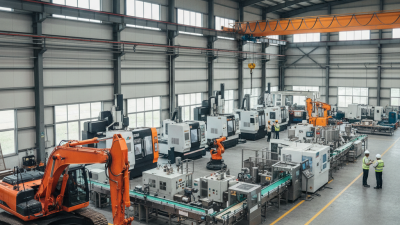
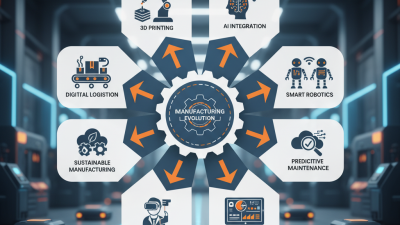
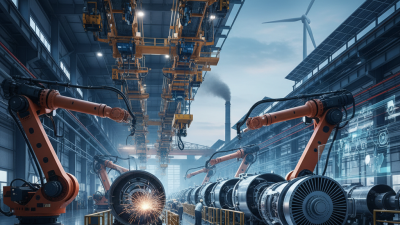
Industrial machinery is the physical backbone of modern production, from CNC mills and conveyors to pumps, presses, and robots. It converts energy, materials, and programmed instructions into repeatable movement, pressure, heat, cutting, or assembly. A steel press demonstrates the principle: a motor drives a hydraulic system, transferring controlled force through a moving ram. Sensors monitor position, temperature, vibration, and load. Controllers then adjust performance within milliseconds. That is the theory. In a real factory, dust, worn bearings, poor lubrication, and operator decisions complicate it.
The International Federation of Robotics reported 541,302 industrial robot installations worldwide in 2023. This figure shows automation’s reach, but it does not measure productivity alone. The International Energy Agency estimates that industry consumes roughly 37% of global final energy demand. Efficiency is therefore an engineering responsibility, not merely a cost-saving slogan. Deloitte’s 2024 Global Manufacturing Industry Outlook identifies connected systems, data, and smart manufacturing investment as major industry priorities. However, reports use different definitions and methods. Forecasts deserve careful reading. This guide explains machine types, core components, operating cycles, controls, maintenance, and safety through practical examples. A conveyor starting under load reveals more than a diagram: torque rises, sensors respond, and control logic prevents damage. Understanding these interactions helps engineers, buyers, and plant teams evaluate capability, reliability, and total operating cost. No machine is perfectly efficient. That limitation matters.
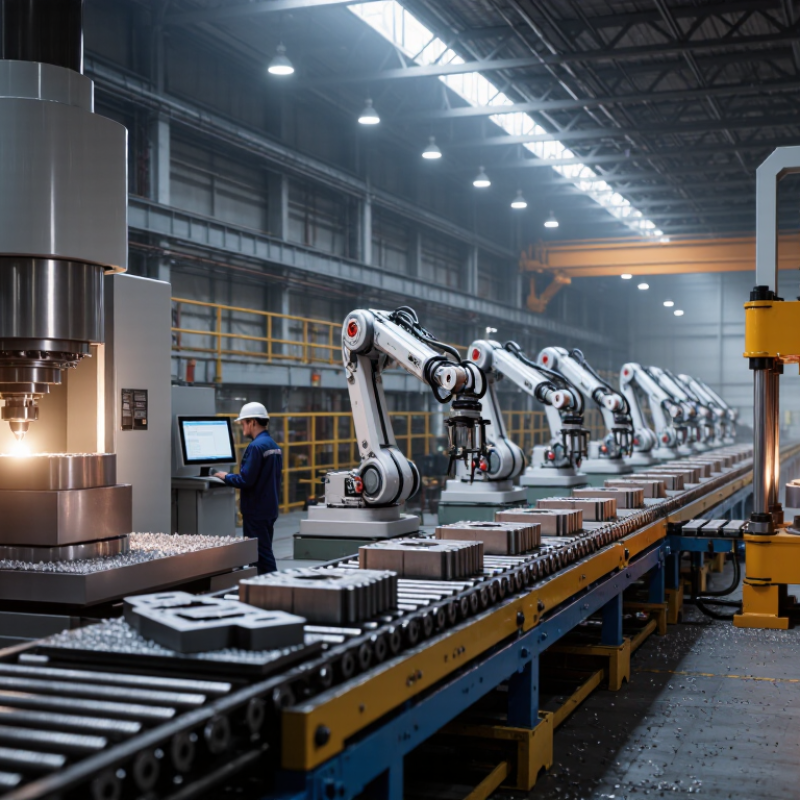
Industrial machinery is the equipment used to transform materials, energy, or information into useful products. It includes cutting systems, pumps, compressors, boilers, conveyors, packaging lines, and industrial robots. The definition is broad because machinery can operate in factories, mines, farms, warehouses, and utility facilities. It is not one machine. It is a connected production system.
Its scope covers mechanical structures, electric motors, hydraulic circuits, sensors, software, and safety controls. A conveyor may move a component, while a sensor checks its position and a controller adjusts speed.
A pump converts motor power into fluid movement through an impeller. These details matter because efficiency, maintenance, and reliability depend on the entire system, not only its largest part. The boundary moves. Some equipment is now partly mechanical and partly digital.
Professional data shows the sector’s scale. The International Federation of Robotics reported 541,302 new industrial robot installations worldwide in 2023, with more than 4.2 million robots operating globally. The International Energy Agency has also reported that industry consumes roughly 37% of global final energy.
These figures explain why industrial machinery is judged by output, energy use, uptime, and worker protection. In practice, however, definitions can overlap. A robotic arm, its control cabinet, and the production line may be counted separately or as one system. That inconsistency deserves attention when comparing market data.
What Is Industrial Machinery and How Does It Work?
Main Components and Power Systems
Industrial machinery converts energy into controlled physical work. A motor provides rotation, while gears, shafts, bearings, and couplings transfer torque. Frames support the load. Sensors monitor temperature, pressure, speed, and vibration. The control system then adjusts operation through programmed signals.
Electric power is common, but it is not the only option. Hydraulic systems use pressurized fluid for lifting, clamping, and forming. Pneumatic systems use compressed air for rapid, lighter movements. Diesel or gas engines may drive equipment where grid electricity is unavailable. Each system creates losses through friction, heat, leakage, or pressure drops. Small faults matter.
The International Energy Agency reported that industry used about 37% of global final energy in 2022. That figure explains why power-system design deserves careful attention. The U.S. Department of Energy also identifies motor-driven systems as major industrial electricity users. Efficient motors help, but correct sizing often matters more. An oversized motor can run inefficiently under light loads. A clogged filter can force a compressor to work harder. I have seen maintenance teams trust dashboard readings too quickly. Measurements should be checked against field conditions. A warm bearing, unusual noise, or fluctuating pressure may reveal what software misses. Reliability improves when operators combine technical data with practical observation.
Industrial machinery refers to powered equipment that performs physical work in factories, warehouses, farms, construction sites, and processing facilities. These machines convert energy into controlled movement, pressure, heat, or cutting force. A motor may turn a shaft, while gears adjust speed and torque. Hydraulic systems can then push a heavy load with steady force.
Industrial machines perform work through coordinated systems. Sensors measure temperature, position, speed, or pressure. Controllers compare those readings with programmed limits. Actuators respond by moving valves, belts, arms, or tools. For example, a packaging machine may detect an empty container, fill it to a measured level, seal it, and transfer it along a conveyor. Timing matters. A small delay can cause jams, spills, or damaged products.
Power alone is not enough. Good performance depends on alignment, lubrication, calibration, and operator training. During maintenance inspections, technicians may find metal dust near a bearing or unusual vibration in a rotating assembly. These details often reveal wear before a breakdown occurs. I have found that clean components do not always mean healthy equipment. Hidden heat and weak electrical connections can remain unnoticed. Machines also make mistakes when settings are copied without checking the material, load, or working environment. Reliable operation requires records, repeated testing, and a willingness to question normal-looking results.
Industrial machinery is best understood by function, not appearance.
Each system transforms energy into controlled physical work. Material-handling equipment moves raw materials through conveyors, hoists, pumps, and automated storage systems. Processing equipment changes material properties. Examples include cutting machines, presses, mills, mixers, and heat-treatment units. Joining machines connect components through welding, fastening, or bonding. Inspection equipment uses cameras, gauges, and sensors to detect size, surface, or alignment errors. Packaging machinery then fills, seals, labels, and counts finished goods.
Most machines follow the same operating logic.
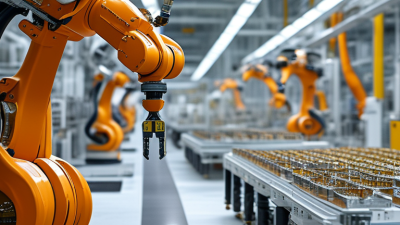
A motor, hydraulic circuit, or pneumatic system supplies force. Gears, belts, screws, and cylinders transfer that force. Sensors measure speed, pressure, temperature, or position. A programmable controller compares these readings with preset limits and adjusts the process. Industrial robots illustrate this development. The International Federation of Robotics reported 541,302 industrial robot installations worldwide in 2023. That figure shows growing automation, but automation still depends on careful calibration and maintenance.
Efficiency is not only about faster production.
Industry consumed about 37% of global final energy in 2022, according to the International Energy Agency’s Energy Efficiency 2023 report. Poorly aligned shafts, leaking air lines, and overloaded motors waste measurable energy. A clean control screen can still hide mechanical wear. In practice, operators should inspect vibration, noise, heat, and product defects together. The classification remains useful, although one machine may perform several functions. Real factories are less tidy than diagrams.
Industrial machinery includes equipment such as presses, conveyors, pumps, and automated cutting systems. These machines convert energy into controlled movement, lifting, shaping, or processing. Their safe operation depends on more than strong components. Guards, emergency stops, sensors, and clear operating procedures must work together. A loose guard or confusing control panel can create serious risk within seconds.
Maintenance protects both people and production efficiency. Operators should inspect cables, fasteners, lubrication points, and unusual sounds before each shift. Technicians can use vibration checks, temperature readings, and maintenance records to identify early wear. Replace damaged parts promptly. Small faults rarely stay small. Clean work areas also reduce slipping hazards and prevent dust from entering sensitive mechanisms. However, inspection records are sometimes incomplete, especially during busy shifts. That weakness deserves honest review, not blame.
Tips: Keep a visible pre-start checklist near the controls. Train workers to stop equipment when conditions change. Schedule maintenance according to usage, not only calendar dates. Measure downtime, energy use, and repeated faults monthly. Efficient operation requires realistic targets, steady monitoring, and careful adjustments. A faster machine is not always a better machine. If a setting increases output but causes overheating, noise, or operator fatigue, the process needs reconsideration. Reliable results come from disciplined habits, qualified supervision, and evidence gathered from the equipment itself.
The chart shows commonly used world-class manufacturing benchmarks. Availability measures uptime, performance measures production speed against the designed rate, and quality measures the percentage of products made without defects. Together, these factors produce Overall Equipment Effectiveness (OEE): 90% × 95% × 99% ≈ 85%.
Arsun Engineers is the well-known manufacturer, exporter, and supplier of highly operational machines.