10 Best Industrial Machinery Innovations Transforming Manufacturing Today?
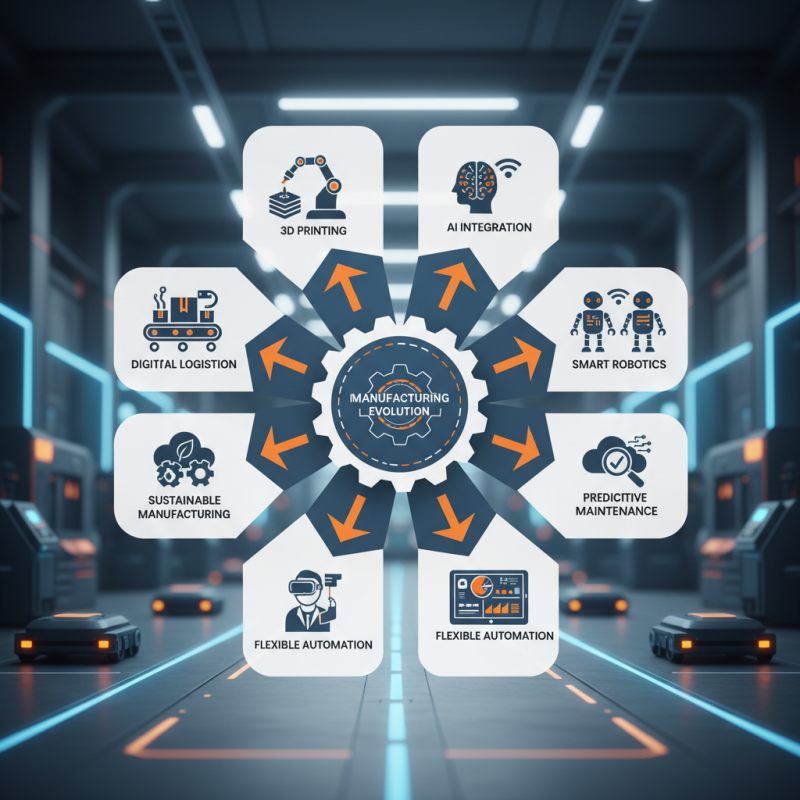
The manufacturing landscape is rapidly evolving, driven by cutting-edge innovations in industrial machinery. Experts like Dr. Alex Thompson, a leading authority in mechanics, emphasize, "The evolution of industrial machinery redefines efficiency and productivity." Innovations such as 3D printing, AI integration, and smart robotics are reshaping factories worldwide.
Today, industrial machinery is more intelligent and adaptive than ever. With new technologies, companies can reduce waste and optimize resources. Yet, there are challenges. Not every innovation is seamlessly integrated. Some establishments still rely on outdated systems. The gap between old and new machinery can hinder overall progress in the manufacturing sector.
Reflections on these advancements reveal a complex relationship with technology. As we embrace change, it's essential to address potential pitfalls. Old habits may slow adoption. The journey toward modern manufacturing demands continuous learning and adaptation. Industrial machinery is at the forefront of this transformation, offering unprecedented opportunities for growth.
Emerging Trends in Industrial Machinery Innovations
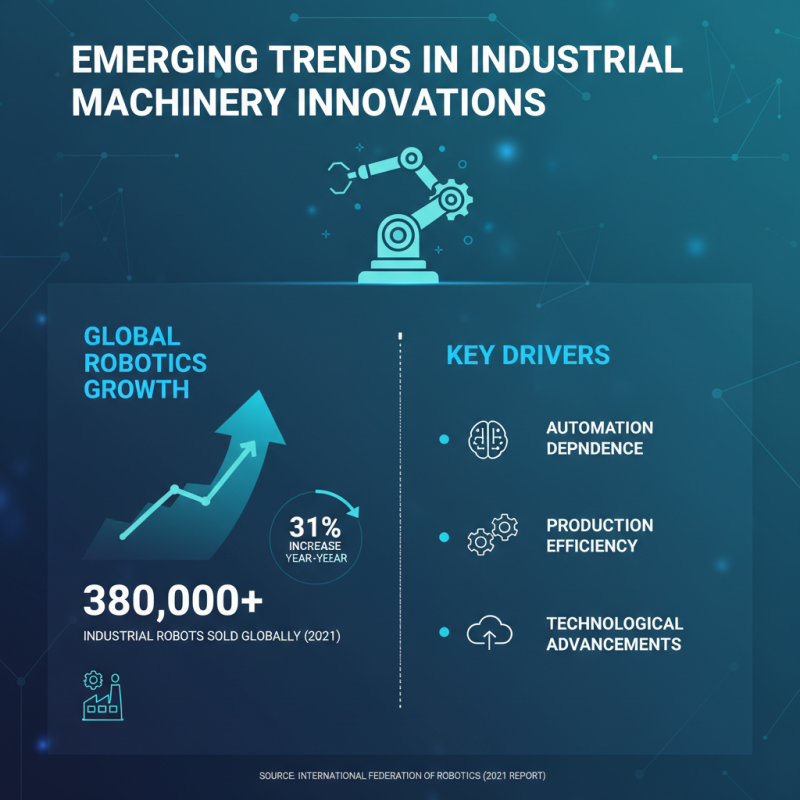
The manufacturing landscape is rapidly evolving due to advancements in industrial machinery. Data from a recent report by the International Federation of Robotics indicates that global sales of industrial robots reached over 380,000 units in 2021. This marks a significant growth of 31% compared to the previous year. Such growth highlights the increasing reliance on automation in production processes.
Emerging trends indicate a shift toward smart manufacturing. Industry 4.0 technologies, including the Internet of Things (IoT) and artificial intelligence, are transforming operations. According to a McKinsey report, companies adopting these technologies can increase productivity by 20-30%. However, integrating these advanced systems is not without challenges. Skills gaps in the workforce persist, and many companies struggle with implementation.
Sustainability is another critical focus. Many manufacturers are exploring eco-friendly machinery options. A study by the World Economic Forum found that 85% of manufacturing leaders prioritize sustainability in their operations. Yet, this transition demands investment and significant changes in supply chain processes, which may hinder immediate results. Balancing innovation with operational capabilities remains a critical reflection point for the industry.
Automation Technologies Revolutionizing Manufacturing Processes
In today's manufacturing landscape, automation technologies are driving significant changes.
Robots and AI systems are streamlining production processes. They handle repetitive tasks, leading to increased efficiency.
However, the implementation of these technologies requires careful planning. Companies must assess how to integrate automation without disrupting current workflows.
This challenge can lead to initial delays and setbacks.
Machine learning algorithms are also evolving rapidly. They analyze data to optimize operations and predict maintenance needs.
This predictive capability can reduce downtime significantly. Yet, relying solely on algorithms has its pitfalls.
Technical glitches or data inaccuracies can lead to incorrect predictions. Companies need to find the right balance between human and machine input.
Additionally, collaborative robots, or cobots, are making their mark. They work alongside human operators, enhancing productivity.
This setup fosters a more adaptable workforce. Still, the transition to a more automated environment can create uncertainty.
Workers may fear job displacement. Addressing these concerns is crucial for a smooth integration process.
Innovation must be accompanied by robust training and support programs.
Smart Robotics Enhancing Efficiency and Precision in Production
Smart robotics are revolutionizing the manufacturing sector today. These advanced systems increase efficiency and precision across various production lines. Robots equipped with AI algorithms can adapt to changing demands. They facilitate quicker turnaround times, which is essential in today’s fast-paced market. The incorporation of sensors and data analytics ensures these machines operate at peak performance.
Using smart robotics does present challenges. Some workers may feel threatened by automation. Additionally, the initial costs of implementing these technologies can be high. However, long-term savings often outweigh the upfront investment. Finding a balance between human skills and robotic efficiency is crucial in this transition.
Tips: Invest in training programs for your workforce. This helps workers adjust to robotic collaboration. Consider gradual implementation to ease changes in your production processes. Monitor performance metrics closely to identify any inefficiencies. These insights can guide future upgrades or modifications.
Advanced Materials Transforming Machine Design and Performance
Advanced materials are revolutionizing industrial machinery and reshaping manufacturing. The use of lightweight composites is a prime example. According to a recent report, these materials can reduce machine weight by up to 30%. With lighter machines, manufacturers achieve fuel efficiency. This change not only cuts costs but also supports sustainability efforts.
Another notable innovation is the integration of smart materials. These materials can react to environmental changes, enhancing machine performance. For instance, self-healing materials are gaining traction in equipment design. They can automatically repair minor damages, reducing downtime. A study indicated maintenance costs could drop by 40% with this technology.
However, challenges remain. The transition to advanced materials often demands a rethink of design processes. Many manufacturers face a skills gap. A survey revealed that 70% of firms struggle to find workers proficient in new material technologies. Addressing this gap is crucial for having a competitive edge in the evolving landscape. These innovations hold promise, but the path to implementation requires careful planning and investment.
10 Best Industrial Machinery Innovations Transforming Manufacturing Today
| Innovation |
Description |
Impact on Manufacturing |
Implementation Year |
| 3D Printing |
Additive manufacturing technology enabling rapid prototyping. |
Reduces material waste and production time. |
2010 |
| Artificial Intelligence |
AI-powered systems for predictive maintenance and quality control. |
Enhances efficiency and reduces downtime. |
2015 |
| IoT Sensors |
Internet of Things devices monitoring machine performance in real-time. |
Facilitates data-driven decision making. |
2018 |
| Robotics Automation |
Use of robots for repetitive tasks, increasing consistency. |
Improves productivity and precision. |
2012 |
| Advanced Materials |
Materials like carbon fiber and composites that enhance durability. |
Allows for lighter and stronger machinery. |
2016 |
| Digital Twins |
Virtual replicas of physical machines used for simulation. |
Enhanced design processes and maintenance strategies. |
2019 |
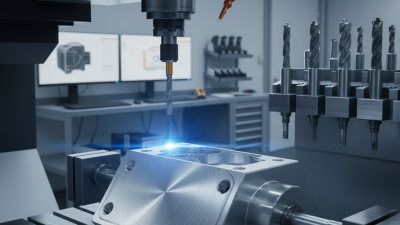
| CNC Machining |
Computer Numerical Control for precision manufacturing. |
Increases accuracy while reducing human error. |
2000 |
| Augmented Reality |
AR for training and maintenance support in machinery operation. |
Improves training efficiency and reduces onboarding time. |
2020 |
| Blockchain for Supply Chain |
Blockchain technology for enhanced traceability of materials. |
Increases transparency and reduces fraud. |
2021 |
Sustainability Practices in Industrial Machinery Development
Sustainability is becoming central to industrial machinery development. Many manufacturers are rethinking traditional practices. They now prioritize eco-friendly materials and energy-efficient processes. This shift reflects a growing awareness of environmental impact.
Innovations in technology play a key role in this transformation. For instance, machinery that reduces waste during production is gaining traction. Implementing automation can cut down energy use significantly. Companies are adopting practices like recycling materials. However, not all industries are adapting at the same pace. Some still rely heavily on outdated methods, which raises concerns.
A focus on sustainable development can lead to unforeseen challenges. Supply chains must be carefully managed to ensure that sustainable resources are available. There are limits to current technology that can hinder progress. Balancing efficiency and sustainability often remains a complex task. However, overall, the trend toward greener practices shows promising potential. Each step forward indicates a commitment to creating a better future.