Top CNC Engraving Machines for Global Buyers
Choosing among the top CNC engraving machines requires more than comparing spindle speeds or advertised prices. Global buyers must examine working dimensions, frame rigidity, control systems, and long-term service support. A compact desktop machine may suit a craft studio, while a reinforced model handles aluminum panels, hardwood signs, or continuous production more confidently. The right choice depends on materials, workload, operator experience, and available floor space.
This guide evaluates CNC engraving equipment through practical buying criteria. We consider cutting accuracy, repeatability, software compatibility, dust collection, noise, maintenance access, and replacement-part availability. These details matter when a machine is installed thousands of miles from its manufacturer. A smooth demonstration is useful. However, it cannot replace verified specifications, customer references, and realistic production tests. Ask for sample engravings on your intended material.
Look closely.
Reliable suppliers should provide clear manuals, training resources, warranty terms, and responsive technical assistance. Buyers should also confirm electrical requirements, shipping conditions, installation responsibilities, and regional safety compliance before ordering. Some machines appear affordable until tooling, freight, software, and maintenance are included. I have found that impressive specifications can hide limitations, especially with thin frames, weak clamps, or poorly supported software. No single CNC engraving machine fits every market. This comparison aims to identify dependable options while acknowledging those compromises, so buyers can select equipment with greater confidence and fewer expensive surprises.
What Is a CNC Engraving Machine?
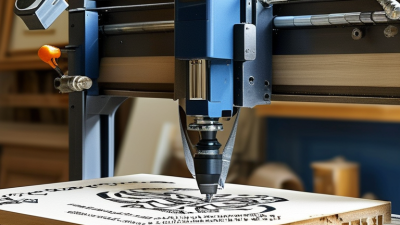
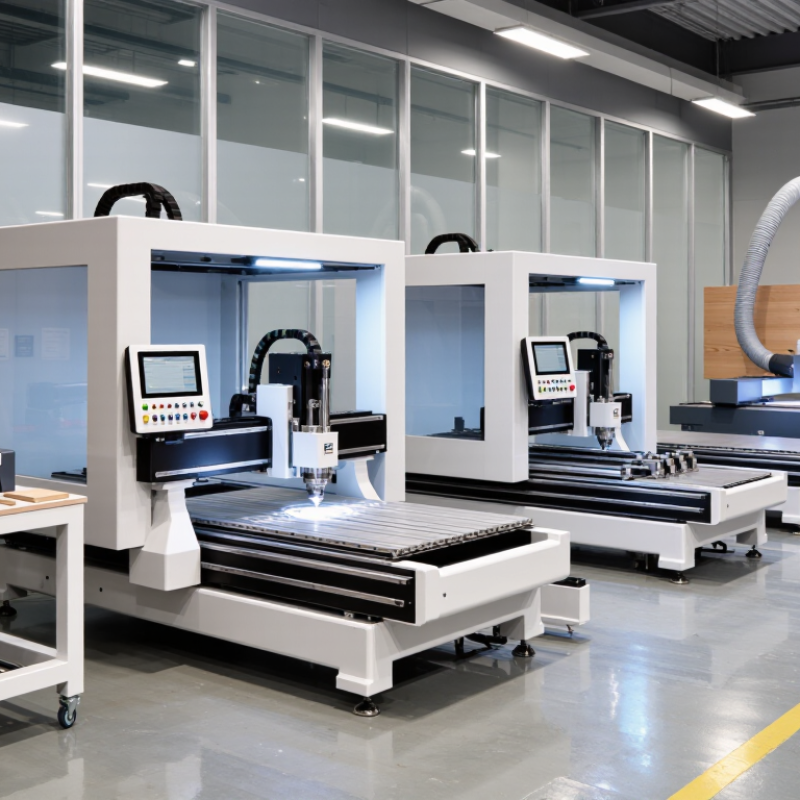
A CNC engraving machine is a computer-controlled cutting system. CNC means computer numerical control. It follows digital instructions, called G-code, to move a spindle along programmed X, Y, and Z axes. The tool removes small amounts of material from wood, acrylic, aluminum, stone, or similar substrates. Some machines use a rotary cutter, while others use a laser or drag knife. These systems are related, but their cutting methods differ.
Grand View Research valued the global CNC machine market at approximately USD 83.99 billion in 2023. It forecasts a 9.5% compound annual growth rate through 2030. MarketsandMarkets estimates growth from USD 88.4 billion in 2024 to USD 112.3 billion by 2029. These figures cover wider CNC equipment, not engraving machines alone. That scope difference matters. Buyers should not treat broad market data as a guarantee of engraving demand.
In practical use, engraving quality depends on spindle speed, feed rate, cutter diameter, material hardness, and machine rigidity. A 0.1-millimeter depth error can blur fine lettering. Dust collection also affects visibility and maintenance. ISO 230-1 provides methods for evaluating machine-tool geometric accuracy, although workshop results may vary. I have found that advertised precision often assumes ideal calibration and stable temperature. Real production includes vibration, tool wear, and imperfect stock. Test a small sample first. The best machine is not always the fastest; it should match the material, workload, operator skill, and required detail.
How CNC Engraving Machines Work
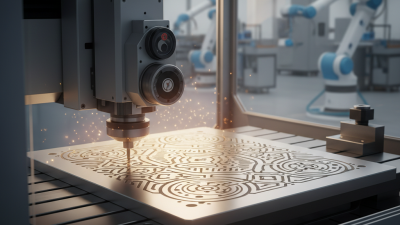
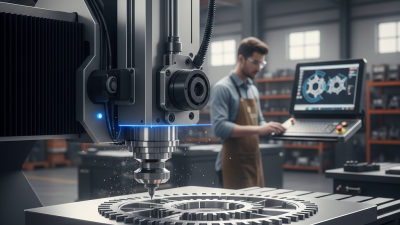
A CNC engraving machine converts a digital drawing into controlled movement. The operator creates geometry in CAD software, then prepares toolpaths in CAM software. The controller translates those paths into G-code. This code directs the spindle, feed rate, depth, and axis movement.
The workpiece is fixed firmly on the table. A probing routine or edge finder establishes the machine’s zero point. The spindle then rotates a cutting tool, while motors move along the X, Y, and Z axes. Each pass removes a thin layer of material. Cutting depth, tool diameter, spindle speed, and feed rate must match the material. Wood tolerates different settings than aluminum or acrylic. Small errors multiply.
The machine is precise, not intelligent. A wrong origin can damage the workpiece within seconds. I treat simulation as a rehearsal, not proof. Chips can clog a narrow flute, and excessive heat can soften plastic. Practical checks still matter: verify clamping, inspect the tool, dry-run the program, and measure the first engraving.
Grand View Research estimates the global CNC machine market reached about USD 83.6 billion in 2023, with continued growth projected through 2030. That expansion reflects wider automated machining adoption, but market growth does not guarantee equal machine quality. ISO 230-2 provides methods for evaluating positioning accuracy and repeatability. Buyers should request test results, controller specifications, spindle data, and service records. The cut begins there.
Key Features Global Buyers Should Compare
Top CNC Engraving Machines for Global Buyers
Key Features Global Buyers Should Compare
Global buyers should compare working area, spindle power, motion accuracy, and material compatibility. A larger bed suits signs and panels, while a compact frame fits small workshops. Check the stated cutting depth against your actual materials. Product specifications can look impressive, but practical results may differ.
Accuracy depends on the frame, guide system, drive components, and software control. Ask for repeatability data, not only resolution figures. Test samples should show clean edges, consistent lettering, and limited vibration. I once focused too heavily on spindle speed and underestimated frame stiffness. That mistake produced rough corners during long engraving jobs.
Safety features deserve equal attention. Look for enclosure options, emergency stops, dust management, and clear operating instructions. Confirm electrical requirements before shipping across borders. Voltage, plug standards, and certification documents may affect installation. Reliable technical support also matters. Check response times, spare-part availability, training materials, and warranty terms. Keep records. They help when troubleshooting later.
Software compatibility can reduce setup time. Confirm file formats, toolpath controls, language options, and offline operation. Noise levels and maintenance needs should also enter the comparison. A machine may perform well but demand frequent alignment. That is easy to overlook. Buyers should request demonstration videos, sample results, and service policies before making a final decision.
Top CNC Engraving Machine Types by Application
Top CNC Engraving Machines for Global Buyers
Top CNC Engraving Machine Types by Application
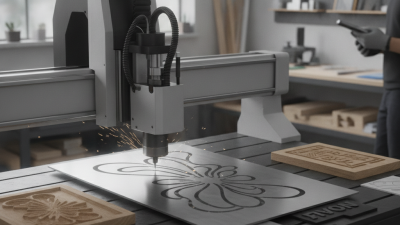
CNC engraving machines should match the material, detail level, and production rhythm. For wood signs, furniture panels, and plastic displays, router-style machines offer wide beds and fast cutting. For aluminum plates, brass tags, and steel components, rigid milling engravers provide better stability. Small rotary machines suit jewelry and cylindrical parts, but their working areas remain limited. Small is not always efficient.
Grand View Research estimated the global CNC machine market at approximately USD 88 billion in 2023, with continued growth through 2030. This expansion reflects demand from automotive, electronics, furniture, and general manufacturing. Industry buyers should still separate engraving capacity from full machining capability. A machine may produce clean lettering but struggle with deep metal cuts. That detail is easy to miss.
Tips: Check spindle speed, axis accuracy, bed size, dust control, and software compatibility. Ask for test samples using your actual material. For stone and glass, prioritize cooling and vibration control. For PCB or plastic work, choose precise motion and low runout. ISO 230-2 testing practices can help verify positioning accuracy, although real workshop conditions may produce different results. Review maintenance access, operator training, and local electrical requirements before ordering. The perfect specification sheet does not guarantee perfect production.