What is CNC Engraving and How Can It Benefit Your Business?
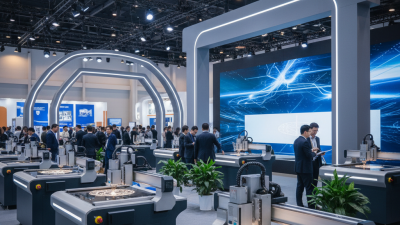
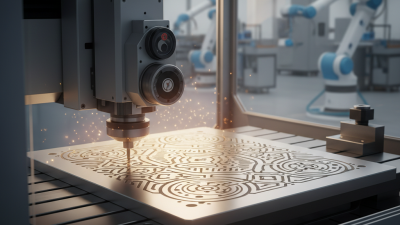
CNC engraving has revolutionized the way businesses approach customization. With advanced technology, companies can produce intricate designs with precision. This capability not only enhances product appeal but also allows for unique branding opportunities.
Engraving using CNC machines offers speed and consistency that handcrafting cannot match. This method can significantly reduce production times and labor costs. Yet, businesses must remain vigilant. Over-reliance on automation may lead to a lack of artistry in certain designs. Balancing technology with creativity is essential.
Understanding how CNC engraving works can also empower businesses to choose the right materials and designs. Each project needs careful planning. The potential for mistakes is always there, demanding ongoing evaluation of techniques. Engaging with experts in the field can mitigate these challenges, ensuring a smoother process and better results.
What Is CNC Engraving and Its Historical Development in Manufacturing?
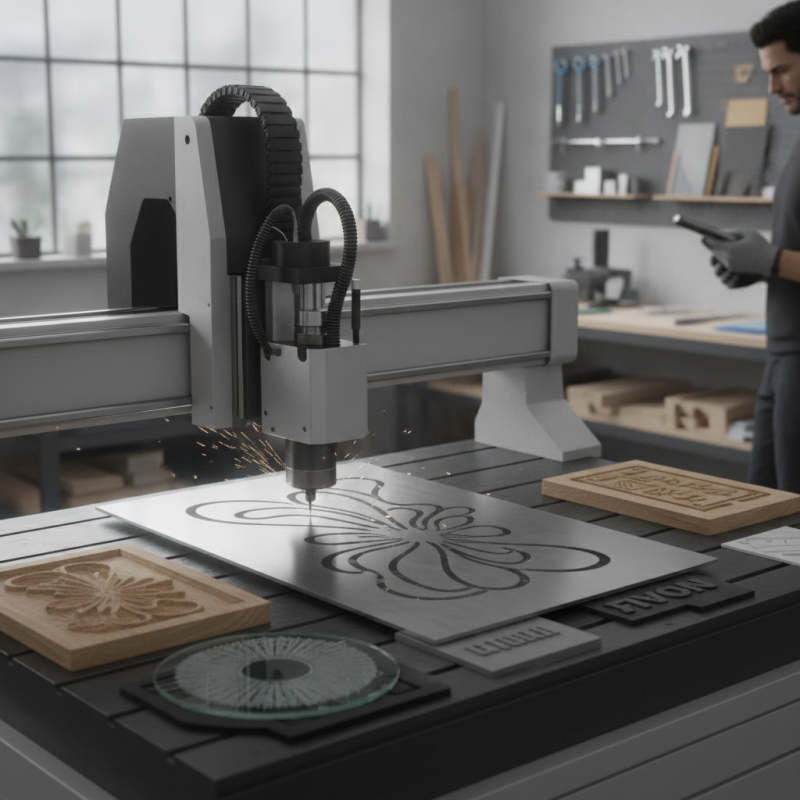
CNC engraving has a rich history, deeply rooted in the evolution of manufacturing practices. It began as a manual process, where artisans painstakingly carved designs into materials by hand. This method was time-consuming and required immense skill. With the advent of computers in the late 20th century, the introduction of CNC (Computer Numerical Control) technology revolutionized this craft. The transition allowed precise designs to be produced more quickly and with minimal human error.
The benefits of CNC engraving extend far beyond efficiency. It enables intricate designs that were once impossible with manual methods. Manufacturers gain the ability to customize products according to specific client requests. This responsiveness fosters customer satisfaction; however, it also raises expectations. When clients see the capabilities of CNC technology, they may expect perfection every time. Meeting these high standards can be challenging and may require ongoing adjustments in production processes.
While CNC engraving offers notable advancements, it presents challenges. Over-reliance on technology may erode traditional craftsmanship skills. There is a risk of losing the personal touch that handcrafted items provide. Businesses must find a balance, integrating CNC technology while still valuing artisan skills. This reflection may lead to a deeper understanding of what consumers truly value in their products.
CNC Engraving Technologies: Growth Over the Years
Key Technologies and Machinery Involved in CNC Engraving Processes
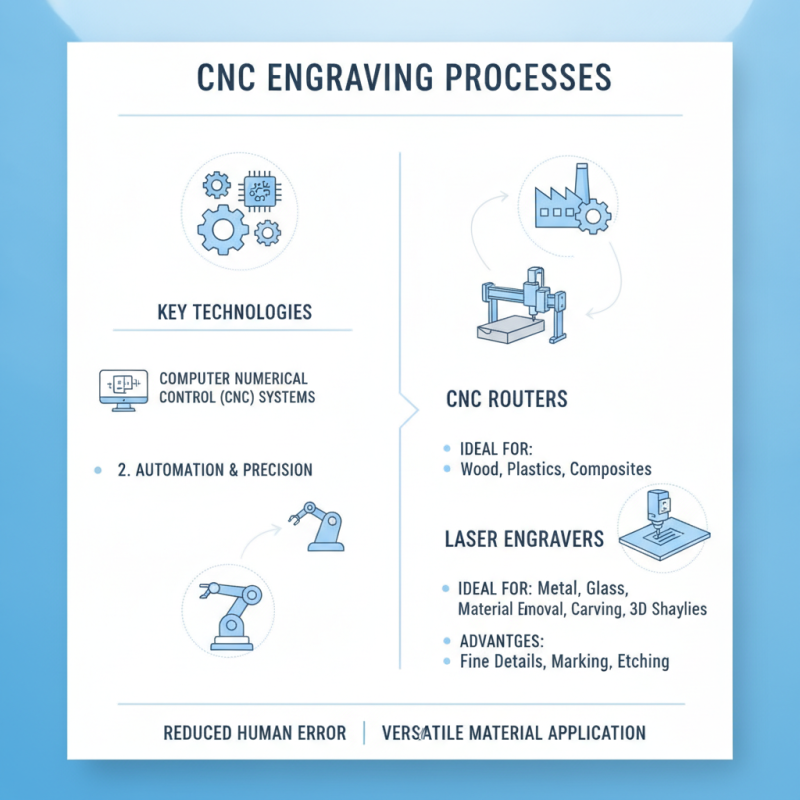
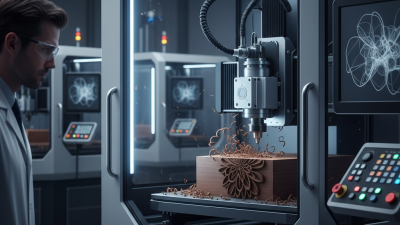
CNC engraving utilizes advanced technologies and machinery to create precise designs on various materials. This process relies heavily on computer numerical control (CNC) systems, which automate the engraving task, reducing human error. The central components involved include CNC routers and laser engravers, each offering unique advantages. For example, routers are excellent for wood and plastic, while lasers deliver fine details on metal and glass surfaces.
Exploring CNC engraving reveals an intricate dance of technology. The software used guides the machine, dictating the design with high precision. Operators must understand both the software and the machinery. Common mistakes include misprogramming the design or using inappropriate materials, which can lead to wasted resources. Over time, gaining experience helps alleviate these issues, enhancing the engraving quality.
Precision is vital, yet not always achievable on the first attempt. Factors such as material density and machine calibration often affect outcomes. Frequent adjustments and learning through mistakes are essential. This iterative process can challenge and frustrate operators, but with persistence comes expertise. CNC engraving is a powerful tool when approached with a willingness to learn and adapt.
Industry Applications: How Businesses Deploy CNC Engraving for Efficiency
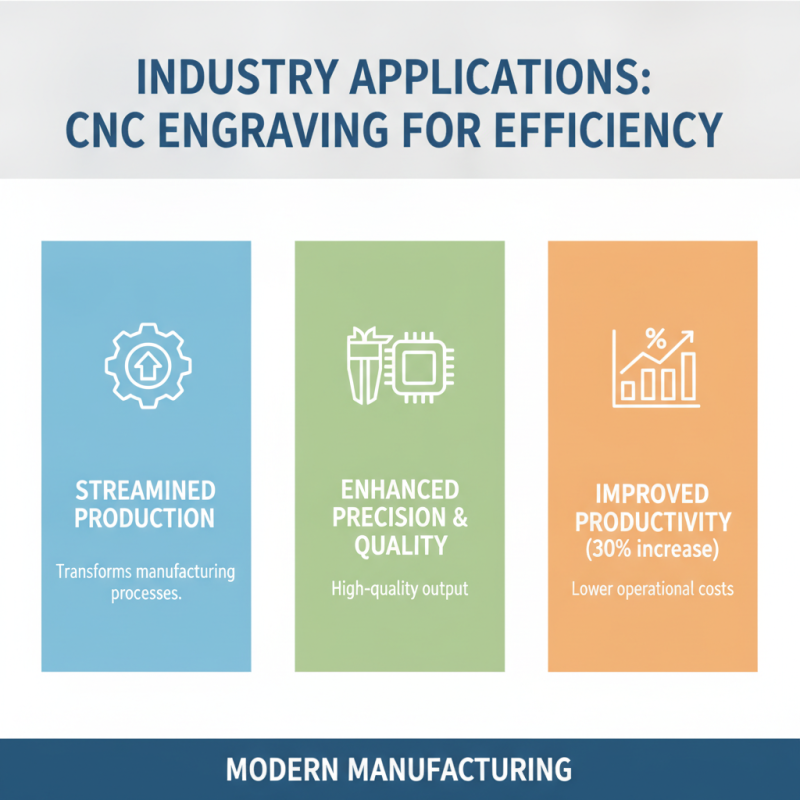
CNC engraving is transforming industries by streamlining production processes. Manufacturers are integrating CNC technology to enhance precision and efficiency. According to recent data, about 30% of manufacturers report improved productivity after adopting CNC engraving methods. This modernization permits high-quality output at a lower cost.
In jewelry and metal industries, CNC engraving provides unique customization options. The personalization trend is on the rise. Surveys indicate that 72% of consumers are more likely to purchase customized products. Utilizing CNC allows businesses to meet these demands swiftly while maintaining accuracy. However, transitioning to CNC machinery isn't always seamless. Companies often face a learning curve when training staff.
In the woodworking sector, CNC engraving is equally impactful. It enables intricate designs that were once time-consuming. Research suggests that 40% of woodworking businesses saw significant growth in customer satisfaction after implementing this technology. Still, investing in CNC equipment requires careful planning and consideration of costs and training needs.
Cost-Benefit Analysis: CNC Engraving vs. Traditional Engraving Methods
CNC engraving offers numerous benefits over traditional methods, particularly when evaluating costs and efficiency. A 2021 industry report indicated that CNC machines can be up to 80% faster than manual engraving methods. This speed not only increases output, but also allows for quicker project turnaround times. Businesses can meet tight deadlines more effectively, enhancing customer satisfaction.
Traditionally, engraving involves significant labor costs and a steep learning curve. Labor-intensive processes often lead to inconsistency in quality. In contrast, CNC engraving guarantees precision and repeatability. A study by the Institute of Advanced Manufacturing Technology revealed that companies adopting CNC technology reduced material waste by up to 30%. This reduction translates into direct cost savings.
However, the initial investment in CNC machinery can be daunting. Some businesses may hesitate due to high startup costs. Despite this, the long-term benefits often outweigh these challenges. A cheaper, outdated method may seem appealing, but quality issues can lead to customer dissatisfaction and lost sales. Therefore, examining the overall cost-benefit ratio is crucial. Transitioning to CNC engraving can seem complicated, yet it offers undeniable advantages that can propel a business forward.
What is CNC Engraving and How Can It Benefit Your Business? - Cost-Benefit Analysis: CNC Engraving vs. Traditional Engraving Methods
| Criteria |
CNC Engraving |
Traditional Engraving |
| Production Speed |
High-Speed Processing |
Slower Processing |
| Precision |
High Precision (+/- 0.01 mm) |
Lower Precision (+/- 0.1 mm) |
| Material Versatility |
Wide Range (Wood, Metal, Plastic) |
Limited (Mostly Wood and Metal) |
| Setup Time |
Minimal Setup |
Longer Setup |
| Cost Efficiency |
Cost-Effective for Production Runs |
Higher Costs for Small Batches |
| Training Requirements |
Moderate (Software & Equipment) |
Low (Basic Skills) |
| Worker Safety |
Higher Safety Standards |
Variable Safety Standards |
Future Trends: Innovations in CNC Engraving and Their Business Impact
CNC engraving is evolving at a rapid pace, integrating advanced technologies that can revolutionize how businesses operate. Recent innovations like AI-driven design software are streamlining the engraving process, enabling faster production times. Machine learning can help predict material behavior, allowing for more precise engravings. This precision reduces waste and increases efficiency—important factors in today’s competitive market.
Companies leveraging these advancements can create customized products quickly. Personalized items attract customers, fostering brand loyalty. However, businesses must also reflect on the potential technical challenges. Investing in new technology requires training and adaptation. Missteps may occur, leading to initial slowdowns. It’s crucial to balance innovation with practical implementation.
As CNC engraving becomes more accessible, even small businesses can harness these tools. Yet, they need to stay informed about industry trends. Neglecting this could mean missing opportunities. Continuous learning and adaptation will be necessary to fully benefit from CNC engraving innovations. In this ever-changing landscape, the key lies in staying proactive and open to new ideas.