Top 10 Well Drilling Machines in China You Should Know?
In recent years, the demand for well drilling machines has surged in China. This growth reflects the country's rapid industrialization and increased water management needs. However, choosing the right well drilling machine can be daunting for many. With numerous options available, understanding the features and capabilities of each machine is critical.
The top well drilling machines in China showcase advanced technology and varied applications. These machines range from small portable units to large, heavy-duty equipment. Each model has unique strengths, focusing on diverse drilling conditions. Contractors and professionals must assess their specific needs before investing.
Nevertheless, it’s essential to remember that not every machine is perfect. Different projects may highlight flaws or limitations of a particular model. Evaluating real-world performance and customer feedback will aid in making an informed decision. This article aims to highlight the top 10 well drilling machines currently in the market, providing insights for potential buyers.
Overview of Well Drilling in China: Market Trends and Growth Statistics
China has witnessed significant growth in the well drilling sector. The surge in demand for water and energy resources drives innovations in drilling technology. In recent years, the market has shown a steady increase in both the number of new drilling projects and the scale of operations. This uptick presents opportunities and challenges for industry players.
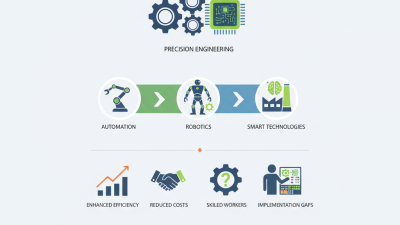
Market trends indicate a shift towards more efficient and environmentally friendly drilling practices. Companies are adopting advanced technologies, like automated systems and data analytics, to enhance their performance. However, the reliance on new technology raises concerns about reliability and the need for skilled personnel. Inadequate training can lead to operational inefficiencies and safety risks.
Despite the rapid expansion, the drilling industry faces obstacles. Resource availability and regulatory compliance are critical issues. Companies must navigate complex regulations while striving for growth. Many firms are also exploring new drilling techniques to improve productivity. The competition is fierce, and continuous adaptation is essential for long-term success.
Top 10 Well Drilling Machines: Features and Technical Specifications
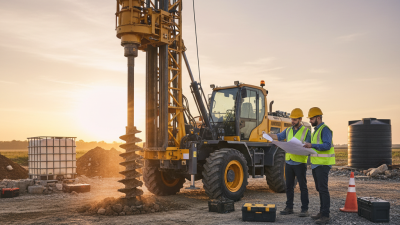
Well drilling machines play a crucial role in extracting groundwater, essential for agriculture and daily living. These machines come in various types, each designed for specific conditions and requirements. A key feature to consider is the drilling depth capability. Some machines can reach depths of over 300 meters, suitable for more challenging terrains. Others are designed for shallow well drilling, making them ideal for residential use.
Another important characteristic is the type of drill bit used. Rotary, tricone, and hammer bits serve different purposes. For softer ground, rotary bits are effective. In harder rock formations, tricone bits perform better. Moreover, the weight of the machine influences mobility. Lighter models are easier to transport but may lack power.
Hydraulic systems are becoming more common, offering efficiency and ease of operation. However, maintaining these systems can be complex and may lead to unexpected issues. It's essential to regularly check seals and hoses to prevent leaks. Operators should also be aware of the noise level. Some machines are quieter than others, which can matter in residential areas. Understanding these features ensures that the right machine is chosen for the task at hand.
Comparison of Drilling Depth and Efficiency Among Leading Machines
When considering well drilling machines, drilling depth and efficiency are critical factors. Many leading machines in China showcase impressive capabilities. These machines vary widely in their specifications and performance. Some are designed for shallower depths but excel in speed. Others can reach remarkable depths but may require more time and resources.
Efficiency is often a trade-off. A machine with exceptional depth capabilities might sacrifice speed. Conversely, quicker models may not penetrate as deeply. It’s essential to match the right machine to the specific project needs. For example, a site with hard rock conditions may require a robust drilling machine to achieve the desired depth efficiently.
It’s also important to consider maintenance and operational costs. A machine that drills deeply yet frequently requires repairs can increase overall project expenses. Evaluating each machine's reliability ensures long-term operation without interruptions. Users should always reflect on their priorities when choosing machinery.
Balancing depth, efficiency, and total cost is crucial for successful drilling operations.
Environmental Impact and Safety Standards in Well Drilling Equipment
Well drilling is a vital process, essential for water, oil, and gas extraction. However, it comes with environmental considerations. Operators must adhere to stringent safety standards. This ensures the protection of ecosystems and communities.
In China, a recent report highlighted that improper drilling can lead to groundwater contamination. Research indicates that 25% of drilling sites reported some form of pollution. This has sparked debates about regulatory practices. Many drilling companies are now investing in better equipment and training to minimize harmful impacts.
Moreover, effective waste management is crucial. During drilling, substantial waste is generated. A study found that about 60% of waste remains untreated, posing risks to local water sources. Companies are called to innovate in waste disposal methods. The focus on reducing ecological footprints is more critical than ever. Adaptations in technology and adherence to safety protocols can lead to improved sustainability in the industry.
Top 10 Well Drilling Machines in China You Should Know
| Machine Type |
Depth Capacity (meters) |
Weight (kg) |
Power Source |
Environmental Standards |
| Rotary Drilling Rig |
1000 |
20000 |
Diesel |
ISO 14001 |
| Auger Drill |
300 |
8000 |
Electric |
CE Certification |
| HDD Drill |
600 |
15000 |
Hydraulic |
EN ISO 9001 |
| Cable Tool Rig |
500 |
12000 |
Diesel |
ISO 14001 |
| DTH Drill |
800 |
18000 |
Compressed Air |
ISO 14001 |
| Continuous Flight Auger |
400 |
6000 |
Electric |
CE Certification |
| Mini Drill Rig |
250 |
2500 |
Electric |
ISO 9001 |
| Directional Drilling Rig |
700 |
14000 |
Diesel |
ISO 14001 |
| Well Point System |
200 |
5000 |
Hydraulic |
EN ISO 9001 |
| Geotechnical Drill |
950 |
21000 |
Diesel |
ISO 14001 |
Future Innovations in Well Drilling Technology and Their Industry Implications
In recent years, well drilling technology has evolved rapidly. Innovations focus on efficiency, sustainability, and safety. These advancements are not just reshaping the industry but also enhancing environmental protection.
One significant trend is the use of automation in drilling rigs. This reduces human error and improves safety for operators. Automated systems can monitor drilling conditions in real-time, allowing for quick adjustments. This is crucial in preventing accidents. However, reliance on technology raises questions about the need for skilled operators.
Tips for industry professionals: Regular training is essential. Stay updated with the latest technologies and methods. Collaborate with engineers to enhance machine performance. Embrace data analytics to optimize drilling processes.
Sustainable practices are becoming a priority. Companies are researching eco-friendly drilling fluids and methods. This shift could minimize the ecological impact of drilling activities. Still, the transition requires investment and strategic planning. It's essential to evaluate the long-term benefits versus short-term costs.
Adopting new technologies can be a double-edged sword. Some companies may face challenges in integrating these innovations. Resistance to change is common in traditional sectors. Open discussions about potential pitfalls can foster a more adaptable mindset.
Top 10 Well Drilling Machines in China - Performance Overview