How to Choose the Right Precision Engineering Supplier?
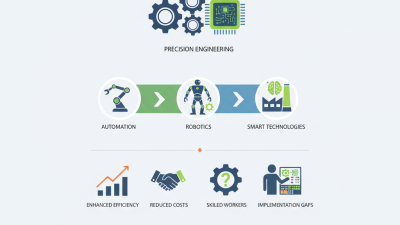
Selecting the right precision engineering supplier is crucial for any business involved in manufacturing. Precision engineering plays a key role in enhancing product quality and performance. A reliable supplier can significantly impact your project’s success.
In this competitive landscape, it is essential to evaluate your options carefully. Not all suppliers are created equal. Understanding the specific capabilities of each contender can save time and resources. Look for a supplier with proven expertise in your industry. Their experience can guide you through complex requirements.
Moreover, consider the supplier's communication style and response time. These factors reflect their reliability. A supplier who listens can better address your needs. Keep in mind that not every partnership will be seamless. Challenges may arise, and it's essential to choose a supplier willing to adapt and learn alongside you.
Understanding Your Precision Engineering Needs
Understanding your precision engineering needs is crucial for selecting the right supplier. Many companies overlook the importance of defining their specific requirements. Begin by assessing the complexity of your project. Consider factors like required tolerances and materials. This understanding will guide you in choosing a supplier with relevant expertise.
Think about the production scale you need. Are you looking for prototypes or mass production? Some suppliers excel in small runs, while others focus on large volumes. Reflect on your timelines. Some projects require quick turnaround times, while others may allow for longer lead times. Ensuring your supplier can meet your schedule is vital.
Engage with potential suppliers to discuss your project details. Their responses will reveal their understanding and capabilities. Consider their past projects and customer feedback. However, be cautious of overly polished presentations. Not every supplier will be a perfect fit, and it’s okay if some don’t meet all your expectations. It's important to find someone who aligns closely with your vision and needs, even if they have some shortcomings.
How to Choose the Right Precision Engineering Supplier?
| Criteria |
Importance Level |
Supplier A |
Supplier B |
Supplier C |
| Quality Assurance |
High |
ISO 9001 Certified |
ISO 13485 Certified |
AS9100 Certified |
| Experience in Industry |
Medium |
10 years |
5 years |
15 years |
| Technological Capability |
High |
Advanced CNC Machining |
Laser Cutting Technology |
Robotic Assembly |
| Lead Time |
Medium |
4 weeks |
6 weeks |
3 weeks |
| Customer Service |
High |
24/7 Support |
Business Hours Support |
Online Chat Available |
Evaluating Supplier Experience and Expertise
When evaluating a precision engineering supplier, experience and expertise play crucial roles. A supplier with years in the industry often understands the nuances of engineering challenges. They have faced diverse projects, improving their problem-solving abilities over time. This kind of background can bring valuable insights into your requirements.
Tips: Look for suppliers with relevant project histories. Ask for case studies or examples. A supplier that has successfully delivered similar projects shows capability. Don’t hesitate to inquire about their training and certifications. Such qualifications can indicate a commitment to quality and ongoing improvement.
Consider their specialized skills. Some suppliers excel in specific areas like CNC machining or additive manufacturing. Understanding their strengths can help align their services with your needs. Reflect on whether they have the technology and knowledge needed for your projects. If not, working with them may be inefficient or costly.
Tips: Check reviews and testimonials. They often highlight areas of strength and concern. Be cautious of overly positive feedback; a balanced view provides better insight. Also, maintain open communication to gauge their responsiveness and professionalism. These aspects contribute significantly to a successful partnership.
Assessing Quality Standards and Certifications
When selecting a precision engineering supplier, quality standards and certifications play a vital role. These standards ensure that the products meet industry requirements. Look for suppliers with ISO certifications, as they demonstrate a commitment to quality management. These certifications often indicate that the supplier adheres to rigorous processes and quality control measures.
Inspecting the supplier's track record is essential. Some may claim compliance but lack concrete evidence. Request documentation that verifies their standards. Checking third-party audits can also provide insights into their quality processes. Not all suppliers will have the same level of certification, leading to disparities in product reliability.
Moreover, consider industry-specific certifications relevant to your needs. A supplier catering to aerospace may require different certifications than one serving the automotive sector. Sometimes, suppliers miss the mark on these specs, affecting overall production quality. Never assume that a certificate alone guarantees excellence; thorough evaluation is necessary. A proactive approach to these details is key in ensuring a dependable partnership.
Comparing Cost and Value of Services Offered
When selecting a precision engineering supplier, the cost versus value of services offered is crucial. A recent study by the PMPA found that 70% of companies see reduced costs as vital. However, focusing solely on price can lead to choosing a supplier that lacks quality. For instance, suppliers with advanced technology often charge more. Yet, they deliver better accuracy and durability, justifying the higher cost.
Value can be assessed through on-time delivery rates and customer support. According to a survey by the NAM, firms reporting high customer satisfaction tied it to reliable delivery and responsive communication. Suppliers with strong logistical frameworks can minimize delays. They can optimize production processes, which is a long-term cost saver.
It's also essential to know the supplier's reputation. A company might offer lower prices but have a history of errors. These issues can lead to additional costs down the line, outweighing initial savings. Transparency regarding production methods and material sourcing often indicates reliability. Balancing cost with actual value may require deeper scrutiny of supplier metrics and past performance.
Building a Collaborative Relationship with Suppliers
Building a collaborative relationship with precision engineering suppliers is essential for success.
A study from the Precision Engineering Association found that 70% of companies prioritize strong relationships with their suppliers.
This isn’t just about cost; it’s about partnership. Suppliers who understand your needs can adapt quickly.
They can also recommend innovative solutions that fit your specific challenges.
Effective collaboration involves regular communication. Companies that schedule consistent meetings with suppliers report a 40% increase in project efficiency.
These discussions foster trust and transparency. When suppliers feel valued, they are more likely to invest in your projects.
It’s crucial to set expectations clearly. Misunderstandings can lead to delays, impacting the entire supply chain.
Challenges do arise. Sometimes suppliers may struggle to meet production timelines.
A poorly defined scope of work can contribute to this issue. Keep in mind that building a strong partnership takes time.
Regular feedback can help improve the relationship. A focus on shared goals can lead to mutual growth in today’s competitive market.