What Are the Top 10 Mold Machines for Global Buyers?
Choosing the right mold machine can shape production quality, operating costs, and delivery performance. Global buyers face many options, from compact hydraulic presses to advanced electric systems. Each design suits different materials, mold sizes, cycle times, and factory conditions.
This guide examines ten widely considered mold machine categories for international purchasing decisions. It compares clamping force, injection accuracy, energy use, automation, maintenance access, and after-sales support. A machine producing small medical caps may need clean, repeatable cycles. A supplier making automotive panels may require greater force, larger platens, and stable temperature control. These details matter.
Real purchasing experience shows that specifications alone can mislead. A powerful machine may waste energy in low-volume production. A low-cost model may create delays when spare parts travel across borders. Buyers should inspect sample parts, review test-run records, and confirm service response times. Check the control interface, safety guards, cooling connections, and installation requirements before signing an order.
No ranking can fit every factory. That is a weakness worth admitting. Local electricity quality, technician skills, material availability, and import standards can change the final choice. Reliable suppliers provide transparent data, documented quality checks, training, and practical warranty terms. This overview helps buyers ask sharper questions and compare equipment with greater confidence, not simply chase the lowest quoted price.
Mold Machine Basics and Their Main Industrial Applications
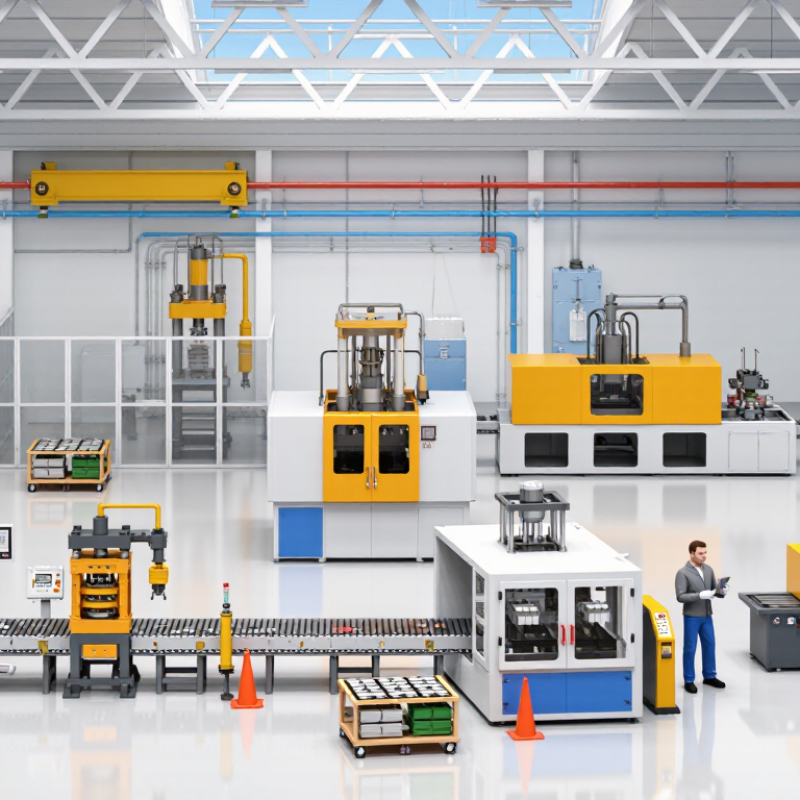
Mold machines shape raw materials under controlled pressure, heat, and timing. Their core systems include clamping, feeding, molding, cooling, and ejection. A machine with stable pressure usually produces fewer dimensional defects. However, “more power” does not always mean better performance.
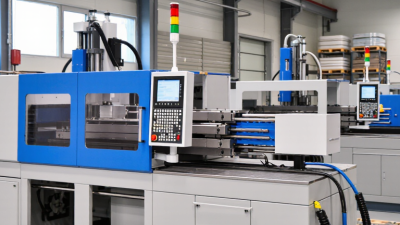
Global buyers commonly compare ten machine types: injection, blow, compression, transfer, extrusion, rotational, thermoforming, die casting, rubber molding, and CNC mold-making equipment. Injection machines suit automotive parts, medical housings, packaging, and household components. Blow machines form bottles and hollow containers. Compression and transfer machines handle rubber, thermosets, and electrical parts. Extrusion systems produce pipes, films, profiles, and sheets. Rotational machines create large tanks and playground products. Thermoforming supports trays and protective packaging. Die-casting equipment serves metal housings and structural components.
Selection should match material, mold size, cycle time, and expected volume. Check clamping force carefully. Excess force can raise energy use and mold wear. Insufficient force may cause flashing along the parting line. Buyers should also examine temperature accuracy, repeatability, service access, safety controls, and spare-part availability. Local voltage and factory conditions matter too. A compact machine may fit a small workshop, but limited cooling capacity can slow production. A cheaper quotation can hide training costs, installation delays, or difficult maintenance. The perfect machine does not exist. A well-documented, serviceable machine often performs better than a larger one chosen only for its specifications.
What Are the Top 10 Mold Machines for Global Buyers?
Mold Machine Basics and Their Main Industrial Applications
The chart compares representative clamping-force ranges commonly used across major injection-molding machine categories. Hydraulic, electric, hybrid, two-platen, vertical, insert, multi-component, PET preform, foam-injection, and thermoset machines serve different production requirements, including packaging, automotive parts, medical products, electronics, and technical components. The ranges are indicative rather than a market ranking.
Key Performance Factors for Comparing Mold Machines Globally
What Are the Top 10 Mold Machines for Global Buyers?
Global buyers should compare performance, not attractive specifications alone. The practical top ten includes hydraulic, electric, hybrid, vertical, horizontal, two-color, insert-molding, micro-molding, high-speed, and multi-material machines. Each format serves different production needs. Injection speed affects filling quality, while clamping force protects mold alignment. Stable pressure matters more than impressive peak pressure.
Energy use deserves careful attention. Electric systems often provide precise movement and lower idle consumption. Hydraulic systems may offer strong force and easier maintenance in demanding environments. Cycle time should be measured with real molds, not brochure samples. Buyers should also examine repeatability, screw recovery, cooling efficiency, noise levels, and controller response. A machine can look excellent during testing yet perform poorly with recycled or heat-sensitive materials. That comparison is imperfect, but it is more honest.
Tips:
Request sample parts, energy readings, maintenance records, and operator training details. Check local service access before signing a purchase order. Verify spare-part availability and voltage compatibility. Ask how quickly the machine reaches stable production. Do not ignore factory layout, mold weight, or installation conditions. A cheaper machine may cost more after repeated downtime.
The Top 10 Mold Machines for Different Manufacturing Needs
The top 10 mold machines depend on the product, material, and production volume. Injection molding machines suit automotive clips, appliance housings, and medical components. Compression molding machines handle thermosets, rubber parts, and fiber-reinforced materials. Blow molding machines produce bottles, tanks, and other hollow products. Rotational molding machines work well for large, low-volume containers. Thermoforming machines create trays, panels, and thin packaging parts.
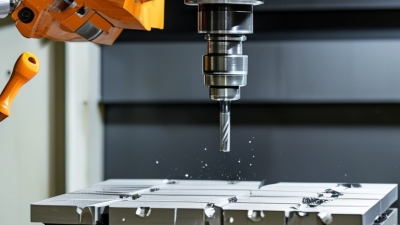
For mold production, CNC machining centers deliver accurate cavities and cores. Electrical discharge machining forms deep ribs and sharp details that cutting tools may miss. Wire EDM cuts precise profiles in hardened steel. Surface grinding machines improve parting surfaces and mold alignment. Laser texturing machines add controlled finishes without repeated manual polishing. These ten machine types cover many manufacturing needs, but the ranking changes with each factory.
Check clamping force, working range, repeatability, energy use, and service access. A machine with impressive speed may waste material during unstable cycles. Local technicians and spare-part availability also affect real production results. In factory evaluations, sample trials reveal problems that brochures often hide. Ask for cycle data, dimensional reports, and maintenance records. No machine wins every job. My own preference can be too cautious when a project needs rapid scale-up, so buyers should compare measured results rather than promises.
Global Purchasing, Compliance, and Supplier Evaluation Criteria
What Are the Top 10 Mold Machines for Global Buyers?
A practical top-ten shortlist includes injection, blow, compression, extrusion, rotational, transfer, rubber, silicone, die-casting, and thermoset molding machines. Selection should begin with destination requirements, not catalog rankings. The ISO Survey 2023 recorded more than 1.26 million ISO 9001 certificates worldwide. Yet certification alone cannot confirm machine quality. Buyers should verify the certificate scope, manufacturing site, audit date, and serial-number traceability.
Compliance needs engineering evidence. Request risk assessments, electrical test records, safety-guard drawings, emergency-stop validation, and software documentation. Check whether conformity assessment matches the importing country. A machine may satisfy one market but require changes elsewhere. UNCTAD’s Review of Maritime Transport 2023 states that ships carry over 80% of global merchandise trade by volume. This makes packaging, moisture protection, spare parts, and port handling important purchasing factors. Ask for shock indicators and a documented preservation method. I have seen attractive offers fail because the control cabinet was poorly protected. That detail is easy to overlook.
Tips: Compare at least three suppliers using the same technical specification. Require a factory acceptance test with mold trials, cycle-time records, energy readings, and sample inspection. Review warranty exclusions carefully. Confirm local service response, technician training, and critical-part availability. Supplier references should come from comparable materials and production volumes. One weakness remains: buyers often overvalue the lowest purchase price. Total cost may depend more on downtime, rejected parts, energy use, and customs delays. Recheck every assumption before signing.