What is Steel Manufacturing Process and Its Global Impact?
Steel manufacturing is a crucial industry, driving global economic growth and infrastructure development. According to the World Steel Association, the global production of steel reached 1.9 billion tons in 2021. This number underscores the essential role of steel in construction and manufacturing sectors worldwide.
However, the steel manufacturing process is not without its challenges. High energy consumption and carbon emissions are significant issues. In fact, the steel industry contributes approximately 7% of global CO2 emissions. As countries strive for sustainability, the need for innovations in steel production becomes ever more pressing.
Moreover, the industry's impact goes beyond environmental concerns. In emerging markets, steel manufacturing supports millions of jobs. It fosters economic development and technological advancement. Yet, the reliance on traditional methods calls for reflection. The world must balance the growing demand for steel with responsible practices and sustainable technologies.
Overview of Steel Manufacturing Process
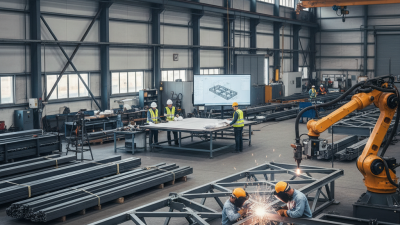
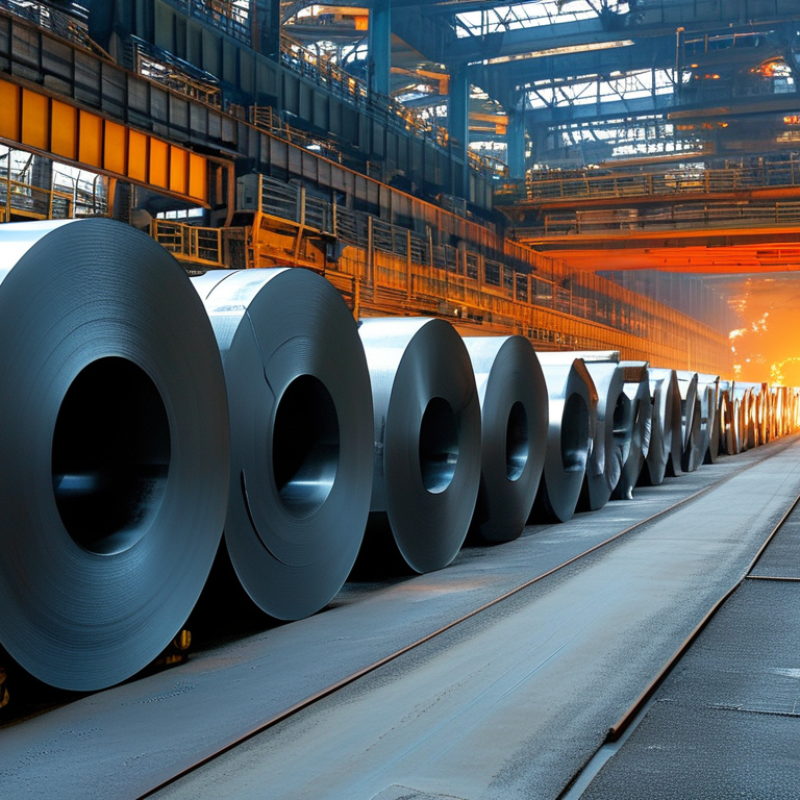
Steel manufacturing is a complex process that involves several key stages. The journey begins with iron ore extraction. The ore is then processed in a blast furnace, where it is combined with coke and limestone. This mixture undergoes high-temperature reactions, producing molten iron and slag. According to the World Steel Association, over 1.9 billion tons of steel were produced globally in 2021 alone. This significant volume highlights the scale and importance of the industry.
After the initial phase, the molten iron must be refined. This is usually done in a basic oxygen furnace or an electric arc furnace. Both methods aim to decrease impurities and increase the carbon content. Data shows that electric arc furnaces are gaining popularity, accounting for nearly 30% of global steel production as of 2022. However, the shift toward more electric processes raises questions about energy consumption and sustainability.
Furthermore, the environmental impact of steel manufacturing cannot be overlooked. The industry contributes to approximately 7% of global carbon emissions. While initiatives exist to adopt greener technologies, the pace of change can be frustratingly slow. Steel manufacturing is central to infrastructure and construction, yet it faces scrutiny for its carbon footprint. As the world pushes for a sustainable future, the steel industry must reflect on its methods and evolve accordingly.
Stages of Steel Production: From Raw Materials to Finished Products
Steel production is a complex process that transforms raw materials into finished products. It begins with the extraction of iron ore, coking coal, and limestone. Each of these materials plays a crucial role in steelmaking. Iron ore provides the primary source of iron, while coking coal fuels the process and limestone acts as a flux to remove impurities. The choice of these materials significantly influences the steel's quality and characteristics.
The production process involves several stages. First, the raw materials are heated in a blast furnace. This generates molten iron, which can contain unwanted elements. Next, the molten iron is converted into steel through processes like oxygen blowing or electric arc melting. After achieving the desired composition, the steel is cast into various shapes. These shapes include ingots, slabs, and billets, which are further processed into finished products like beams, sheets, and rods.
Despite advancements, the steel industry faces challenges. Environmental concerns over emissions and waste management remain pressing issues. The high energy consumption during production raises efficiency concerns. Innovations are needed to improve sustainability. Overall, the steel manufacturing process significantly impacts economies and global infrastructure. The journey from raw materials to finished products is critical, yet the challenges it poses require continuous reflection and improvement.
Environmental and Economic Impacts of Steel Manufacturing
Steel manufacturing is a crucial process that supports various industries. However, its environmental and economic impacts deserve careful consideration. The production of steel contributes significantly to greenhouse gas emissions. In fact, it accounts for nearly 7% of global CO2 emissions. This is a serious concern as the world moves toward sustainability.
Economically, steel manufacturing creates millions of jobs worldwide and fuels industrial growth. However, the process can also lead to resource depletion. For example, iron ore extraction affects local ecosystems. Balancing economic benefits and environmental health is challenging. Factories often face scrutiny for their emissions.
Tips for reducing the impact are available. Companies can adopt cleaner technologies, such as electric arc furnaces. These produce less waste and use recycled materials. Individuals can also make choices that support sustainability. For instance, selecting locally produced steel can lower transportation emissions.
Awareness is key. Many people overlook the hidden costs of steel production. Environmental degradation is often masked by economic gains. Open discussions about these issues are essential for progress.
Technological Advancements in Steel Production Processes
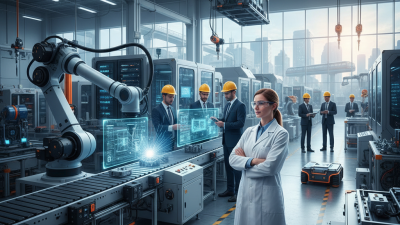
The steel manufacturing process has evolved significantly over the years. Today, technological advancements play a vital role in enhancing production efficiency and reducing environmental impact. Innovations such as electric arc furnaces and automatic control systems allow for precise temperature regulation. This leads to improved steel quality and lower wastage during the production phase.
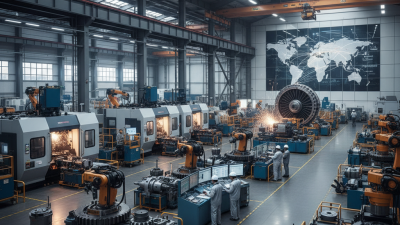
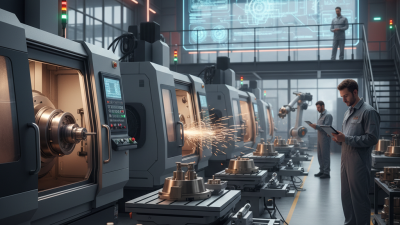
Automation has transformed the industry. Robotics are now commonplace in steel mills, performing repetitive tasks with high accuracy. This not only improves safety but also increases productivity. However, reliance on technology presents challenges. Machine malfunctions can disrupt the entire production line, causing delays and recovery issues.
Sustainability remains a pressing concern. New methods, like carbon capture, are being explored. These techniques aim to reduce harmful emissions during steel production. Yet, their implementation often requires significant investment and careful planning. Stakeholders must weigh costs against long-term benefits. Balancing innovation with sustainability remains an ongoing challenge for the industry.
Global Supply Chain Dynamics in the Steel Industry
The global supply chain dynamics in the steel industry play a crucial role in shaping economies and markets worldwide. Steel is a fundamental material for construction, manufacturing, and infrastructure. Its production involves various stages from raw material extraction to final product delivery. Countries that produce steel heavily influence local and global economies. Economic shifts in one region can impact steel prices and supply chains globally.
Market volatility often arises due to trade policies and environmental regulations. This unpredictability can create challenges for manufacturers. They must adapt quickly to market changes while managing costs effectively. Global demand for greener production methods has also changed supply chain strategies. Companies are now opting for sustainable practices while ensuring product quality.
Tips: Consider diversifying suppliers to mitigate risks. Monitoring global trends is essential for staying ahead. Engage with local policy changes that affect the industry. Being proactive allows companies to navigate the complexities of the steel market more efficiently.
Additionally, challenges arise when suppliers fail to meet quality standards consistently. Not all producers maintain the same level of expertise. Ensuring that raw materials meet strict quality controls can influence the entire production process. This complexity warrants ongoing reflection and adjustment within supply chains. Businesses must maintain flexibility to thrive amid these challenges.
What is Steel Manufacturing Process and Its Global Impact?
| Dimension |
Value |
| Global Steel Production (2022) |
1.97 Billion Metric Tons |
| Major Steel Producing Countries |
China, India, Japan, United States, Russia |
| Steel Industry CO2 Emissions |
Approx. 7-9% of Global Emissions |
| Recycling Rate of Steel |
Approx. 85% |
| Global Steel Consumption (2022) |
1.83 Billion Metric Tons |
| Key Applications of Steel |
Construction, Automotive, Manufacturing, Energy |