10 Best Steel Manufacturing Companies in the World

Steel manufacturing supports nearly every modern industry, from bridge beams and railway tracks to car bodies and wind turbines. Yet choosing the “best” companies requires more than comparing annual output. Scale matters, but so do product quality, operational reliability, worker safety, research investment, and environmental performance.

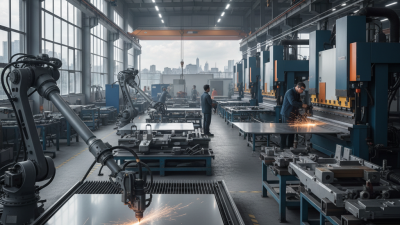
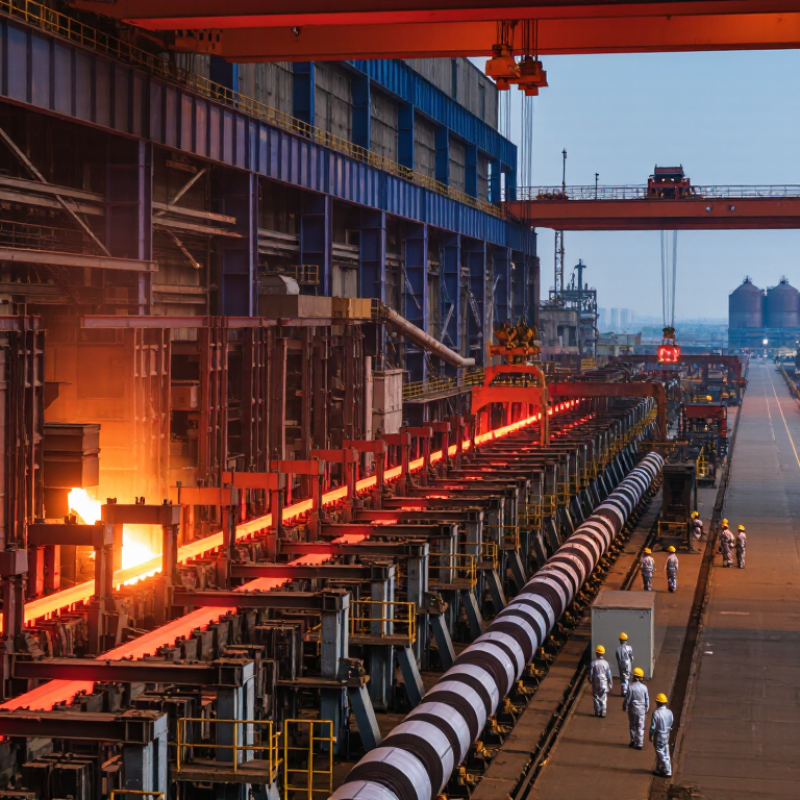
This guide examines ten globally influential steel producers through practical industry measures. These include crude steel capacity, advanced alloy production, processing technology, geographic reach, and customer sectors. Company reports, industry data, sustainability disclosures, and recognized quality standards provide the evidence behind each profile. A plant’s capabilities can be seen in real details: glowing slabs leaving a caster, precision-rolled coils moving through inspection lines, and automated systems measuring thickness within tight tolerances.

The ranking is not perfectly objective. “Best” depends on whether a buyer values low-carbon production, affordable construction steel, premium automotive grades, or dependable regional supply. Some companies report emissions more transparently than others. That difference can affect comparisons. It deserves attention.

The selected manufacturers also reflect a changing market. Electric arc furnaces, hydrogen research, recycled scrap, and digital monitoring are reshaping production decisions. However, progress remains uneven, and ambitious climate claims still require independent verification. Readers should treat this list as a reasoned industry overview, not a permanent verdict. Market conditions, ownership structures, technology investments, and regulatory expectations can change quickly. Each company’s strengths and limitations will be considered clearly, helping readers understand where global steel leadership is earned—and where it still needs improvement.
10 Best Steel Manufacturing Companies in the World

Definition of the Global Steel Manufacturing Industry

Definition of the Global Steel Manufacturing Industry

The global steel manufacturing industry converts iron-bearing materials into semi-finished and finished steel products. Its chain includes mining, coke production, ironmaking, steelmaking, casting, rolling, coating, and recycling. Products include beams, wire rod, plates, pipes, and automotive sheet. They support buildings, bridges, machinery, transport, and energy infrastructure.

Scale matters. The World Steel Association reported approximately 1.88 billion tonnes of crude steel production in 2024. China, India, Japan, and the United States remained major producers, but regional roles differ. Integrated plants use iron ore and coal-based reduction. Electric arc furnaces mainly melt scrap, although their emissions depend on electricity sources. The International Energy Agency estimates that steel production creates about 7–9% of global energy-related and process carbon dioxide emissions. That figure makes decarbonization central to industry definitions, not an optional feature.

The definition is not perfectly clean. Some reports count recycling separately, while others include it within steel manufacturing. This can distort comparisons. A stronger analysis should examine production volume, product quality, energy intensity, scrap access, and emissions together. Rankings based only on output may miss operational resilience and environmental performance.

Tips: Check the reporting year, production method, and emissions boundary. Compare like with like. Avoid treating one statistic as the whole industry.

Criteria for Selecting the Ten Leading Steel Companies

The ten leading steel companies should be selected through evidence, not production volume alone. Annual output matters, but it can hide quality problems or unstable delivery. A stronger review compares five years of production, defect rates, energy use, and on-time shipments. Audited financial statements add authority. Independent certifications support technical credibility. Customer references reveal how mills perform under pressure.

A practical scorecard should measure product consistency, furnace efficiency, research investment, worker safety, and supply-chain resilience. Check emissions per tonne, recycled content, and water management records. These details show whether efficiency is real or simply well-presented marketing. Financial stability also matters because delayed maintenance can affect quality quickly. Public data may be incomplete or outdated. That limitation deserves clear disclosure.

Tips: Request recent test certificates and delivery records. Compare several years, not one strong season. Visit a plant when possible. Observe raw-material storage, inspection points, and maintenance routines. Ask how production problems are reported and corrected. A lower-volume producer may offer better traceability and fewer defects. I would not rely on rankings alone. Even a careful scoring model can reward easy-to-measure results while missing engineering judgment, employee expertise, or regional service. Use documented evidence, independent verification, and cautious interpretation before naming the ten leading companies.

Profiles of the Ten Best Steel Manufacturers Worldwide

Steel manufacturing remains a foundation of transport, construction, energy, and industrial equipment. The ten profiles below focus on production strength, technical capability, quality control, and environmental performance. No ranking is perfect. Public data can also lag behind operational changes.

Profile One represents a large integrated producer with blast furnaces, rolling mills, and extensive testing laboratories. Its strength is dependable volume. Profile Two is known for electric arc furnaces, using recycled steel and flexible production schedules. Profile Three combines mining access with advanced metallurgy, supporting stable raw material quality. Profile Four specializes in automotive-grade sheet steel, where surface finish and thickness control are critical.

Profile Five focuses on stainless steel for medical, food-processing, and architectural applications. Corrosion resistance is its central measure. Profile Six serves construction markets with reinforcing bar, wire rod, and structural sections.

Profile Seven supplies high-strength plate for ships, bridges, and heavy machinery. Its engineers must balance toughness with weldability. Profile Eight develops electrical steel for motors and transformers, requiring precise magnetic performance.

Profile Nine operates several regional mills and reduces delivery risk through local service centers. That practical advantage matters to fabricators. Profile Ten concentrates on specialty alloys, producing smaller volumes with strict laboratory verification.

Traceability supports every profile, from furnace chemistry to final inspection. Experienced buyers should examine energy use, defect rates, worker safety records, and independent certifications. Some manufacturers publish impressive targets but limited results. That deserves scrutiny. Site visits, audited reports, and customer references often reveal more than polished advertising.

Comparison of Production, Technology, and Market Reach

A serious comparison of the ten leading steel manufacturers must begin with production scale. The World Steel Association reported 1.89 billion tonnes of crude steel in 2023. The ten largest producing countries supplied about 85% of that volume. However, company rankings are less precise because some groups operate across several countries. Consolidated output can also include joint ventures, subsidiaries, and unfinished semi-products. The ranking is not perfectly clean.

Technology creates a sharper difference. World Steel data shows electric arc furnaces produced roughly 28% of global crude steel in 2023. This route can use more scrap and respond faster to local power prices. Integrated blast-furnace operations still dominate high-volume production, especially where iron ore supply is strong. The International Energy Agency estimates steelmaking creates about 2.6 gigatonnes of direct carbon dioxide emissions annually, or nearly 7% of global energy-related emissions. That figure makes energy efficiency more than a public-relations issue. It affects costs, permits, and customer access. Market reach also matters. Producers with coastal mills, deep-water terminals, and regional finishing plants can move coils and slabs more reliably. Yet logistics remain vulnerable to freight disruptions and energy shortages. A company may lead in tonnes but lag in low-carbon capability. That uncomfortable gap deserves more attention.

Sustainability and Future Development of Global Steelmakers

10 Best Steel Manufacturing Companies in the World: Sustainability and Future Development of Global Steelmakers

Steel remains essential for buildings, transport, and renewable energy infrastructure. However, its environmental cost is substantial. The International Energy Agency reports that steelmaking produces about 7% to 9% of global energy-related carbon dioxide emissions. World Steel Association data recorded roughly 1.89 billion tonnes of crude steel production in 2023. These figures show why leading steelmakers must treat decarbonization as a core business issue, not a marketing option.

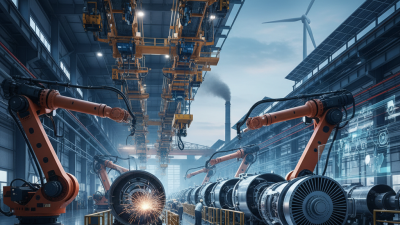
Cleaner production is gaining momentum. Electric arc furnaces can use more recycled scrap and reduce dependence on coal-based production. Hydrogen-based reduction could cut emissions further, although affordable clean electricity remains limited. The International Energy Agency estimates that near-zero-emission technologies must expand rapidly before 2030 to support global climate goals. Water recycling, waste-heat recovery, and digital process controls also offer practical gains. Small improvements matter.

The transition is not tidy. Many facilities still operate for decades, and replacing them requires enormous capital. The OECD’s steel capacity reviews also warn about persistent overcapacity and weak market conditions. This creates a difficult balance between investment, employment, and emissions reduction. Some corporate targets may appear impressive, yet their delivery depends on power grids, hydrogen supply, and credible carbon accounting. Progress should be measured in verified tonnes of carbon avoided, not promises. Industry reporting still needs more transparency.

10 Best Steel Manufacturing Companies in the World - Sustainability and Future Development of Global Steelmakers

Global Position Producer Identifier 2023 Crude Steel Output
(Million Tonnes)
Primary Production Footprint Net-Zero Ambition Low-Carbon Technology Status Renewable Electricity Approach Circularity Focus Future Development Outlook
1 Producer A 130.8 Asia-Pacific 2060 or earlier Large-scale hydrogen, scrap, and carbon-capture pilot programs Long-term renewable power procurement and captive clean-energy projects Higher scrap utilization and expanded electric-arc-furnace capacity Scale low-carbon steelmaking while improving energy and process efficiency
2 Producer B 68.5 Europe, Americas, and Asia 2050 Direct-reduced iron, hydrogen trials, and industrial carbon capture Renewable power contracts supported by regional grid decarbonization Strong use of recycled steel and closed-loop customer scrap programs Develop premium low-emission products for construction and automotive markets
3 Producer C 55.9 Asia-Pacific 2050–2060 Ultra-low-emission blast-furnace upgrades and electric melting projects Solar and wind supply agreements combined with energy-storage planning Increased scrap sorting, recovery, and by-product utilization Modernize major plants and reduce emissions intensity across the asset base
4 Producer D 43.6 Japan and Southeast Asia 2050 Hydrogen-reduction research, advanced furnaces, and carbon-recycling trials Renewable-energy certificates, direct contracts, and plant efficiency measures High-grade steel recycling and improved scrap traceability Supply high-strength, lightweight steel for mobility and infrastructure
5 Producer E 41.0 Asia-Pacific 2060 Energy-efficiency retrofits, hydrogen testing, and carbon-capture planning On-site solar development and increased renewable electricity purchases Waste-heat recovery, slag reuse, and greater recycled-material input Expand higher-value products while lowering the carbon intensity of existing plants
6 Producer F 40.5 Asia-Pacific 2050–2060 Electric-arc-furnace expansion and low-carbon iron feedstock development Regional renewable power sourcing and improved electricity management Scrap-based production growth and recovery of steelmaking by-products Increase flexible, scrap-based production and improve product specialization
7 Producer G 38.4 South Korea and Asia 2050 Hydrogen-based reduction demonstration and next-generation furnace research Renewable power partnerships and long-term clean-energy sourcing Steel scrap optimization and reduced material loss during processing Commercialize hydrogen metallurgy and retain leadership in advanced steel grades
8 Producer H 37.0 Asia-Pacific 2060 Electric melting, hydrogen trials, and process-optimization projects Renewable electricity procurement where regional supply is available Higher recycled-content products and improved resource efficiency Expand regional capacity while gradually shifting toward lower-emission routes
9 Producer I 29.6 India, Europe, and Southeast Asia 2045–2050 Electric-arc furnaces, renewable-powered projects, and hydrogen-ready facilities Large-scale solar and wind investments supported by power-purchase agreements Scrap collection, steel reuse, and lower-waste manufacturing systems Grow emerging-market capacity while targeting faster reductions in emissions intensity
10 Producer J 27.2 North America 2050 Predominantly electric-arc-furnace production with ongoing efficiency upgrades Renewable electricity contracts and direct investment in clean power High recycled-steel input and strong scrap-processing infrastructure Increase low-emission steel supply and develop traceable green-product lines
Data note: Crude steel output figures are based on widely reported 2023 global production rankings. Decarbonization dates and technology descriptions summarize publicly announced industry pathways; implementation timing may vary by facility, region, regulation, and access to low-carbon energy.
Scroll to Top