
Why Choose DTF Transfer Film Rolls for Printing?

Choosing the right DTF Transfer Film Rolls (DTF Film) can shape the entire printing workflow. Film affects ink absorption, powder adhesion, curing behavior, peeling, and final hand feel. A poor roll may create cloudy colors, uneven white ink, or unstable transfers after washing. Small defects become obvious on black cotton shirts.

Textile-printing consultant Debbie McKeegan offers a useful industry reminder: “Digital textile printing is not just about the technology; it is about the application.” Her point matters here. A film should match the printer, ink, powder, dryer, and fabric being used. There is no universal roll for every workshop. That sounds obvious, but it is often ignored.

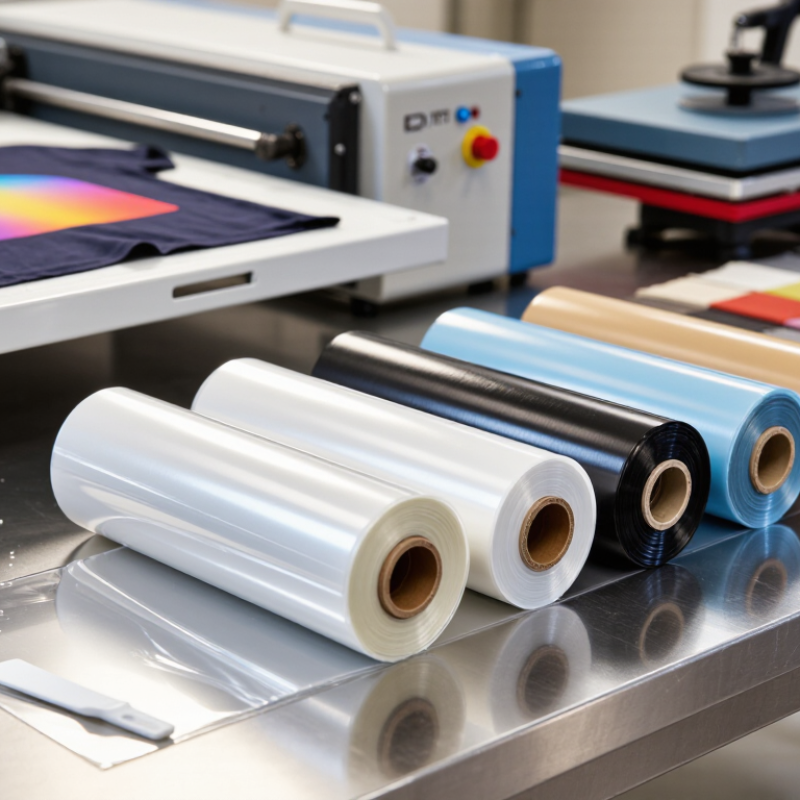
High-quality DTF Transfer Film Rolls (DTF Film) usually provide consistent coating, reliable release, and predictable feeding. Matte surfaces can reduce glare during alignment. Cold-peel and hot-peel options create different production rhythms. Test both before ordering large quantities. Measure color density, white-ink coverage, stretch resistance, and wash durability.

Humidity also deserves attention. Damp powder can reduce bonding strength. Excessive curing heat can damage delicate fabrics. These details are easy to overlook.

A practical test remains essential. Print the same artwork on several film samples. Compare the edges, gradients, and fine lettering under normal lighting. Do not trust a glossy sample alone. It may hide problems.

The honest answer is less glamorous: film improves a controlled process, but it cannot rescue poor artwork, incorrect powder, or neglected maintenance. That limitation deserves attention. Reliable printing comes from repeated testing, careful records, and realistic production expectations.
Why Choose DTF Transfer Film Rolls for Printing?

What Is DTF Transfer Film and How Does It Work?

Why Choose DTF Transfer Film Rolls for Printing?

What Is DTF Transfer Film and How Does It Work?

DTF transfer film is a coated polyester sheet used to carry printed images onto fabric. The process begins with a reverse image printed on the film. White ink is usually applied behind the colors, improving brightness on dark garments. Powder adhesive then covers the wet ink. Heat melts the powder into a flexible bonding layer.

A heat press transfers the finished image onto cotton, polyester, blends, and some treated materials. The film releases after cooling, leaving a thin, detailed graphic. Rolls support continuous production and reduce interruptions between designs. They also help operators maintain consistent feeding and alignment. Small errors still matter. Excess powder, uneven curing, or weak pressure can cause peeling and rough edges.

According to Grand View Research, the global digital textile printing market was valued at approximately 2.7 billion US dollars in 2023. Its report projects strong growth through 2030, supported by shorter runs and customized apparel. Smithers’ industry analysis also identifies digital printing as a growing alternative for responsive textile production. These figures do not guarantee every DTF workflow will succeed. Film quality, ink compatibility, humidity, curing temperature, and fabric preparation remain critical variables. In practical testing, a clean peel and wash test reveal more than appearance alone. A durable transfer should keep sharp edges after repeated laundering, not merely look impressive on day one.

How DTF Transfer Film Rolls Support Efficient Printing

Why Choose DTF Transfer Film Rolls for Printing?

How DTF Transfer Film Rolls Support Efficient Printing

DTF transfer film rolls can make busy print production more consistent. Their continuous format supports longer print runs with fewer interruptions. Operators spend less time aligning separate sheets and more time managing artwork, powder, and curing stages. This smoother workflow can improve daily output, especially when several designs share one production session. Less handling also reduces fingerprints, dust exposure, and accidental film movement.

In practical use, roll length helps shops plan materials more accurately. A measured section can support several transfers, reducing unnecessary offcuts. Clear film tracking also makes it easier to monitor consumption and reorder supplies. However, efficiency depends on more than the roll itself. Correct coating, temperature, ink compatibility, and storage conditions all matter. A poorly stored roll may collect moisture and affect transfer quality. Results can vary. Testing remains necessary.

Tips: Store rolls flat or securely supported in a dry, clean area. Check the printable side before loading. Keep tension steady during feeding. Run a small test first. Record temperature, pressure, and curing time for repeat jobs. These notes help identify problems, even when the cause is not obvious. Crew training matters too, because small loading errors can create larger delays later.

Key Benefits of Using DTF Transfer Film Rolls

DTF transfer film rolls offer practical advantages for modern garment printing. Their continuous format reduces loading interruptions and keeps production moving. Operators can print several designs without repeatedly aligning separate sheets. This saves handling time. It also creates a cleaner workspace, especially during busy order periods.

Grand View Research valued the global digital textile printing market at USD 2.72 billion in 2023. It forecasts a 12.1% compound annual growth rate from 2024 to 2030. This growth reflects demand for customization, short runs, and faster production. Roll film fits these needs well. It supports flexible quantities without requiring large inventories of pre-printed transfers. Properly stored rolls also protect unused film from dust, creases, and accidental scratches.

The material can improve consistency across repeated jobs. Stable feeding helps maintain similar print placement and image dimensions. It also reduces edge waste compared with poorly managed cut sheets. However, rolls are not a magic solution. Humidity, powder coverage, curing temperature, and printer calibration still affect transfer quality. The International Data Corporation’s 2024 print industry research emphasizes workflow efficiency and reduced rework as important operational priorities. In practice, a small test run remains necessary. Some films curl slightly after storage. Others may need different curing settings. Careful testing prevents a smooth-looking workflow from producing uneven prints.

Why Choose DTF Transfer Film Rolls for Printing? - Key Benefits of Using DTF Transfer Film Rolls

Data Dimension Typical DTF Transfer Film Roll Information Key Benefit Practical Printing Impact
Film Material Polyethylene terephthalate (PET) film is commonly used. Provides dimensional stability and a smooth print surface. Helps maintain accurate image placement during powder application and heat pressing.
Common Thickness Many DTF films are available around 75–100 microns, depending on the construction. Balances flexibility, handling strength, and transfer performance. A suitable thickness can reduce wrinkling and make film handling easier.
Roll Width Options Common widths include approximately 30 cm, 33 cm, 40 cm, 。60 cm, and other machine-compatible sizes. Supports different printer formats and garment sizes. Users can select a width that minimizes unused film around each design.
Continuous Length Roll lengths vary by supplier and production requirement; longer rolls are intended for continuous workflows. Reduces the frequency of media changes. Improves production continuity for repeated or high-volume jobs.
Surface Finish Available finishes commonly include matte, glossy, or specially coated surfaces. Allows the user to match the film surface with the desired transfer appearance. Can influence visual texture, release behavior, and the final look of the print.
Peel Type Films may be designed for hot peel, warm peel, or cold peel processes. Provides workflow flexibility after heat pressing. The required peeling temperature and waiting time depend on the film, adhesive powder, fabric, and press settings.
Color Compatibility DTF transfers can be applied to light and dark textiles when compatible white ink and adhesive powder are used. Expands the range of printable garment colors. The white ink layer helps preserve color visibility on dark fabrics.
Design Detail The process supports detailed graphics, gradients, text, and full-color artwork. Enables complex designs without cutting each color separately. Suitable for artwork that would be difficult to produce with traditional spot-color methods.
Fabric Range Commonly used on cotton, polyester, cotton-polyester blends, and selected treated textiles. Offers broad garment and textile application potential. Press temperature, pressure, and dwell time should be tested for each fabric type.
Material Waste Roll media can be cut or printed according to the required design layout. Allows more efficient nesting of multiple designs. Better layout planning can reduce unused film and adhesive powder consumption.
Production Scalability Roll-fed media is suitable for batch production and repeated design runs. Supports both short-run customization and larger production volumes. A continuous roll workflow can reduce interruptions compared with loading individual sheets.
Storage Conditions Store in a clean, dry area away from direct sunlight, excessive humidity, and heat. Helps preserve coating performance and dimensional stability. Proper storage can reduce problems such as curling, sticking, moisture exposure, and uneven powder adhesion.
Quality Control Factors Important variables include coating uniformity, static control, release behavior, and roll winding quality. Promotes more consistent printing and transfer results. Testing with the intended printer, ink, powder, fabric, and heat press is recommended before production.

Note: Specifications and performance may vary according to film construction, printer settings, adhesive powder, fabric type, and heat-press conditions.

Factors to Consider When Choosing DTF Transfer Film Rolls

Why Choose DTF Transfer Film Rolls for Printing?

Choosing DTF transfer film rolls requires more than checking price or surface brightness. Smithers’ report, The Future of Digital Textile Printing to 2028, forecasts strong double-digit growth for digital textile printing. That growth increases pressure on film consistency. A suitable roll should match the printer’s working width, core size, ink system, powder, and heat-press settings. Poor alignment can create wrinkles, wasted transfers, and uneven adhesive coverage.

Film thickness matters. Many production films fall near the 75–100 micron range, but thicker is not always better. Coating uniformity often matters more. Check whether the film supports stable ink absorption, clean powder release, and reliable peeling after curing. Static control is also important. A charged roll can attract dust or shift during feeding. Test a small batch first. It is cheaper than discovering defects after a long production run.

Storage conditions deserve attention. Keep rolls sealed, dry, and away from direct heat. Industry guidance commonly recommends controlled humidity near 45–60%, although local conditions may require adjustment. Grand View Research reported that the broader digital textile printing market reached about USD 2.7 billion in 2023, showing the scale of demand for dependable workflows.

Still, market growth does not guarantee every film performs equally. I would record peel temperature, curing time, wash resistance, and color density for each lot. The first roll may look perfect. The second may not. That possibility should shape the quality process.

Common Applications of DTF Transfer Film Rolls

Why Choose DTF Transfer Film Rolls for Printing?

DTF transfer film rolls support flexible garment decoration across many product types. They work well for cotton shirts, polyester sportswear, hoodies, tote bags, and work uniforms. The printed design transfers onto fabric with strong color and fine detail. This makes the film useful for small orders and repeated production runs.

In practical production, rolls can reduce interruptions during continuous printing. They also help maintain consistent film feeding and artwork placement. Bright graphics suit event shirts, club apparel, promotional clothing, and personalized gifts. However, results depend on powder coverage, curing temperature, and fabric texture. A rough textile may soften small details. I once underestimated fabric stretch, and the design looked less balanced than expected. That mistake showed why testing matters.

Tips: Check the film width before preparing artwork. Leave enough space between designs. Test one transfer on the actual fabric first. Review peeling, stretch, and wash performance after curing. Small temperature changes can affect the final finish. Record successful settings for future orders, but do not treat them as permanent rules. Different fabrics often need different pressure and heating times.

Why Choose DTF Transfer Film Rolls for Printing?

DTF transfer film rolls are commonly used for custom T-shirts, hoodies, sportswear, tote bags, workwear, and promotional textiles. The chart shows typical heat-press temperatures commonly used for these applications. Actual settings may vary according to the fabric, adhesive powder, transfer film, and press manufacturer’s instructions.

Scroll to Top