Why Choose Diesel Light Tower for Your Construction Needs?
When selecting equipment for construction projects, the choice of lighting can significantly impact safety and productivity. The Diesel Light Tower has become a favored option among industry professionals. According to the Equipment Leasing and Rental Association, the demand for reliable and efficient lighting solutions in construction has surged over the past five years. Diesel Light Towers provide high-intensity illumination, crucial for nighttime operations on job sites.
Utilizing a Diesel Light Tower can enhance visibility, reduce accidents, and improve overall efficiency. A report by the National Institute for Occupational Safety and Health highlights that well-lit work areas can decrease incidents by up to 30%. Despite their advantages, some may overlook these towers, focusing instead on alternative lighting options that may not produce the same quality of light. This gap in understanding presents an opportunity for companies to reflect on their equipment choices.
Investing in a Diesel Light Tower is not just about illumination; it's about fostering a safer work environment. The reliability of diesel-powered units often outshines their electric counterparts in outdoor settings. However, it’s essential to weigh factors such as fuel costs and environmental impact. Balancing these considerations ensures that the choice of equipment aligns with both operational efficiency and sustainability goals.
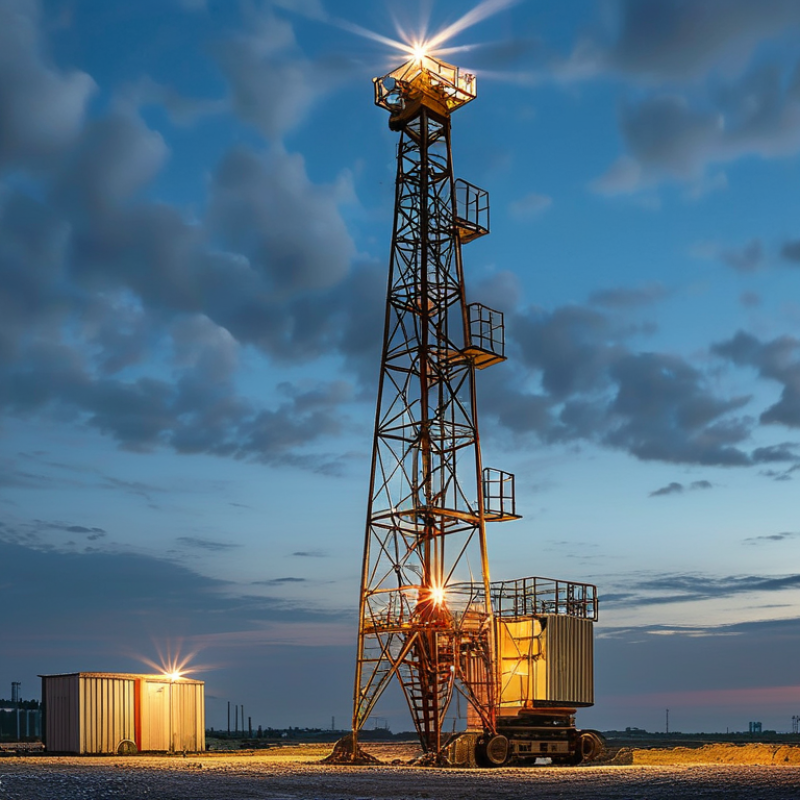
Benefits of Using Diesel Light Towers for Construction Projects
Diesel light towers are essential for construction projects. They provide powerful illumination for any job site. Unlike traditional lights, diesel towers offer robustness and dependability. Their high output ensures a well-lit environment, even in the darkest conditions. This reliability can improve safety for workers, reducing accidents caused by poor visibility.
Another significant advantage of diesel light towers is their mobility. Many models are trailer-mounted, allowing easy transportation. They can be quickly relocated to different areas on-site. This flexibility can lead to more efficient project timelines. Workers can operate without delays, especially during nighttime. The lower fuel consumption of diesel engines also makes them cost-effective over time.
However, it’s crucial to consider fuel availability and emissions. Diesel engines produce pollutants that can harm the environment. Projects in sensitive areas may face restrictions. Selecting the right model involves weighing efficiency against these potential drawbacks. Nonetheless, for many construction needs, diesel light towers offer unmatched strength and performance.
Comparative Analysis: Diesel vs. Alternative Light Sources
When it comes to construction sites, choosing the right light source is essential. Diesel light towers have emerged as a reliable option when compared to alternative lighting methods. According to a report from the Construction Equipment Industry, diesel light towers can operate for up to 50 hours on a single tank. This longevity reduces operational interruptions and increases productivity, especially in remote areas without electrical access.
Alternative light sources, such as LED and gas-powered lights, often fall short in performance under heavy conditions. A study by the Lighting Research Center pointed out that while LEDs are energy-efficient, their brightness diminishes significantly in cold weather. Conversely, diesel light towers maintain consistent illumination across various environmental conditions. However, they can produce noise and emissions, raising concerns about their environmental impact.
Despite the advantages, it’s crucial to consider site-specific needs. Diesel light towers may require more maintenance than some alternatives, which can be a drawback. Efficiency in fuel consumption varies based on load and weather conditions. Therefore, assessing your site’s unique requirements can help you make a more informed decision about lighting options.
Key Features of Diesel Light Towers for Enhanced Performance
When selecting equipment for construction sites, diesel light towers stand out. Their robust design and high performance make them essential. According to the Construction Equipment Guide, these towers provide efficient illumination even in harsh conditions, with some models offering over over 10,000 lumens. This kind of brightness ensures that work continues safely during night shifts or low-light conditions.
Durability is a core feature of diesel light towers. Most models are built to withstand extreme weather. A survey by the American National Standards Institute indicates that construction worksites often face severe environments. Diesel light towers can operate reliably under such conditions, minimizing downtime. Additionally, many units feature a fuel-efficient engine, which reduces costs and environmental impact over time.
Portability adds to their appeal. Many diesel light towers include trailer-mounted designs, making them easy to transport. This feature is critical for projects spanning different locations. However, some users point out the noise level of diesel engines as a concern. Balancing performance against noise is an ongoing challenge in choosing the right light tower. Understanding your site’s unique needs is vital for maximizing efficiency.
Cost-Effectiveness and Efficiency of Diesel Light Towers
When considering construction lighting, diesel light towers stand out for their cost-effectiveness. They provide powerful illumination, which is essential for night-time work. One common concern is fuel cost, but diesel engines are generally more efficient than gasoline engines. They require less frequent refueling, reducing downtime on sites.
Efficiency is another benefit of diesel light towers. These units can run for extended periods without interruption. They often come with adjustable light settings, ensuring optimal brightness. This adaptability allows construction managers to tailor light levels to specific job requirements. Many users report that this flexibility leads to improved safety and productivity on-site.
Despite their advantages, diesel light towers require regular maintenance. Neglecting this can lead to performance issues. Operators must be diligent about checking oil levels and filters. Proper maintenance can prevent costly repairs and extend the life of the equipment. Overall, the benefits often outweigh these considerations, making diesel light towers a solid choice for many construction projects.
Why Choose Diesel Light Tower for Your Construction Needs?
| Feature | Diesel Light Tower | Electric Light Tower |
| Initial Cost | $$$ | $$ |
| Operating Cost | $$ | $$$ |
| Fuel Efficiency | High | Medium |
| Light Output | High | Medium |
| Setup Time | Quick | Longer |
| Portability | Very Good | Limited |
Environmental Considerations of Diesel Light Towers in Construction
Diesel light towers offer unique advantages in construction. They provide bright illumination for night work, ensuring safety on site. However, it’s important to consider their environmental impact. The emissions from diesel engines can contribute to air pollution. Understanding these effects can help in making informed decisions.
Using diesel light towers may lead to increased fuel consumption. Opting for more efficient engines could mitigate this issue. Regular maintenance is essential to reduce emissions and optimize performance. Eco-friendly practices are crucial for minimizing the carbon footprint. Are there alternatives available? Solar-powered lights are one option worth exploring.
The noise produced by diesel generators is another concern. It can affect nearby communities and workers' well-being. Using technology for noise reduction can be beneficial. Additionally, implementing energy-efficient solutions can lessen overall diesel dependency. Evaluating the balance between effectiveness and environmental responsibility is vital. Engaging in sustainable practices not only aids compliance but also enhances the industry’s public image.
Environmental Impact of Diesel Light Towers vs. Alternatives
The chart above illustrates the average CO2 emissions per hour for different types of light towers commonly used in construction sites. Diesel light towers emit significantly more CO2 compared to their solar and LED counterparts, highlighting a key environmental consideration when choosing lighting solutions for construction projects.
