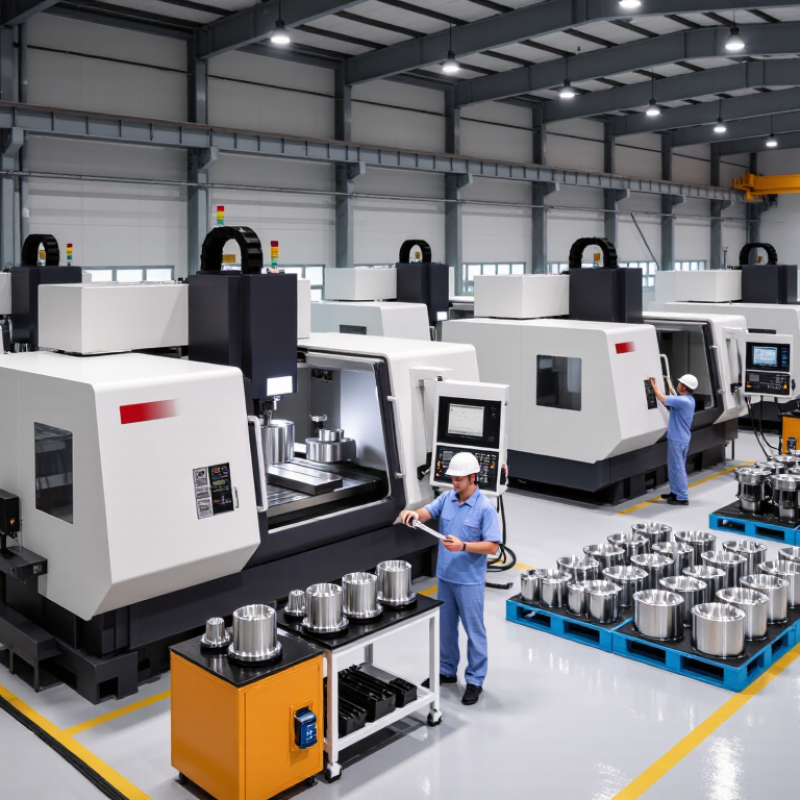
Top 10 CNC Metal Manufacturers in China for Global Buyers?

China remains a major force in precision manufacturing, especially for buyers sourcing cnc metal components. Its industrial base combines CNC machining, casting, sheet-metal fabrication, finishing, and large-scale export logistics. According to the International Federation of Robotics’ World Robotics 2024 report, China installed 276,288 industrial robots in 2023. That figure represented more than half of global installations. Automation does not guarantee quality, but it shows the depth of China’s manufacturing infrastructure.

Market demand is also expanding. Grand View Research estimated the global CNC machine market at approximately USD 83 billion in 2023. The report expects continued growth through 2030, driven by aerospace, automotive, medical, electronics, and industrial equipment applications. These figures explain why global buyers continue comparing Chinese manufacturers. Yet price alone is a weak filter.

A reliable supplier should demonstrate material traceability, dimensional inspection, process control, and realistic delivery planning. ISO 9001 certification can support confidence, but it should not replace factory audits or sample approval. Buyers should examine equipment lists, CMM inspection records, surface-finish capability, and communication speed. Small details matter, such as whether a supplier records the heat number on a stainless-steel batch.

This ranking introduces ten Chinese manufacturers serving international buyers. The evaluation considers technical capability, production experience, quality systems, export support, and project suitability. No list is perfect. Supplier strengths can change with ownership, staffing, machinery, or workload. Therefore, readers should verify current certificates, samples, tolerances, and commercial terms before placing an order. That final check is often where good sourcing decisions begin.

Top 10 CNC Metal Manufacturers in China for Global Buyers?

What Defines a Reliable CNC Metal Manufacturer in China

A reliable CNC metal manufacturer in China proves its capability through consistent work, not polished promises. Global buyers should request sample parts, inspection reports, and machining records. Experienced factories understand aluminum, stainless steel, brass, and engineered alloys. They also know how cutting speed affects burrs, heat, and surface finish.

Clear engineering communication matters. A dependable supplier reviews drawings before production and identifies unclear tolerances early. Ask how the factory controls dimensions during milling, turning, drilling, and finishing. Useful evidence includes calibrated measuring tools, first-article inspection, material certificates, and batch traceability. A small part should still receive serious attention. Tiny holes expose weak quality systems.

Production capacity needs practical verification. Buyers can review machine lists, maintenance schedules, and recent quality data. A factory may own advanced equipment but lack trained operators. That difference matters. Reliable manufacturers explain lead times honestly and report delays quickly. They protect parts with suitable packaging, clear labels, and accurate export documents. Communication should remain precise across time zones.

No manufacturer is flawless. I would question any supplier claiming zero defects. A stronger partner explains past problems, corrective actions, and prevention methods. Factory audits, video inspections, and independent testing can reduce uncertainty. Price deserves attention, but unstable quality creates higher costs through rework, delays, and rejected shipments. A trustworthy CNC metal manufacturer combines technical discipline with accountable human judgment.
How to Evaluate CNC Machining Capabilities and Quality Standards

Top 10 CNC Metal Manufacturers in China for Global Buyers

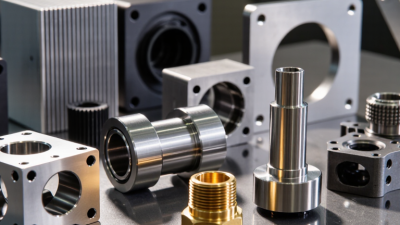
Evaluating a CNC supplier requires more than comparing hourly prices. Ask for machine specifications, working envelopes, axis counts, and material experience. A five-axis center may reduce setups, but it does not guarantee accurate parts. Review sample drawings, surface-finish records, and dimensional inspection reports. Important details include tolerance capability, tool compensation, coolant control, and spindle maintenance.

Quality systems need measurable evidence. The ISO Survey 2022 recorded more than one million ISO 9001 certificates worldwide, yet certification alone cannot prove process control. Request calibration records, inspection equipment lists, and traceability from raw material to shipment. A reliable facility should explain how it uses CMMs, height gauges, and thread gauges. For critical components, ask for first-article inspection, capability studies, and corrective-action records. Data should identify the drawing revision and inspection date.

Digital monitoring also deserves attention. Deloitte’s 2023 Smart Manufacturing Survey found that 86% of manufacturing leaders expected smart manufacturing to become a major competitiveness factor within five years. Suppliers should therefore show how production data supports decisions, not just display dashboards. Look for barcode tracking, tool-life alerts, and controlled program access. A polished website proves little. An uncomfortable question remains: can the factory repeat the result after 1,000 parts? Some suppliers may provide excellent prototypes but weaker batch consistency. Buyers should test this risk with a small pilot order, independent inspection, and clearly defined acceptance criteria.

Top 10 CNC Metal Manufacturers Serving Global Buyers

Selecting the top 10 CNC metal manufacturers serving global buyers requires more than comparing hourly prices. A reliable supplier should show material certificates, calibrated inspection records, and repeatable process controls. ISO’s 2023 Survey recorded more than one million ISO 9001 certificates worldwide, so certification alone cannot prove machining quality. Buyers must examine audit evidence, not just logos.

China remains a major production base for precision metalwork. The International Federation of Robotics reported that China installed 276,288 industrial robots in 2023, representing about 51% of global installations. This supports strong automation capacity, but it does not guarantee tight tolerances. The manufacturers shortlisted here should demonstrate CMM inspection, tool-life monitoring, and traceability from raw bar stock to packed parts. Their experience with aluminum, stainless steel, and engineering plastics also matters. The ranking remains imperfect because delivery performance can change by plant, season, and project complexity.

Tips: Request a first-article inspection report before approving mass production. Confirm tolerances, surface finish, packaging, and Incoterms in writing. Ask for recent samples with hidden dimensions, not only attractive photographs. A supplier that explains a failed trial honestly may be more dependable than one promising zero defects. Check communication speed across several weeks. Also review capacity during peak periods, because a low quoted price can hide delayed shipments, rework, or outsourced operations.

Comparing Pricing, Lead Times, Materials, and Production Capacity

Top 10 CNC Metal Manufacturers in China for Global Buyers?

A credible top-ten list should compare more than hourly machining rates. UNIDO reported that China produced about 31.6% of global manufacturing value added in 2022. That scale supports broad equipment access and competitive purchasing costs. Yet a low quotation can hide tooling, inspection, packaging, or export charges. Ask for a fully itemized quote.

Lead times often separate capable suppliers from merely cheap ones. Standard aluminum parts may ship within two to four weeks after drawing approval. Complex steel assemblies can require six to ten weeks. These ranges vary with tolerances, heat treatment, and inspection requirements. The 2024 Global Manufacturing Industry Outlook from Deloitte highlights planning visibility as a major resilience factor. Request a production schedule, not just a promised delivery date.

Materials also need verification. Compare certificates for 6061 aluminum, 7075 aluminum, stainless steel, alloy steel, and titanium. Check batch numbers and independent test reports when the application is safety-sensitive. Capacity should include available five-axis machines, pallet systems, and inspection equipment. The International Federation of Robotics recorded 276,288 industrial robot installations in China during 2023, representing over half of global installations. This indicates strong automation capacity, but it does not prove every factory can control tight tolerances. I would rank suppliers using sample parts, audit evidence, defect data, and realistic lead times. Quotes still deserve skepticism.

Top 10 CNC Metal Manufacturers in China for Global Buyers — Pricing, Lead Times, Materials, and Production Capacity
Comparison basis: indicative China-market ranges for repeat-production orders of 100–500 precision aluminum parts, excluding tooling, surface treatment, freight, taxes, and certification costs. Actual quotations vary by geometry, tolerances, quantity, inspection requirements, and destination.
Rank Manufacturer Profile Typical Unit Price
USD/pc
Prototype Lead Time Production Lead Time Common Materials Typical Tolerance Estimated Monthly Capacity
1 Profile 01
High-volume precision machining
$8–18 5–8 working days 15–25 working days 6061-T6 aluminum 7075 aluminum 304 stainless steel Typically ±0.02 mm
Critical features to ±0.01 mm
150,000–300,000 parts/month
2 Profile 02
Export-focused contract machining
$10–22 6–10 working days 18–28 working days Aluminum alloys Brass 316L stainless steel POM Typically ±0.02–0.03 mm 80,000–180,000 parts/month
3 Profile 03
Complex 5-axis machining
$28–75 8–12 working days 20–35 working days 7075 aluminum Titanium Grade 5 Inconel Tool steel Typically ±0.01–0.02 mm 15,000–45,000 parts/month
4 Profile 04
Rapid prototyping and low-volume production
$18–55 3–7 working days 12–22 working days 6061 aluminum ABS POM Nylon Typically ±0.03 mm 5,000–25,000 parts/month
5 Profile 05
Automotive and industrial components
$7–20 7–12 working days 20–32 working days Aluminum alloys Carbon steel Stainless steel Brass Typically ±0.02–0.05 mm 200,000–500,000 parts/month
6 Profile 06
Medical and laboratory machining
$22–65 8–14 working days 25–40 working days 316L stainless steel Titanium PEEK Aluminum Typically ±0.01–0.02 mm 10,000–35,000 parts/month
7 Profile 07
Sheet metal and CNC integration
$12–35 6–10 working days 18–30 working days Mild steel Stainless steel Aluminum sheet Copper Typically ±0.05 mm
Machined features to ±0.02 mm
40,000–120,000 parts/month
8 Profile 08
Die, mold, and hardened-steel machining
$35–120 10–18 working days 30–50 working days P20 steel H13 tool steel SKD11 steel Aluminum Typically ±0.005–0.02 mm 3,000–15,000 parts/month
9 Profile 09
Electronics and enclosure machining
$9–26 5–9 working days 15–27 working days 6063 aluminum 6061 aluminum ABS PC Typically ±0.03–0.05 mm 60,000–160,000 parts/month
10 Profile 10
Small-batch custom machining
$15–45 5–10 working days 15–30 working days Aluminum Brass Stainless steel Engineering plastics Typically ±0.02–0.05 mm 8,000–40,000 parts/month
Notes: CNC machining prices are strongly affected by material cost, machine time, setup complexity, surface finishing, inspection requirements, and order quantity. Standard capabilities commonly include 3-axis and 4-axis milling, CNC turning, drilling, tapping, deburring, anodizing, powder coating, passivation, and laser marking. Buyers should request a drawing-based quotation and confirm tolerance, material certificates, first-article inspection, packaging, and delivery terms before placing an order.

How to Select the Right Chinese CNC Manufacturing Partner

Choosing among China’s leading CNC metal manufacturers requires more than comparing hourly rates. In supplier evaluations, I inspect process capability, not polished brochures. Ask for recent samples using similar alloys, tolerances, and surface finishes. A machined aluminum housing should show clean threads, consistent wall thickness, and protected edges. Request a capability chart and measure critical features independently. Small deviations can become assembly failures.

A reliable partner explains its equipment, inspection method, and production limits clearly. Look for calibrated gauges, coordinate measuring machines, material certificates, and documented batch traceability. Review how engineers handle drawings, revisions, and unclear dimensions. Good communication matters. During a factory audit, observe first-article inspection and how rejected parts are isolated. Ask who approves corrective action, and request dated evidence. Certifications can support trust, but they do not replace direct verification.

Pilot orders reveal habits that presentations hide. Check packaging, labels, delivery records, and response speed when a defect appears. I once treated a low quote as evidence of efficiency; later, repeated clarification costs erased the savings. That mistake still influences my supplier scorecards. I now weight engineering feedback, realistic lead times, and contingency planning heavily. A capable manufacturer should discuss tooling wear, raw-material changes, and capacity during peak months. Be specific. Leave room for doubt. A promising supplier may still need a smaller trial before full production.

Scroll to Top