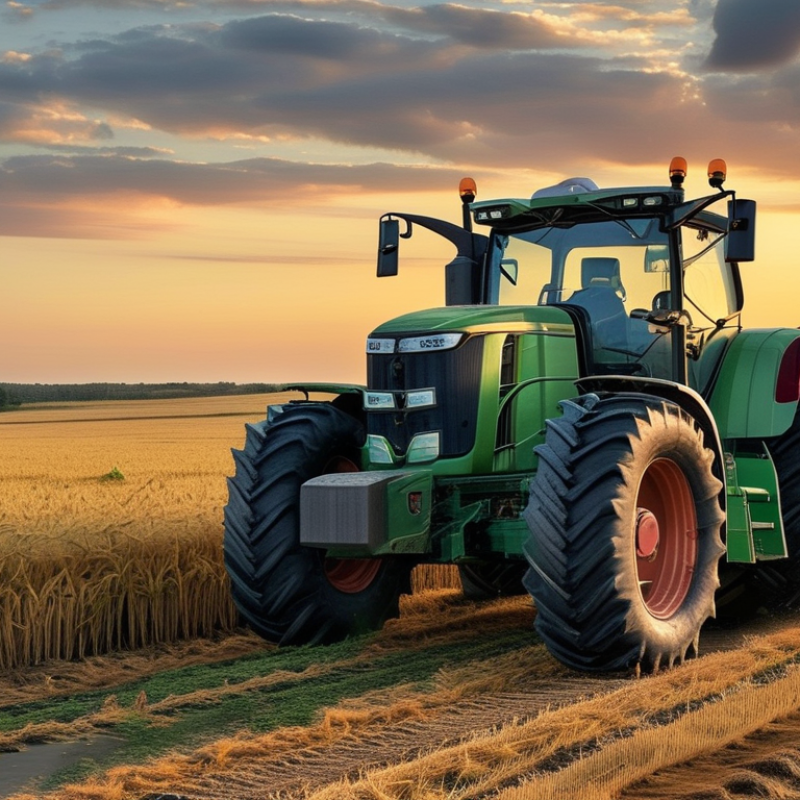
Top 10 Agricultural Tires for Optimal Farming Efficiency?
In modern agriculture, choosing the right Agricultural Tire is crucial. These tires impact productivity and ensure efficient farm operations. Selecting an optimal tire can significantly affect traction, durability, and overall performance.
Farmers often focus on size and tread design when selecting tires. However, the importance of quality cannot be overlooked. Some tires may promise great performance but fall short in real-world conditions. Farmers must research to identify reliable options.
Investing in reputable Agricultural Tires can lead to improved efficiency and reduced downtime. Balancing cost and quality is a persistent challenge. The right choice can enhance harvesting speed and soil health. It’s essential to weigh the pros and cons carefully, as the wrong decision may hinder progress.
Choosing the Right Agricultural Tires for Your Farming Needs
Selecting the right agricultural tires is crucial for enhancing farming efficiency. Your choice should align with the specific needs of your farm. Different terrains require different tire types. For instance, soft, muddy fields benefit from wider tires that distribute weight evenly. This helps prevent soil compaction, which can hinder crop growth.
Consider the tread pattern. Tires with deep treads are ideal for gripping uneven surfaces. They provide traction in slippery conditions. However, these tires may cause more soil disturbance. Balancing traction and soil health is essential. It’s important to reflect on what best suits your farming activities.
Evaluate your equipment as well. Certain machines may have unique tire needs. Compatibility ensures optimal performance in various conditions. Building a reliable tire inventory may require experimentation. Trying out different types can lead to valuable insights. Regular maintenance of tires is another aspect that shouldn’t be overlooked. Inspecting for wear can prolong tire life and enhance their efficiency.
Key Features to Consider in Agricultural Tires
When selecting agricultural tires, several key features play a crucial role in farming efficiency. One main aspect is the tire's tread design. An appropriate tread pattern ensures optimal traction on various terrains. Whether in muddy fields or dry soil, farmers need a tire that adapts well. A deeper tread can help in wet conditions, while a shallow tread is beneficial on hard surfaces.
Another important feature is the tire's load capacity. Each tire must support the weight of farming equipment without compromising performance. Choosing a tire that meets or exceeds the load requirements enhances reliability. Additionally, farmers should consider the tire’s inflation pressure. Maintaining the correct pressure can improve fuel efficiency and reduce soil compaction.
Durability also stands out. Tires experience wear and tear from constant usage. The materials used in tire construction determine how long they last. Farmers should look for wear indicators that signal when tires need replacement. While all these features are essential, the balance between traction, load capacity, and durability can be tricky. Regularly assessing tire condition helps maintain efficiency in the field. Balancing these elements may require some trial and error.
Top 10 Agricultural Tire Brands and Their Strengths
When selecting agricultural tires, farmers should consider the unique strengths of the top brands in the market. Each brand focuses on specific features to enhance farming efficiency. According to a recent report by the American Farm Bureau Federation, the right agricultural tire can improve fuel efficiency by up to 20%. This highlights the importance of choosing wisely.
One notable strength across many brands is traction. High-traction tires can significantly increase productivity on uneven terrain. They also contribute to lower soil compaction, which is essential for crop health. A study published in the Journal of Agricultural Science mentions that reduced soil compaction can lead to a 10-15% increase in crop yields. However, some brands prioritize durability over traction, which can lead to issues during wet seasons.
Tire size and load capacity are also vital. Tires that can hold more weight are ideal for heavy machinery, making them an attractive option for large-scale operations. However, it can be easy to overlook compatibility with existing equipment. This oversight can hinder operational efficiency, leading to increased costs. Finding the perfect balance between traction, durability, and compatibility is crucial for maximizing farming potential. As farmers continue to assess their needs, it is clear that the process requires careful thought and reflection.
Performance Comparison of Agricultural Tires in Various Conditions
When evaluating agricultural tires, performance in various conditions is crucial. In a recent study by the American Society of Agricultural and Biological Engineers, it was reported that proper tire selection can improve fuel efficiency by up to 10%. This efficiency can result from reduced slippage and increased traction on challenging terrains, such as muddy fields or uneven ground.
A tire's tread pattern plays a significant role in its performance. Deep treads perform well in wet conditions, providing better grip and preventing bogging down. Conversely, broad, shallow treads can enhance stability on hard surfaces, allowing for precise maneuvering. It's essential for farmers to assess their specific needs based on the terrain and soil types they frequently encounter.
Tips: Always check tire pressure regularly, as properly inflated tires can enhance fuel efficiency and extend tire life. Also, consider rotating tires to achieve even wear.
Sometimes, less popular tire options can provide significant advantages in niche conditions, so exploring beyond mainstream choices can be beneficial. Balancing performance with cost-effectiveness is vital. Each farm's requirements vary; ensure your tire choice meets your unique needs for optimal results.
Maintenance Tips for Extending the Life of Agricultural Tires
Maintaining agricultural tires is crucial for optimal farming operations. Regular inspection is essential. Look for cracks, cuts, and uneven wear. These signs indicate potential problems that may worsen if ignored. Tire pressure directly affects traction and load management. Keeping tires inflated to the recommended levels maximizes their lifespan and performance.
Proper cleaning is often overlooked. Dirt and debris can accumulate, leading to corrosion and damage. Wash tires regularly, especially if exposed to harsh chemicals or fertilizers. Additionally, store tires in a cool, dry place when not in use. Extreme temperatures can degrade rubber compounds.
Rotation is another key maintenance practice. Tires wear differently depending on their position on machinery. Rotating them can promote even wear, extending their life. However, some farmers might forget this or not prioritize it. Ignoring rotation can lead to premature tire replacement, increasing costs. Taking time for these simple maintenance tasks can significantly improve tire longevity and farming efficiency.
Top 10 Agricultural Tires for Optimal Farming Efficiency
| Tire Model | Size | Load Capacity (lbs) | Tread Depth (inches) | Optimal Pressure (psi) | Lifespan (Hours) |
| Agricultural Tire A | 18.4-34 | 3500 | 32 | 12 | 1500 |
| Agricultural Tire B | 21.5-16.1 | 2800 | 28 | 14 | 1200 |
| Agricultural Tire C | 12.4-24 | 2200 | 26 | 12 | 1000 |
| Agricultural Tire D | 16.9-28 | 3000 | 30 | 10 | 1300 |
| Agricultural Tire E | 9.5-16 | 1500 | 20 | 15 | 800 |
| Agricultural Tire F | 14.9-30 | 3200 | 27 | 11 | 1400 |
| Agricultural Tire G | 10.5-20 | 1600 | 22 | 14 | 900 |
| Agricultural Tire H | 15.5-38 | 3700 | 31 | 12 | 1600 |
| Agricultural Tire I | 16.5-24 | 2300 | 25 | 10 | 1100 |
| Agricultural Tire J | 12-28 | 1900 | 24 | 13 | 950 |