Essential Tips for Steel Fabrication Success?
Steel fabrication is a vital process in construction and manufacturing industries. It involves converting raw materials into durable structures. To achieve success, attention to detail and innovation are crucial. Quality control can often be overlooked, leading to complications down the line.
Planning and design play significant roles in steel fabrication. Inadequate blueprints can result in wasted materials and time. Keeping communication open among team members is essential. Misunderstandings can lead to mistakes, impacting the final product.
Additionally, staying updated with technology adds value. New tools and software enhance precision and efficiency. However, relying solely on technology can be a pitfall. Balancing traditional skills with modern techniques is essential for extraordinary outcomes in steel fabrication.
Understanding the Fundamentals of Steel Fabrication Processes
Steel fabrication is a critical process in various industries, including construction and manufacturing. Understanding its fundamentals can drive success. According to industry reports, the steel fabrication market is projected to reach $300 billion by 2025, underscoring its growth.
One key tip for success is mastering the basics. Each fabrication process, from welding to machining, has specific requirements. Quality control cannot be overlooked. A study found that 25% of projects suffer due to poor quality management. Clearly defining standards and consistently monitoring processes helps reduce errors.
Another crucial aspect is investing in skilled labor. The fabrication sector faces a talent gap. Many skilled workers are retiring, and younger generations often do not pursue these roles. Encouraging training programs can bridge this gap. A report suggests that skilled labor can improve productivity by up to 50%.
Finally, embrace technology. Automated tools and processes can enhance efficiency. However, the implementation may not always go smoothly. Some businesses struggle with integrating new systems. Keeping an open mind and being willing to adapt is essential for growth in this evolving landscape.
Essential Tips for Steel Fabrication Success
| Tip |
Description |
Importance |
| Understanding Material Properties |
Know the tensile strength, ductility, and corrosion resistance of different steel types. |
High |
| Optimal Welding Techniques |
Utilize the right welding processes for specific joints and thicknesses. |
High |
| Efficient Cutting Methods |
Employ plasma, laser, or waterjet cutting for precision and minimal waste. |
Medium |
| Quality Control Measures |
Implement regular inspection processes to ensure safety and quality standards. |
High |
| Skilled Workforce |
Invest in training and development programs for welding and fabrication workers. |
Very High |
| Use of CAD Software |
Leverage computer-aided design tools for accurate plans and reduced errors. |
Medium |
| Environment Consideration |
Plan for safety and minimize environmental impact during fabrication. |
Medium |
Choosing the Right Materials for Effective Steel Fabrication
Choosing the right materials is crucial in steel fabrication. A study by the Steel Construction Institute indicates that material choice affects about 40% of overall project costs. High-strength steel, for example, provides better durability but may increase initial expenses.
Corrosion resistance is another key factor. Steel exposed to harsh environments demands protective coatings. Reports show that up to 30% of steel structures experience corrosion-related issues, leading to costly repairs. Selecting the appropriate grade can significantly reduce these risks. Yet, many fabricators still overlook this detail, with some opting for cheaper, less durable materials.
Quality control during the material selection phase is essential. Poor quality steel often results in structural failures and project delays. It’s alarming that around 15% of construction delays stem from material-related issues, showing that choosing the right materials can make or break a project. It requires careful evaluation and decision-making. This isn’t just about saving costs; it’s about ensuring long-lasting success in steel fabrication.
Implementing Best Practices for Precision in Steel Cutting and Shaping
When it comes to steel fabrication, precision in cutting and shaping is vital. Every detail matters. Poor cuts lead to wasted materials and time. Ensuring accuracy can significantly improve the final product.
One effective tip is to regularly calibrate your cutting machines. A slight miscalibration can cause major discrepancies. Another important practice is to use quality templates. These guides ensure consistent shapes and sizes. For intricate designs, don’t hesitate to double-check measurements. Small errors compound quickly in fabrication.
It can be frustrating when a project doesn’t go as planned. Reflecting on the mistake helps identify patterns. Sometimes, it’s the overlooked processes that create issues. Regular team meetings to discuss challenges can promote a culture of continuous improvement. In steel fabrication, even small changes can lead to big successes.
Ensuring Quality Control in Steel Fabrication Projects
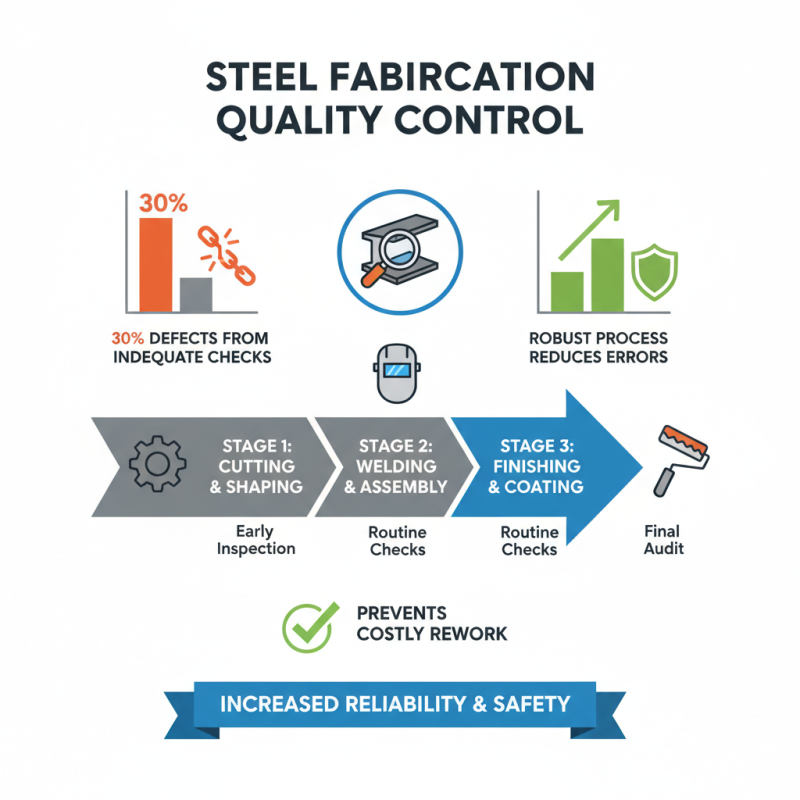
Quality control is a crucial aspect of steel fabrication projects. According to industry reports, nearly 30% of fabrication defects stem from inadequate quality checks. Implementing a robust quality control process can significantly reduce these errors. Routine inspections during different fabrication stages can catch issues early, preventing costly rework.
In a recent study, it was noted that companies that prioritize quality see a 20% reduction in production delays. Regular training for staff on quality standards is essential. Many errors arise from a lack of understanding or knowledge about specifications. Short, focused training sessions can address this.
Documentation plays a vital role too. Maintaining clear records of inspections and tests is necessary for accountability. Yet, many companies struggle with organization. Inconsistent documentation can lead to misunderstandings and project setbacks. Adopting a systematic approach to quality documentation can alleviate these issues and enhance project success.
Safety Protocols and Compliance in the Steel Fabrication Industry
In the steel fabrication industry, safety protocols are paramount. Studies show that nearly 40% of workplace injuries occur in manufacturing. This statistic highlights the pressing need for stringent safety measures. Companies must prioritize training sessions on equipment handling. Every employee should know the correct usage of tools and personal protective equipment.
Compliance with regulations is non-negotiable. Organizations should stay updated on OSHA standards. Failing to meet these can result in heavy fines. In 2021, violations related to safety accounted for over $3 billion in penalties across the industry. Effective communication of safety protocols is essential. Clear signage and regular drills can reinforce proper practices.
Despite these efforts, many companies still struggle with safety culture. A recent survey indicated that 25% of workers felt unsafe on the job. This gap shows the necessity for continuous improvement in safety protocols. Regular feedback loops between management and staff can identify areas needing attention. Creating a robust safety environment is an ongoing process.
Essential Tips for Steel Fabrication Success: Safety Protocols and Compliance