Why is Metal Fabrication Essential for Modern Industry?
In today's fast-paced world, metal fabrication plays a vital role in modern industry. It encompasses various processes that shape and assemble metals. This includes cutting, bending, and assembling metal structures. Without metal fabrication, many industries would struggle to function effectively.
The automotive and aerospace sectors rely heavily on metal fabrication. Precision parts are essential for safety and performance. However, the increasing demand often leads to challenges. Manufacturers face pressure to produce high-quality components quickly. This is not always easy to achieve. Mistakes can be costly and impact safety.
Moreover, sustainability is a growing concern in metal fabrication. Companies must balance efficiency with environmental responsibility. This can lead to difficult decisions about materials and waste. As industries evolve, the art of metal fabrication must also adapt. It reflects innovation and the need for continuous improvement.
The Role of Metal Fabrication in Technology Advancement
Metal fabrication plays a crucial role in advancing modern technology. It involves shaping and assembling metal parts to create essential machinery and tools. According to a report by IBISWorld, the metal fabrication industry generates over $100 billion in revenue annually in the U.S. alone. This sector is a backbone for industries like automotive, aerospace, and construction, which rely heavily on precision-engineered metal components.
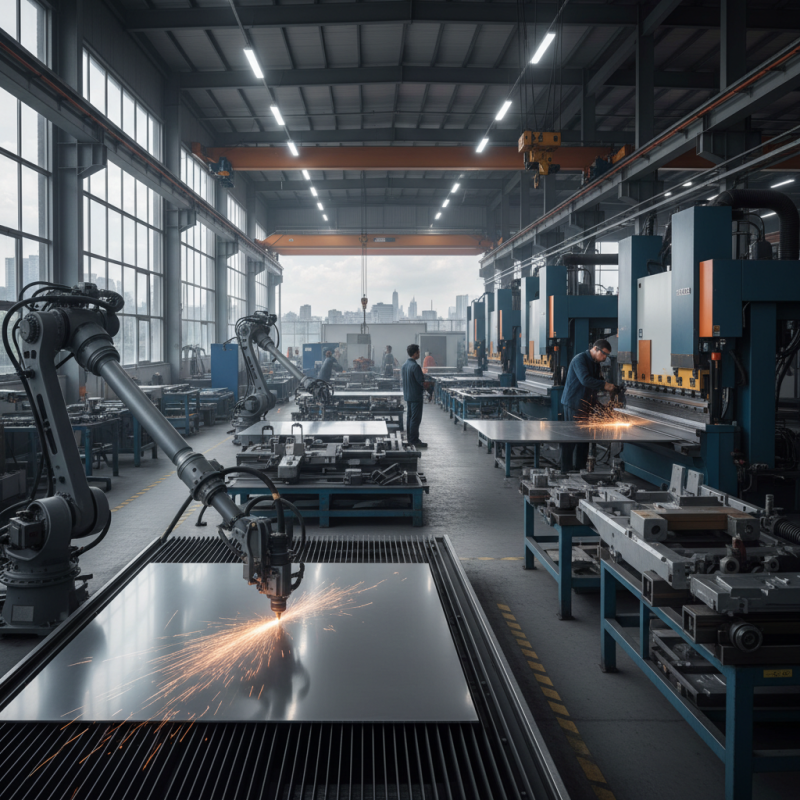
Innovations in fabrication techniques have accelerated advancements in technology. Automated processes such as laser cutting and robotic welding enhance efficiency and accuracy. The same report indicates that 20% of companies in this field are adopting advanced manufacturing technologies. Yet, challenges persist. Not all fabricators have transitioned to modern methods, leaving room for improvement. Traditional techniques still dominate some segments, leading to inconsistencies in quality and production speed.
Manufacturers must balance cost, quality, and speed. The pursuit of automation can overlook essential skills within the workforce. As the industry evolves, a skilled labor force is vital. A lack of training could hinder growth. Companies need to invest in upskilling workers to adapt to new technologies. Otherwise, they risk falling behind in this fast-paced industry.
Why is Metal Fabrication Essential for Modern Industry? - The Role of Metal Fabrication in Technology Advancement
| Aspect |
Description |
Importance in Modern Industry |
| Precision Engineering |
Metal fabrication allows for precise cutting, shaping, and assembly of metal components. |
Crucial for high-tech industries such as aerospace and automotive. |
| Custom Solutions |
Fabrication techniques are used to create custom designs tailored to specific functions. |
Essential for meeting unique client needs and advancing product innovation. |
| Material Diversity |
Utilizes a variety of metals and alloys, enhancing application versatility. |
Supports advancements in fields such as construction, electronics, and medical devices. |
| Sustainability |
Recycling and efficient use of metal resources reduce waste. |
Aligns with eco-friendly practices and regulations in modern manufacturing. |
| Automation |
Integration of robotics and CNC machines streamlines production processes. |
Enhances efficiency and reduces labor costs in manufacturing settings. |
Key Industries Reliant on Metal Fabrication Processes
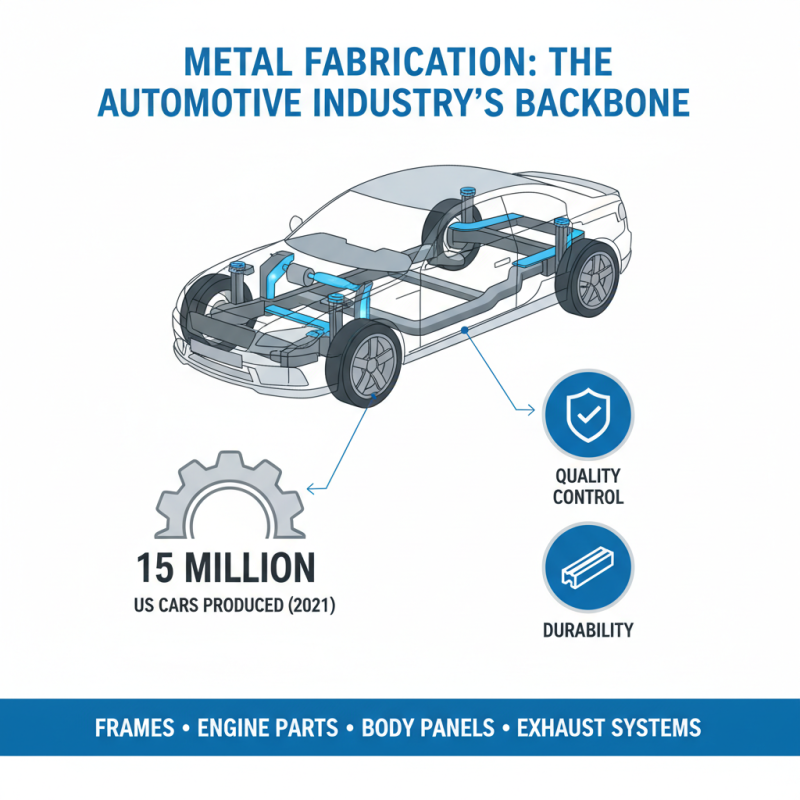
Metal fabrication plays a crucial role in various key industries today. The automotive industry heavily relies on metal fabrication. In 2021, about 15 million cars were produced in the United States alone. Each vehicle contains numerous fabricated metal components, from frames to engine parts. This underscores how essential metal fabrication is for quality control and durability.
The aerospace industry is another area where metal fabrication is vital. According to a 2022 market report, the aerospace metal fabrication market is expected to reach $18 billion by 2026. High-strength materials are needed to keep aircraft lightweight yet strong. The precision in this process is critical. Any errors can lead to serious safety concerns.
Unfortunately, the workforce in metal fabrication faces some challenges. Skilled labor is not easy to find. Many experienced fabricators are retiring, and there aren’t enough new workers to replace them. This gap can affect quality and productivity. As industries grow more reliant on these processes, addressing the skills shortage becomes increasingly important. Companies must invest in training programs to ensure they have the workforce needed for the future.
Common Techniques Used in Metal Fabrication
Metal fabrication is a cornerstone of modern manufacturing. It involves various techniques that shape and assemble metal structures. The most common methods include welding, cutting, and bending. According to a report from IBISWorld, the metal fabrication industry has grown steadily, reporting an annual growth rate of around 2.5% over the past five years. This growth showcases the industry's crucial role across many sectors.
Welding is key in metal fabrication, linking components and creating strong bonds. Different types of welding exist, like MIG and TIG, each serving unique purposes. Cutting techniques, such as laser and plasma cutting, offer precision that is vital for intricate designs. Laser cutting, for instance, can achieve tolerances under 0.1 mm. Bending is commonly done using press brakes, shaping metal sheets with accuracy. An estimated 30% of fabricators face challenges with achieving uniform bends, pointing to the need for advanced technologies.
Despite the industry's advancements, not all processes are efficient. Human error remains a significant factor affecting production quality. Many fabricators struggle with maintaining consistent quality in their output. Continued investment in training and technology could enhance these areas. The modern industry must balance efficiency with the skill set of its workforce.
Common Techniques in Metal Fabrication
Benefits of Metal Fabrication for Custom Manufacturing
Metal fabrication plays a vital role in modern manufacturing. It allows businesses to create unique components tailored to specific requirements. This customization leads to improved product performance and efficiency.
Custom metal fabrication can reduce waste. By designing parts that fit precisely, companies minimize excess materials. However, this process can be complex. Not every design turns out as planned. Sometimes, prototypes reveal flaws that need reevaluation. Adjustments are necessary, but they can add time and cost.
On the other hand, the flexibility of metal fabrication is a huge advantage. It enables manufacturers to adapt quickly to market demands. Shorter production runs become feasible. This adaptability helps businesses stay competitive. Still, challenges persist. Ensuring quality while meeting tight deadlines is a constant struggle. Balancing speed and craftsmanship often requires careful planning.
Future Trends in Metal Fabrication and Industry Innovation
Metal fabrication plays a vital role in contemporary industry. As technology evolves, so do the techniques used in metal fabrication. Automation and robotics are becoming increasingly integrated into the process. Machines now handle repetitive tasks, increasing precision and efficiency. However, there are challenges. Not all industries can afford this technology. Smaller companies often struggle to keep pace.
Sustainability is another critical trend. The demand for eco-friendly practices continues to grow. More manufacturers are exploring recycling methods. Innovations in material science are also noteworthy. New alloys can enhance durability while reducing weight. This shift can lead to better fuel efficiency in transportation sectors.
Despite these advancements, gaps persist in skilled labor. Training programs need to adapt quickly. There is a constant need for workers who understand both traditional and modern techniques. Industry leaders must prioritize education. Collaboration between businesses and educational institutions is essential. Only by addressing these issues can metal fabrication truly thrive in the future.