Precision machining is at the forefront of manufacturing innovation. This technique plays a critical role in producing high-quality components. By focusing on precision, businesses enhance efficiency and reduce waste.
However, mastering precision machining is not without its challenges. Many companies struggle with maintaining consistency. Unforeseen errors in measurements can lead to costly reworks. Skills can degrade over time due to lack of practice or training.
To improve, one must regularly assess their machining processes. Identifying weak points is essential. This investigation can reveal opportunities for better techniques and tools. Embracing a mindset of continuous improvement can foster growth. In an industry where every detail counts, committing to excellence in precision machining is vital.
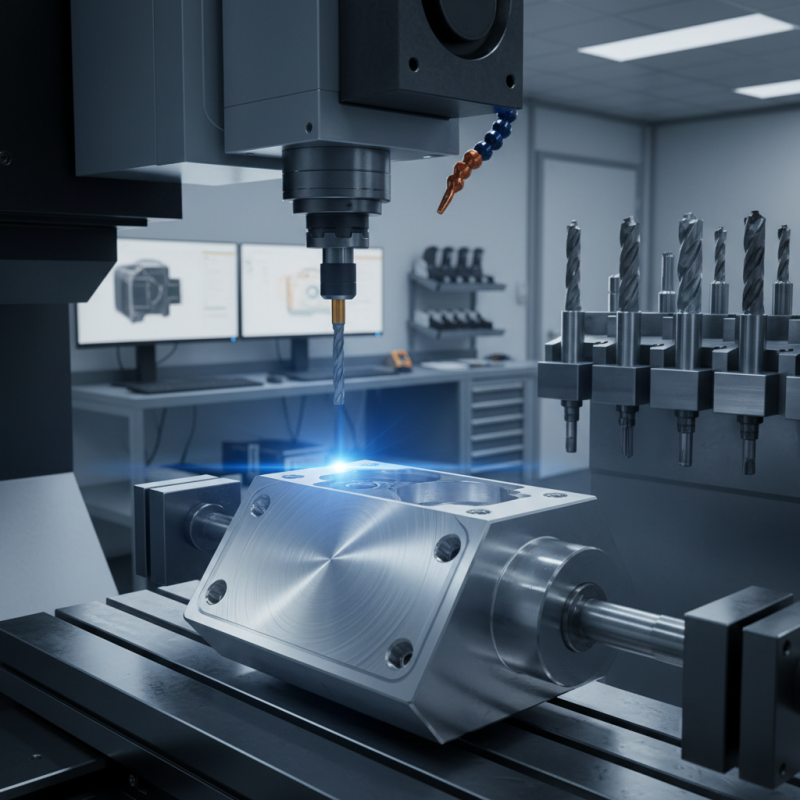
Precision machining is vital for creating parts with tight tolerances. Techniques like CNC milling and turning are widely used in the industry. They allow for intricate designs and highly accurate results. Understanding the key principles can help improve efficiency. It begins with proper measurements, ensuring that tools are sharp and calibrated. Maintaining equipment is crucial; neglected machines lead to errors and waste.
Another essential principle is feed rate. Adjusting this can significantly impact production speed. However, too high a feed can compromise quality. Balancing speed and precision takes experience. Operators often struggle with this. They may push boundaries to increase output. Yet, it’s important to consider the quality of the finished product. Continuous learning can prevent costly mistakes. Observing the process and refining techniques can lead to better results over time.
Precision machining demands attention to detail. Every small adjustment can lead to a more efficient process. It’s about mastering the art of making tiny changes for better outcomes. Machines might break down, leading to downtime and frustration. Operators need to remain patient and flexible. Embracing imperfections can eventually lead to growth and improved skill.
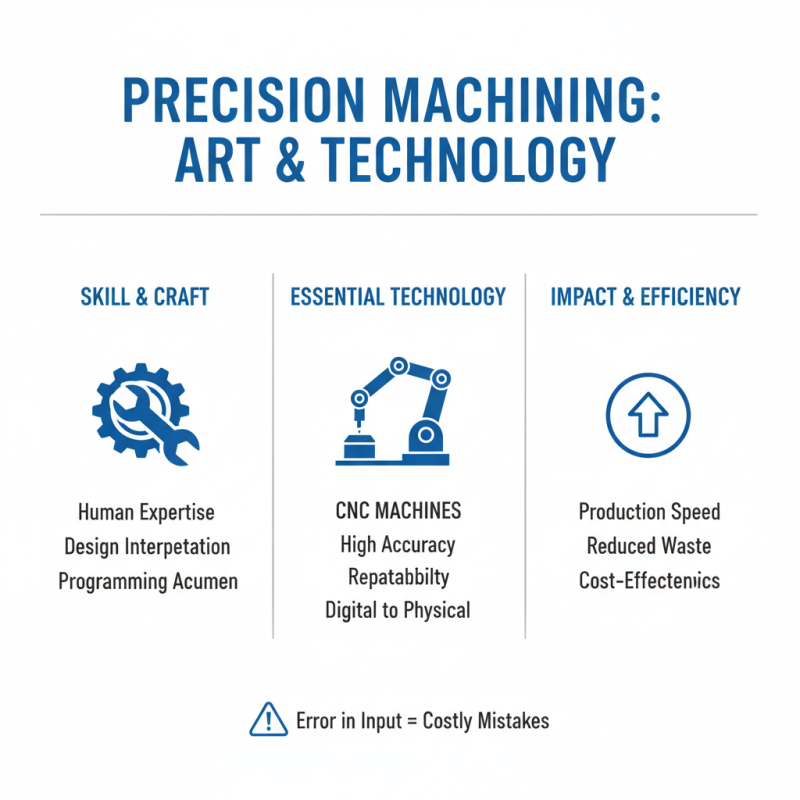
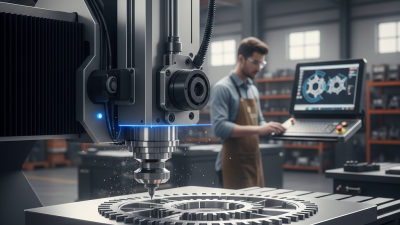
Precision machining is an art that combines skill with the right tools. Mastering this craft requires essential technologies. CNC machines are leading examples, offering high accuracy and repeatability. They can transform a digital design into a physical part, providing efficiency in production. Operators must understand programming for these machines. Mistakes in input can lead to costly errors.
Tooling is also vital. Carbide and high-speed steel tools provide different benefits. Choosing the right tool affects both quality and lifespan. Cutting fluids can enhance performance but require careful selection. Incorrect fluids might lead to poor finishing.
Every craftsman faces challenges in the workshop. Sometimes, it’s difficult to achieve that perfect cut. Tool wear and machine calibration require constant attention. Reflection on previous projects can highlight improvement areas. Embracing these imperfections can lead to greater mastery in precision machining.
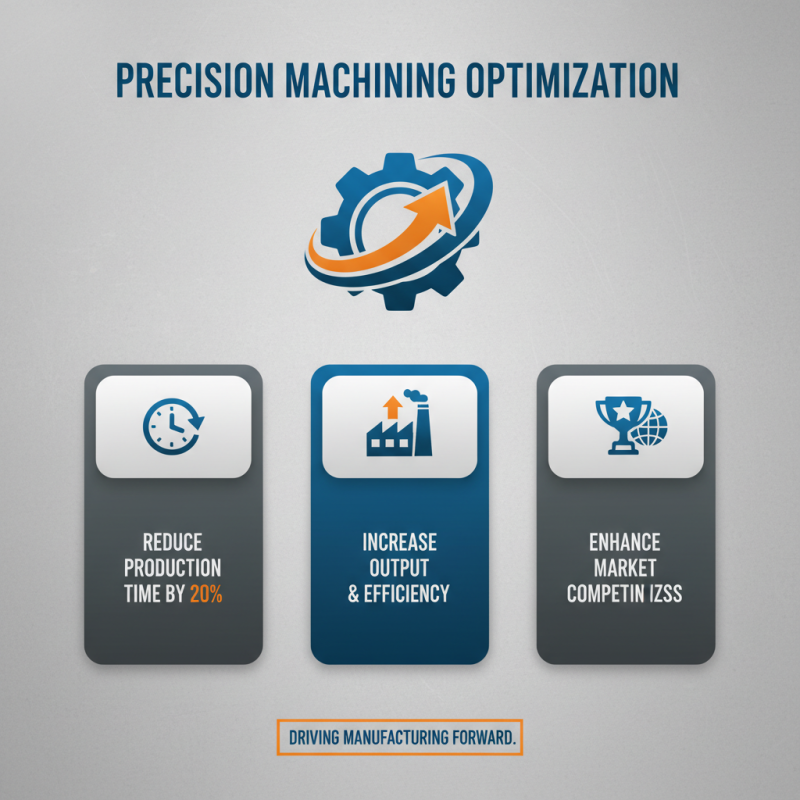
Precision machining is crucial in today’s manufacturing landscape. Optimizing machining processes can drive significant improvements in efficiency. According to recent industry reports, effective optimization can reduce production time by up to 20%. Lowering cycle times increases output and enhances competitiveness in various markets.
Tips: Analyze your workflow consistently. Identify bottlenecks. This step often uncovers hidden inefficiencies. Regular maintenance of machinery is also vital. Even minor issues can lead to wasted time and resources.
Consider implementing advanced technologies like CNC machines. These tools can increase precision dramatically and reduce waste. A study noted that automation can enhance productivity by approximately 30%. However, transitioning to automated systems requires substantial upfront investment and training. These factors can deter some companies.
Tips: Train your workforce regularly. A skilled team can adapt better to new technologies. Additionally, gather feedback from employees on potential improvements. They often see issues that management does not. Inviting input fosters a culture of continuous improvement.
Quality control in precision machining is critical for achieving high standards. One study found that 47% of manufacturing defects arise from inadequate quality checks. This shows the importance of a structured QC process. Implementing regular inspections can reduce errors. A well-planned approach ensures parts meet specifications consistently.
Another aspect is the role of feedback loops in QC practices. Data from ASQ indicates that companies with effective feedback systems improve production efficiency by 30%. These systems help identify and rectify issues early in the machining process. Real-time data analysis enhances decision-making and reduces waste.
Mistakes still occur, often due to inadequate training. A survey showed that 25% of machinists felt unprepared for quality assessments. Investing in staff training is vital. Without skilled personnel, even the best machinery will underperform. Emphasizing ongoing education can lead to fewer errors and higher quality products. Addressing training gaps can profoundly impact overall efficiency.
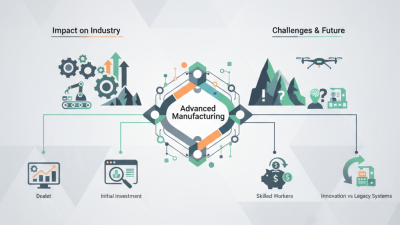
In the evolving world of precision machining, understanding future trends is crucial for continuous improvement. Automation and robotics are reshaping the landscape. These technologies can reduce human error, speed up processes, and enhance productivity. However, embracing automation involves a learning curve. Skilled workers are needed to operate and maintain advanced machinery. This creates a demanding yet exciting environment for those in the field.
Tips: Invest time in upskilling your team. Regular training workshops can enhance their ability to handle new technologies effectively.
Sustainability is another key trend. The industry is shifting towards eco-friendly materials and processes. Adopting green practices not only benefits the planet but can also attract environmentally conscious clients. Some companies struggle to balance efficiency and sustainability. It’s a challenge that requires ongoing reflection and adaptation.
Tips: Consider implementing a waste-reduction program. Small changes can lead to significant improvements over time. Remember, success in precision machining lies in the details.
Arsun Engineers is the well-known manufacturer, exporter, and supplier of highly operational machines.