How to Master Precision Engineering Techniques for Enhanced Accuracy?
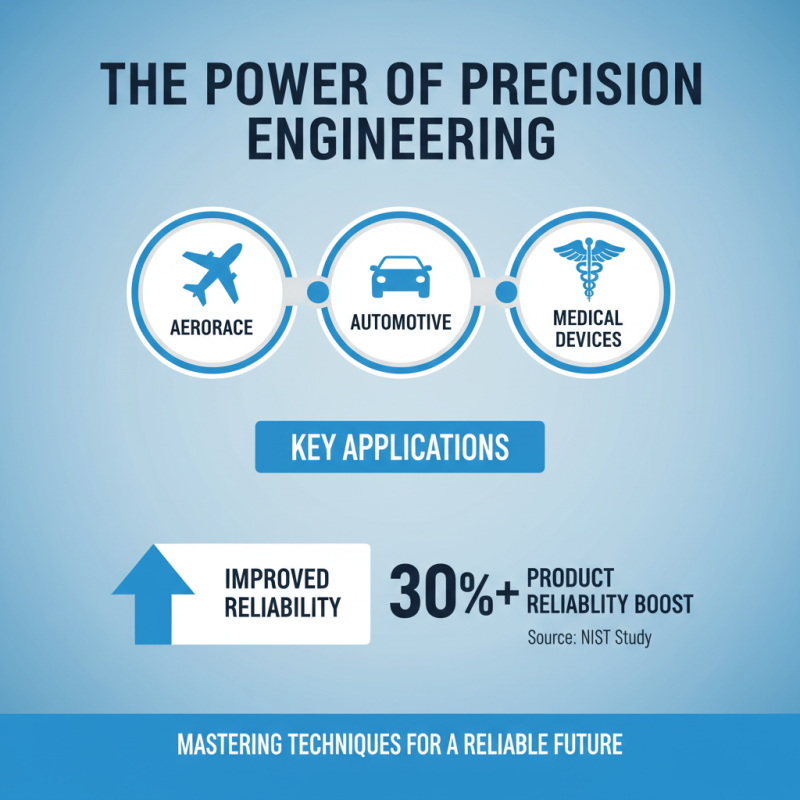
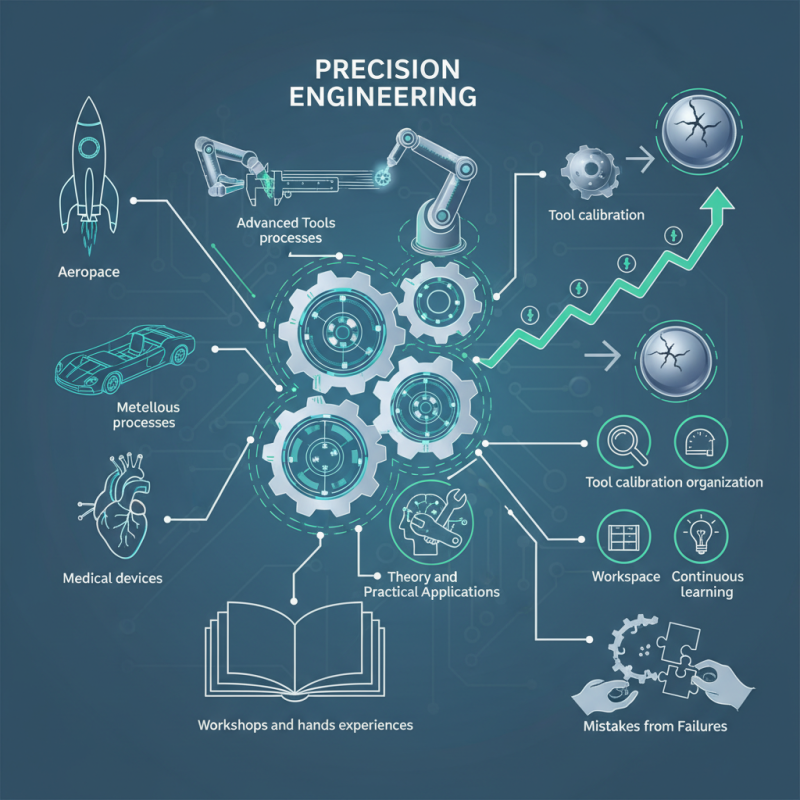
Precision engineering is essential in various fields, such as aerospace, automotive, and medical devices. It focuses on achieving high accuracy and reliability in manufacturing systems. The techniques often involve advanced tools and meticulous processes. A skilled engineer must understand both theory and practical applications.
Achieving proficiency in precision engineering is challenging. Common difficulties include mastering tool calibration and workspace organization. Small errors can lead to significant defects. Continuous learning is crucial in this area. Workshops and hands-on experiences can help build essential skills. Mistakes often provide valuable insights.
Exploring precision engineering techniques opens up new possibilities. By honing these skills, one can enhance product quality and performance. It's a journey of constant improvement. Embracing imperfection and learning from failures lead to success in precision engineering.
Understanding the Basics of Precision Engineering: Key Concepts and Techniques
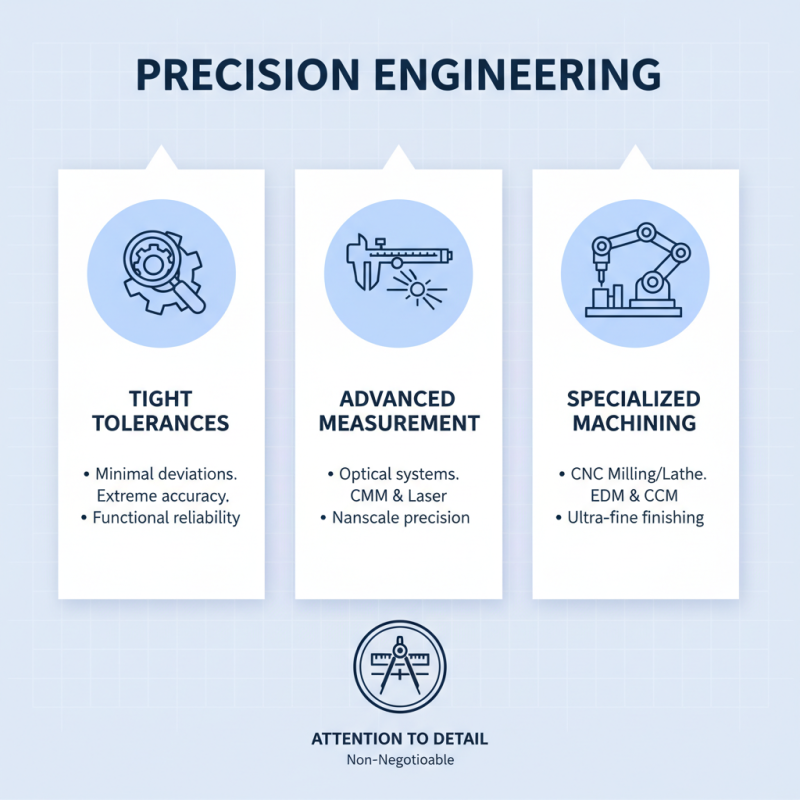
Precision engineering is a field focused on achieving the highest levels of accuracy in manufacturing and design. Understanding key concepts is vital for engineers who aspire to master this discipline. Core techniques include tight tolerances, advanced measurement systems, and specialized machining methods. In this domain, attention to detail is non-negotiable.
Tips: Start by familiarizing yourself with the basics of measurement tools. Calipers and micrometers are essential for fine measurements. Learn how to use them effectively. Regular practice will lead to sharper skills.
Another crucial aspect is the choice of materials. The right materials can significantly impact the precision of a project. Sometimes, even minor variations can cause major issues. Experiment with different materials and observe the results on accuracy.
Tips: Keep a log of projects. Reflect on what worked and what didn’t. This practice helps identify patterns and areas for improvement. Don't hesitate to revisit previous designs for enhancements.
Essential Tools and Technologies for Precision Engineering Mastery
Precision engineering relies heavily on essential tools and technologies. These tools shape the industry by improving accuracy. Among the most critical are CNC machines, precision measuring instruments, and advanced CAD software. According to a recent industry report, CNC machines enhance production efficiency by up to 25%. They allow for consistent and repeatable machining. However, operators must be highly skilled to leverage their full potential.
Precision measuring instruments, such as micrometers and coordinate measuring machines (CMM), provide vital data for quality control. The industry data reveals that companies using advanced measuring techniques report a 30% reduction in errors. This improvement stems from the ability to detect issues early in the production process. Yet, many engineers overlook the frequent calibration of these tools, leading to potential inaccuracies.
CAD software is another pivotal technology. It enables engineers to design and simulate before physical production. Research indicates that adopting advanced CAD tools can cut design time by 40%. However, the learning curve can be steep. Many professionals often feel overwhelmed, and some fail to fully utilize these features. This results in missed opportunities for optimization. Ultimately, mastering precision engineering requires not only the right tools but also a commitment to continual learning and adaptation.
Mastering Precision Engineering Techniques for Enhanced Accuracy
This chart illustrates the effectiveness of various precision engineering techniques in achieving enhanced accuracy. Each technique is evaluated based on its application effectiveness, measured in percentage.
Analyzing Tolerances: The Role of GD&T in Precision Engineering
Geometric Dimensioning and Tolerancing (GD&T) plays a vital role in precision engineering. It offers a clear language for engineers and machinists. This system defines how parts fit together. It emphasizes the importance of tolerances in a project. Tolerances account for variations in manufacturing processes. They help ensure that parts meet specific performance standards.
Understanding GD&T can be challenging. Many engineers struggle with its symbols and rules. Misinterpretations can lead to costly mistakes. Engineers must invest time in learning this system. Knowledge of GD&T improves the design process. It allowing better communication among team members. Effective use of GD&T reduces errors in production.
Precision engineering demands attention to detail. Small miscalculations can result in significant issues later. Engineers should regularly review and refine their tolerance specifications. Experimenting with different approaches can lead to better results. Adopting a mindset focused on continuous improvement is essential. This approach helps achieve higher accuracy in engineering projects.
Implementing Quality Control Measures for Enhanced Accuracy in Precision Engineering
Quality control is essential in precision engineering. Implementing robust measures can significantly enhance accuracy. According to a report from the International Journal of Precision Engineering, nearly 70% of manufacturing defects stem from insufficient quality checks. Regular audits and inspections help identify gaps in processes, allowing for timely corrections.
Employee training is equally vital. Techniques from Six Sigma can improve awareness among staff. A study found that companies adopting Six Sigma reported a 50% reduction in errors. Highlighting the importance of continuous education is crucial. Many workers lack understanding of precision tools and machines. This knowledge gap can lead to costly mistakes.
Investing in technology aids quality control, but it requires careful consideration. Advanced tools offer high precision levels but can overwhelm teams. Striking a balance between innovation and usability is critical. Frequent feedback mechanisms can help gauge employee comfort with new technologies. Ignoring team perspectives may lead to decreased accuracy in engineering practices.
Real-World Applications of Precision Engineering: Case Studies and Data Insights
Precision engineering plays a crucial role in various industries. Its applications can be seen in aerospace, automotive, and medical devices. A recent study from the National Institute of Standards and Technology indicates that improving precision can enhance product reliability by over 30%. This statistic underscores the importance of mastering these techniques.
For instance, the aerospace sector often employs precision machining. A case study revealed that implementing advanced CNC (Computer Numerical Control) processes minimized errors to less than 0.01 mm. However, many companies still struggle with consistency. Data shows that 25% of engineering teams report challenges in maintaining this level of accuracy due to outdated tools.
The medical sector also benefits significantly from precision engineering. Surgical instruments must meet rigorous standards. According to a report by the Medical Device Innovation Consortium, 20% of devices fail testing due to precision-related issues. Investing in better calibration methods could mitigate these failures. Yet, many organizations overlook the need for regular updates and assessments, leading to costly repercussions.