Why Choose Hydraulic Jacking Pile for Your Construction Projects?
In modern construction, the choice of foundation techniques can significantly impact project success. The hydraulic jacking pile is gaining attention for its efficiency and effectiveness. This method involves driving piles into the ground using hydraulic pressure, which minimizes disruption to surrounding soil and structures.
Hydraulic jacking piles are particularly advantageous in urban settings. They allow for the creation of deep foundations with minimal noise and vibration. This is crucial when working near existing buildings or infrastructure. However, using hydraulic jacking piles requires careful planning and skilled operators. The technology can be complex, and errors may lead to foundation inadequacies.
Considering hydraulic jacking piles may raise questions about cost versus benefits. While initial investments can be high, their long-term performance often justifies the expense. The durability and load-bearing capacity they offer outpace traditional methods in many cases. A well-executed installation can lead to a robust foundation, but miscalculations can compromise structural integrity. This balance of potential advantages and pitfalls underscores the need for expertise in choosing hydraulic jacking piles for your next construction project.
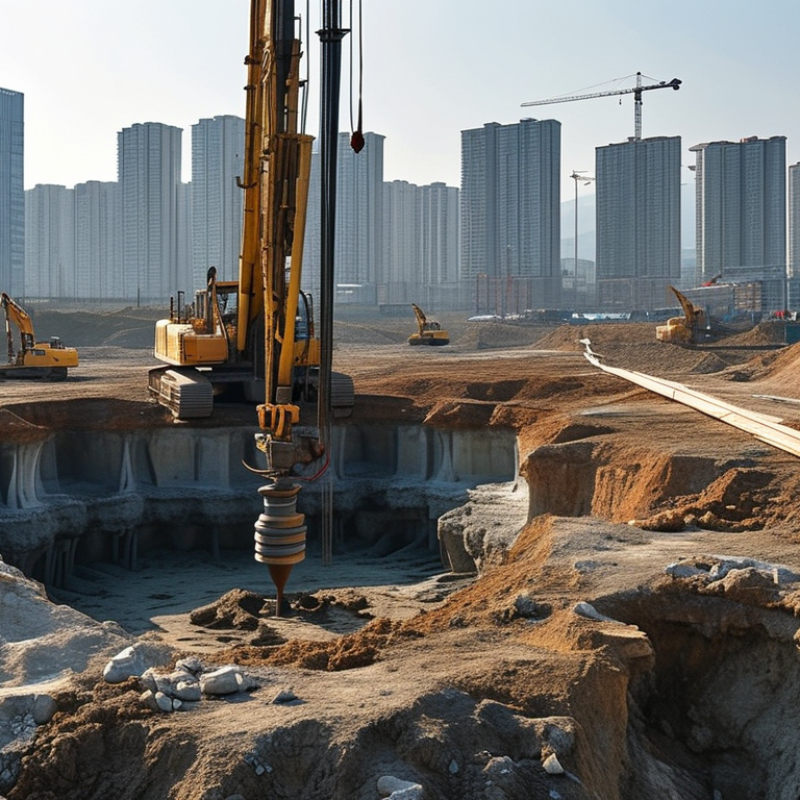
Benefits of Hydraulic Jacking Piles in Modern Construction
Hydraulic jacking piles are making waves in modern construction. They offer several advantages that are hard to overlook. One significant benefit is their ability to handle high loads. According to industry reports, hydraulic jacking piles can bear loads up to 1,200 kN. This makes them particularly suitable for heavy structures like bridges and skyscrapers.
Another important advantage is their minimal noise and vibration during installation. Unlike traditional piling methods, hydraulic jacking ensures a quieter worksite. This feature is vital in urban areas where noise regulations are strict. Research indicates a 30-50% reduction in noise levels compared to conventional piles, which can facilitate smoother project completion in sensitive environments.
However, the installation process is not without challenges. It requires precise planning and specialized equipment, which can increase initial costs. Additionally, improper installation may lead to issues such as soil displacement. Addressing such concerns is crucial for maximizing the benefits of hydraulic jacking piles. A thorough understanding of site conditions and expert oversight during the installation can mitigate these potential drawbacks.
Benefits of Hydraulic Jacking Piles in Modern Construction
Understanding the Mechanism of Hydraulic Jacking Piles
Hydraulic jacking piles are increasingly popular in construction projects. Their effectiveness stems from a unique mechanism that enhances stability and load-bearing capacity. When hydraulic pressure is applied, these piles can penetrate through various soil types. This mechanism allows for precise control during installation, reducing vibrations and disturbances in surrounding areas. According to a recent study by the International Journal of Geotechnical Engineering, hydraulic jacking piles showed a 25% improvement in load capacity compared to traditional methods.
Understanding the mechanics of hydraulic jacking piles requires knowledge of soil dynamics. The jacking process involves applying hydraulic force to drive the pile deeper into the ground. This minimizes the need for extensive excavation. It is crucial to assess soil conditions before installation. Some sites may present challenges, such as high water tables or rocky terrain. A field study indicated that well-planned projects could achieve up to 30% cost savings over traditional piling methods.
Tip: Always conduct thorough soil testing before deciding on hydraulic jacking piles. Adjusting your approach based on soil conditions leads to better outcomes. It’s also essential to involve experienced professionals. Their expertise can navigate potential challenges, ensuring your project runs smoothly.
Comparison of Hydraulic Jacking Piles and Traditional Piling Methods
Hydraulic jacking piles offer distinct advantages over traditional piling methods. Unlike driven piles, which rely on heavy machinery, hydraulic jacking piles are installed using hydraulic pressure to push the pile into the ground. This results in less noise and vibration, reducing disturbances to the surrounding area. In urban settings, this method is often preferable due to strict regulations on noise.
Traditional methods can create issues such as soil displacement and surface damage. Hydraulic jacking minimizes these concerns by applying pressure gradually. This technique is particularly effective in areas with compromised ground conditions. Furthermore, it allows for precise depth control, ensuring that the piles reach their intended capacity without overshooting.
Despite their benefits, hydraulic jacking piles have limitations. The equipment required can be expensive, and skilled operators are necessary. If not executed correctly, soil movement may still occur. It is essential to assess site conditions thoroughly before choosing this method. Engaging experienced professionals can mitigate risks and enhance project outcomes significantly.
Applications of Hydraulic Jacking Piles in Various Construction Projects
Hydraulic jacking piles have gained traction in various construction projects due to their unique capabilities. These piles are especially effective in areas with limited access. For urban development, they minimize vibration and noise, protecting nearby structures. This technique is useful for both residential and commercial projects, where space is at a premium.
In marine construction, hydraulic jacking piles support docks and bridges. Their ability to penetrate challenging soil conditions allows for increased load capacity. However, site assessments are crucial. Failing to evaluate the soil properly can lead to complications. In geotechnical applications, the accuracy of jacking varies. Some projects may require re-evaluation if initial estimations prove incorrect, impacting timelines and budgets.
While hydraulic jacking piles are reliable, proper training for operators is essential. Untrained personnel can compromise the installation process. Continuous monitoring during the jacking process ensures stability. In many cases, adjusting strategies mid-project is beneficial. Flexibility in approach can help mitigate unforeseen challenges that arise.
Why Choose Hydraulic Jacking Pile for Your Construction Projects? - Applications of Hydraulic Jacking Piles in Various Construction Projects
| Project Type | Location | Pile Diameter (mm) | Depth (m) | Load Capacity (kN) |
| High-rise Building | New York, USA | 600 | 25 | 1800 |
| Bridges | London, UK | 450 | 30 | 1500 |
| Industrial Structures | Shanghai, China | 500 | 20 | 2000 |
| Residential Buildings | Sydney, Australia | 300 | 15 | 1200 |
| Marine Construction | Dubai, UAE | 700 | 35 | 2500 |
Cost Efficiency and Sustainability of Hydraulic Jacking Piling Solutions
Hydraulic jacking piles are gaining traction in construction due to their cost efficiency and sustainability. Recent industry reports indicate that this method can reduce costs by 20-30% compared to traditional piling techniques. The use of hydraulic jacking minimizes noise and vibration, creating less disruption on construction sites. This aligns with the growing trend towards environmentally friendly practices in the construction sector.
Efficiency is not just about initial costs. Hydraulic jacking piles often require fewer materials. A study by the Construction Industry Institute (CII) suggests that using this technique can lead to a 15% reduction in carbon footprint. This stands out in an industry where sustainability is becoming critical. However, it’s important to note that while hydraulic jacking is advantageous, careful site assessment is crucial. Site conditions may affect outcomes, potentially leading to unexpected challenges.
Tips for implementation: Assess soil conditions thoroughly before choosing this method. Consider pilot projects to evaluate performance on smaller scales. Regular training for staff using hydraulic jacking equipment is vital to ensure safety and efficiency. Inadequate training can lead to costly mistakes. Taking these steps can significantly enhance the benefits of hydraulic jacking piles in construction.
