10 Essential Tips for Using Dissolved Air Flotation System?
Dissolved Air Flotation Systems (DAF) have gained popularity in wastewater treatment. According to a recent report by Global Industry Analysts, the DAF market is projected to reach $5 billion by 2027. This growth reflects increased awareness of water quality and environmental regulations. Experts highlight the system’s effectiveness in removing suspended solids and oils.
Dr. Jane Smith, a leading expert in wastewater engineering, emphasizes, “DAF systems are crucial for modern treatment processes.” Her insights underscore the importance of optimizing these systems. However, successful implementation requires proper knowledge and maintenance.
Many users struggle to understand the intricacies of DAF systems. They may overlook factors like pressure settings and chemical use. Addressing these issues is vital for maximizing performance. Regular training and evaluation can lead to better outcomes. Ultimately, investing time in understanding DAF systems is essential for sustainable water management.
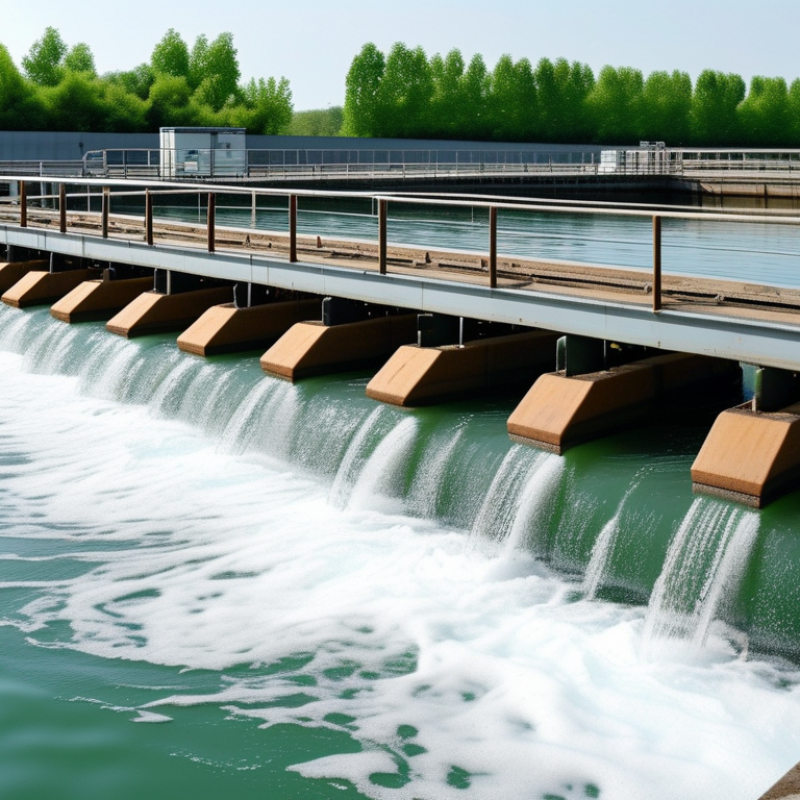
Understanding the Basics of Dissolved Air Flotation Systems
Dissolved Air Flotation (DAF) systems play a vital role in wastewater treatment. They separate suspended solids and oils from water effectively. These systems utilize air bubbles to lift particles to the surface. In industrial settings, using DAF systems can reduce chemical usage by up to 30%. This type of system is essential for industries like food processing and petrochemicals, where wastewater needs efficient treatment methods.
Understanding the mechanics of DAF is crucial. Air is dissolved into water under pressure and then released. The sudden drop in pressure causes micro-bubbles to form. These tiny bubbles adhere to solid particles, causing them to float. Studies show that DAF systems can achieve up to 95% removal efficiency for suspended solids in optimal conditions. However, performance can fluctuate due to variations in influent quality. Understanding the influent composition and adjusting the DAF operation parameters can lead to better results.
One common challenge involves bubble size and distribution. If bubbles are too large, they may not effectively carry solids to the surface. System operators need to routinely monitor and optimize the conditions to ensure effective operation. Additionally, addressing potential fouling of the DAF unit is necessary. This is often overlooked, leading to decreased efficiency over time. DAF systems offer a promising solution, but operators must stay vigilant to maximize their potential.
Key Components of a Dissolved Air Flotation System
Dissolved Air Flotation (DAF) systems play a significant role in wastewater treatment. Understanding the key components of a DAF system is essential for effective operation. The heart of the system is the float tank, where the flotation process occurs. Air is introduced to the wastewater, creating micro-bubbles. These bubbles attach to suspended solids, bringing them to the surface.
Another critical element is the air saturation system. It ensures that the water is saturated with air before introduction into the float tank. This process can be complex and requires precise control. A submersible pump is often utilized to achieve the ideal saturation levels. The recycling flow rate is vital; too low may cause inefficiency, while too high can disrupt the flotation process.
The skimmer is also important. It collects the floated solids from the surface of the tank. Improper skimming can lead to a buildup of solids, hindering system performance. Regular maintenance of the skimmer is necessary, but it's often overlooked. Ensuring effective operation demands attention to these details. Each component works together, but they require continuous monitoring.
Operational Best Practices for Improved Efficiency
Dissolved Air Flotation (DAF) systems are vital for various industries, especially in wastewater treatment. According to a report by the Water Environment Federation, proper operation can enhance pollutant removal efficiency by up to 90%. To achieve this, operators must understand the intricacies involved in maintaining these systems.
Operational best practices can significantly boost efficiency. Maintaining optimal air saturation levels is crucial. If the air is not correctly saturated, the flotation process won't occur effectively. For instance, an air saturation level below 70% can reduce removal rates. Regular inspection schedules also matter. Operators should check the mechanical components and ensure everything runs smoothly. Studies have shown that maintenance can prevent up to 30% of potential downtime.
Additionally, the quality of influent affects DAF performance. High variations in influent characteristics can disrupt the process. Keeping influent parameters steady improves flotation outcomes. Some operators neglect this aspect, leading to inefficient operations. A previous study indicated that around 25% of DAF failures stem from influent inconsistency. Regular training sessions for personnel can enhance their operational understanding and decision-making capabilities around these systems.
10 Essential Tips for Using Dissolved Air Flotation System
| Tip Number | Tip Description | Expected Benefit |
| 1 | Regular Maintenance | Ensures system reliability |
| 2 | Optimize Air Saturation | Improves flotation efficiency |
| 3 | Pre-treatment Solutions | Enhances particle removal |
| 4 | Monitor Water Quality | Maintains optimal performance |
| 5 | Control Sludge Thickening | Prevents system clogging |
| 6 | Adjust Chemical Dosing | Maximizes treatment efficiency |
| 7 | Regular Operator Training | Improves operational knowledge |
| 8 | Use of Advanced Controls | Enhances automation and monitoring |
| 9 | Evaluate System Load | Prevents overload issues |
| 10 | Implement Routine Checks | Ensures compliance with standards |
Common Troubleshooting Techniques for DAF Systems
Dissolved Air Flotation (DAF) systems are essential for wastewater treatment. However, they can experience various issues that require troubleshooting. One common problem is the improper formation of fluff. This can lead to ineffective separation of solids from liquids. Regularly checking the air saturator for blockages can help fix this issue. Sometimes, the pressure settings need adjustment to ensure optimal flotation.
Another frequent issue involves scum buildup. Neglecting this can cause operational inefficiencies. Inspecting the skimmer often reveals if there’s an accumulation. It is important to regularly clean and maintain these components. Timing the removal of scum can also impact overall performance.
Flotation tank overflow is another concern. It may indicate that the tank is overloaded. Reviewing the flow rates can assist in identifying abnormal levels. Adjusting the influent flow or addressing the solids loading can alleviate this issue. Regular monitoring of these parameters ensures the system runs efficiently.
10 Essential Tips for Using Dissolved Air Flotation System
This chart illustrates the effectiveness of various essential tips for optimizing the performance of Dissolved Air Flotation (DAF) systems. Each tip's effectiveness is presented as a percentage, highlighting areas that can significantly impact overall system performance.
Maintenance Guidelines for Longevity of DAF Equipment
Dissolved Air Flotation (DAF) systems play a crucial role in wastewater treatment. Regular maintenance is vital for the longevity of DAF equipment. Operators should routinely inspect components such as pumps, valves, and flotation tanks. This practice helps identify potential failures before they escalate. Keeping the system clean is essential. Residual sludge can hinder performance and reduce efficiency.
Scheduled maintenance checks should include monitoring air saturation levels. Proper air ratio ensures effective flotation. Ensure the float is functioning correctly. A malfunctioning float can lead to excessive wear on the system. Operators must also monitor chemical dosing systems. Inaccurate dosing can negatively impact separation quality.
Training staff on routine checks is key. Even with expertise, human error can occur. Encouraging a culture of attentiveness can mitigate this risk. Develop a log for tracking maintenance activities. Such documentation can reveal patterns that signal deeper issues. If a problem arises frequently, consider revisiting operational procedures. This reflective approach can enhance the system’s reliability and extend its operational life.
