10 Essential Tips for Optimizing PLC Automation Efficiency
In today's industrial landscape, PLC automation stands as a cornerstone for improving operational efficiency. Recent studies indicate that companies implementing robust PLC systems can achieve up to a 30% increase in productivity. This statistic underscores the need for industries to optimize their PLC automation processes. Many manufacturers, however, struggle with common inefficiencies. Misconfigured systems and outdated hardware can lead to significant bottlenecks.
Moreover, a report from the International Society of Automation highlights that nearly 50% of factories do not leverage their PLC capabilities fully. This gap often stems from a lack of knowledge and investment in training. As automation technology evolves, the challenge remains to keep skill sets updated. Companies must reflect on their current practices and identify areas for improvement. Emphasizing continuous evaluation can lead to lasting enhancements.
Ultimately, optimizing PLC automation requires more than just adopting new technology. It demands a strategic approach that includes regular assessments and a willingness to adapt. By doing so, organizations can pave the way for increased efficiency and productivity throughout their operations.

Understanding PLC Automation: Key Components and Functions
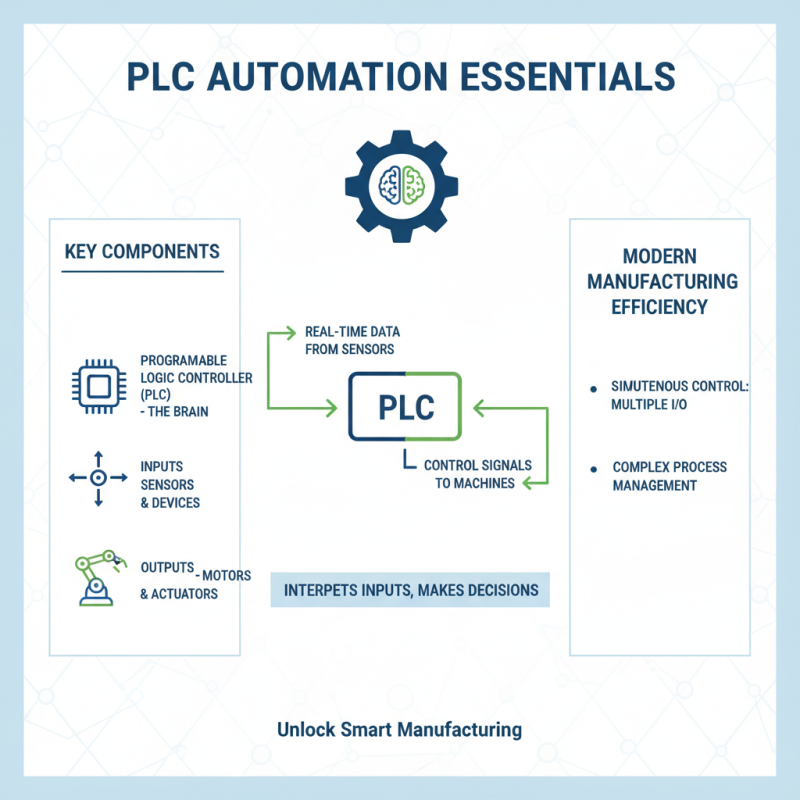
PLC automation is essential for modern manufacturing. Understanding its key components is crucial for efficiency. The programmable logic controller itself is the brain of the system. It interprets inputs from sensors and makes real-time decisions. Each PLC can control multiple inputs and outputs simultaneously, allowing for complex processes.
Another vital component is the human-machine interface (HMI). It allows operators to visualize the processes easily. With intuitive displays, operators can monitor system performance. An HMI can help identify issues quickly. However, not all interfaces are user-friendly. Sometimes, operators struggle to navigate complex menus. This can delay responses to problems.
Lastly, communication protocols link various devices in the system. These protocols ensure that data flows smoothly between components. If communication breaks down, the entire process can halt. It's essential to regularly evaluate these protocols. Sometimes they don't adapt well to new technologies. Regular assessment can reveal gaps that need improvement. Failing to address these gaps can lead to inefficiencies. Understanding these components will empower teams to fine-tune their automation processes.
Recognizing the Importance of System Integration in PLC Efficiency
System integration plays a crucial role in optimizing PLC automation efficiency. By ensuring that all components of an automation system communicate seamlessly, businesses can significantly boost performance. A well-integrated system minimizes delays and misunderstandings between devices. Identifying weak links in this integration is essential. Sometimes, overlooked connections can lead to costly errors.
To enhance system integration, consider implementing a unified interface. This allows for better visibility across various processes. When operators can view all systems in real-time, decision-making becomes faster. Another tip is to regularly update software and hardware. Outdated technology can hinder efficiency and create compatibility issues.
Training staff is also vital. Empowering team members to understand the integration process ensures smoother workflow. Everyone should be aware of how different systems interact. Open communication encourages feedback, which can lead to insights about potential improvements. Remember, a fully optimized PLC system thrives on collaboration and continuous reflection on existing processes.
10 Essential Tips for Optimizing PLC Automation Efficiency
This bar chart illustrates the impact of various system integration strategies on PLC automation efficiency, measured in terms of reduction in downtimes and improvements in production speeds across different industries.
Data-Driven Decision Making: Utilizing Real-Time Analytics in PLCs
Data-driven decision making is crucial in optimizing PLC automation.
Real-time analytics can transform operational efficiency and reduce downtime.
With accurate data at your fingertips, you can identify bottlenecks quickly. This allows for immediate adjustments and improvements.
One essential tip is to integrate advanced sensors into your PLC setup.
These sensors gather critical data that informs you of machine performance.
Regularly analyzing this data helps you understand patterns and predict failures. It’s not just about numbers; context matters.
Knowing when a machine typically runs into issues helps you schedule maintenance proactively.
Another tip is to train your team on data interpretation.
A well-trained team can leverage analytics effectively. They can spot trends and devise better strategies.
However, relying solely on data can lead to oversights. Always combine data insights with human intuition.
Balance is key.
Implementing Predictive Maintenance Strategies to Reduce Downtime
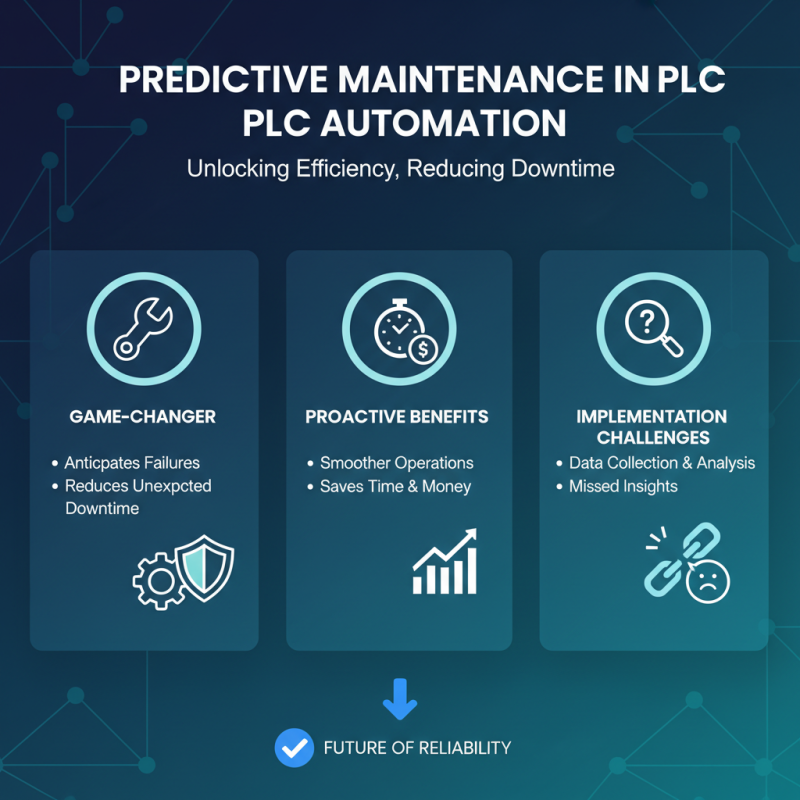
Predictive maintenance is becoming a game-changer in PLC automation. By anticipating failures, companies reduce unexpected downtime. This proactive approach leads to smoother operations, saving both time and money. However, the implementation can be challenging. Many organizations struggle to collect and analyze the right data. They often miss out on useful insights hidden in machine performance metrics.
Identifying the optimal predictive maintenance strategy is crucial. Simple sensors can monitor machinery health in real-time. Yet, some systems rely too heavily on historical data. This dependence can lead to missed signals that indicate trouble. Regularly reviewing data collection methods helps improve accuracy. Small adjustments can make a big difference.
Training personnel in predictive techniques is essential. Workers should understand the tools they use. However, there are gaps in knowledge within teams. Ensuring everyone is on the same page can enhance effectiveness. Taking the time to provide in-depth training pays off in fewer breakdowns and reduced costs. Ignoring this aspect can lead to wasted resources and increased frustration.
Training and Skill Development: Investing in Workforce for Automation Success
Investing in workforce training is crucial for the success of PLC automation. Employees must understand how to operate and troubleshoot automation systems effectively. Workshops and hands-on training can significantly enhance their skills. It creates a more competent workforce, capable of handling complex automation tasks. However, many companies struggle to allocate resources for these training programs. The result is often a knowledge gap, leading to inefficiencies.
When developing training programs, focus on real-world applications. Use simulations that mimic actual production environments. This practical approach helps workers learn faster and retain information better. Feedback from employees about training effectiveness is vital. Without this, organizations may miss key areas needing improvement. Sometimes, training sessions are too theoretical and don’t address daily challenges.
Moreover, ongoing skill development is essential in rapidly evolving automation technology. Companies should encourage a culture of continuous learning. Workers need to feel empowered to seek new knowledge. However, this isn't always the case. Some employees may resist additional training, feeling overwhelmed by daily tasks. Addressing such mindsets can lead to better outcomes in automation efficiency.
10 Essential Tips for Optimizing PLC Automation Efficiency
| Tip No. |
Tip Description |
Expected Outcome |
Implementation Time (Weeks) |
Estimated Cost ($) |
| 1 |
Conduct regular training sessions for staff |
Improved skills and efficiency |
4 |
2000 |
| 2 |
Implement a mentorship program |
Knowledge transfer and teamwork |
6 |
1500 |
| 3 |
Utilize simulation software for practice |
Enhanced problem-solving skills |
3 |
1200 |
| 4 |
Encourage continuous learning and certifications |
Higher competency levels |
8 |
3000 |
| 5 |
Upgrade equipment for better performance |
Increased uptime and productivity |
12 |
5000 |
| 6 |
Establish clear communication channels |
Better collaboration |
2 |
500 |
| 7 |
Monitor key performance indicators (KPIs) |
Data-driven decision making |
5 |
1500 |
| 8 |
Perform regular maintenance checks |
Reduced downtime |
6 |
2000 |
| 9 |
Integrate new technologies (IoT, AI) |
Higher efficiency and innovation |
10 |
8000 |
| 10 |
Foster a culture of feedback and improvement |
Continuous process enhancement |
3 |
600 |