
What Is a Commercial Power Plant and How Does It Work?
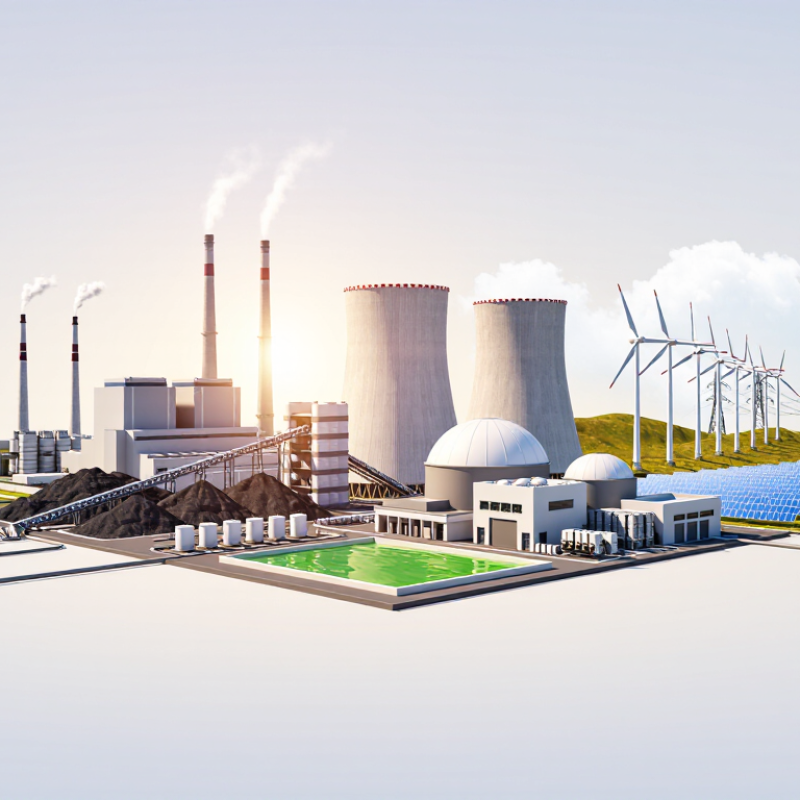
A commercial power plant converts an energy source into electricity for sale to homes, businesses, and public services. It may burn natural gas or coal, split uranium atoms, or capture energy from moving water, wind, or sunlight. The equipment depends on the source, but the goal is similar: generate electricity and deliver it to the grid. No single design fits every site.
The demand is substantial. The International Energy Agency’s Electricity 2024 report estimated that global electricity demand would grow by 3.4% in 2024. In the United States, the Energy Information Administration’s 2023 generation data show natural gas supplied about 43% of utility-scale electricity, with nuclear power providing about 19%. These figures help explain why plants use different technologies and operating schedules. At a thermal plant, fuel heats water, producing steam that spins a turbine connected to a generator. Solar photovoltaic plants work differently: panels convert sunlight directly into electricity. Wind turbines capture energy from moving air. Different paths, same destination.
The process does not end at the generator. Transformers raise voltage for transmission, while operators balance output with changing demand and grid conditions. Cooling systems, fuel handling, emissions controls, and maintenance also shape how a plant performs. Small details matter. A plant’s actual output can vary with weather, equipment outages, fuel supply, and operating limits. And the boundary between a “commercial” plant and other generating facilities is not always tidy; usage can depend on ownership and market context. Understanding the plant means looking beyond its turbines or panels to the systems that make dependable electricity possible.
What Defines a Commercial Power Plant?
A commercial power plant generates electricity for sale or contracted supply to businesses, utilities, or the wider grid. Purpose matters most. Its defining feature is its role in an electricity system, not a particular fuel or capacity. A small solar site can qualify, while a large generator serving one industrial campus may use a different commercial model. Scale alone misleads. The boundary is not always neat.
Inside, turbines, engines, photovoltaic panels, or other generators convert an energy source into electrical power. Transformers raise voltage for transmission, while meters record output and control systems help balance generation with changing demand. Operators track temperatures, vibration, weather, and equipment alarms; a hot bearing or dirty panel can reduce production. Power may flow to a grid, a nearby customer, or both, depending on plant design and connection. This is where the label can mislead: commercial purpose does not guarantee constant output or profit. Wind and solar vary with conditions, and dependable equipment still needs planned maintenance. In practice, the key distinction is a facility managed as part of paid or contracted energy supply. It is more than a machine that makes electricity.
| Dimension | What It Means | How It Works in Practice |
|---|---|---|
| Definition | A commercial power plant is a facility that generates electricity for sale or delivery to customers, businesses, public services, or an electricity network. | It is generally distinguished by its electricity-supply purpose, rather than by one specific fuel or technology. Exact legal definitions vary by jurisdiction. |
| Primary function | The plant converts energy from a source into electrical energy. | Generated electricity may be delivered to a grid, supplied under contract to customers, or used on-site with any surplus exported where permitted. |
| Energy sources | Sources can include natural gas, coal, nuclear fuel, moving water, wind, sunlight, geothermal heat, and biomass. | The source determines the plant’s equipment and operating process. For example, solar photovoltaic panels convert sunlight directly into electricity, while many thermal plants use heat to produce steam. |
| Main conversion equipment | Equipment depends on the technology and may include turbines, generators, photovoltaic modules, inverters, boilers, or water turbines. | A turbine or engine can turn a generator. In a photovoltaic plant, inverters convert the panels’ direct-current output into grid-compatible alternating current. |
| Typical electricity flow | Electricity usually passes from generating equipment through electrical systems before reaching customers or the grid. | Transformers commonly increase voltage for transmission or distribution. Switchgear and protection systems help control power flow and isolate faults. |
| Grid connection | Grid-connected plants must meet applicable technical requirements for safe and reliable operation. | Connection equipment, controls, and protective devices help synchronize or otherwise coordinate the plant’s output with the electrical system. |
| Output and capacity | Capacity describes the maximum electrical power a plant is designed to produce under specified conditions; it is commonly measured in megawatts (MW). | Actual output can be lower than capacity because of maintenance, weather, fuel availability, operating limits, or electricity-system needs. Energy produced over time is measured in megawatt-hours (MWh). |
| Operations and control | Operators monitor generation equipment, electrical output, safety systems, and operating conditions. | Control systems can adjust output when the technology allows. Dispatchable plants can generally be scheduled or adjusted within their operating limits; wind and solar output depends on available natural resources. |
| Cooling and heat management | Some plants need cooling systems to remove waste heat, while others have little or no water-based cooling requirement. | Thermal plants may use cooling towers, water systems, or air cooling. The design affects water use, efficiency, and environmental considerations. |
| Environmental considerations | Environmental effects depend on the plant’s energy source, technology, location, and operating practices. | Assessment may consider air emissions, water use, land use, waste, noise, habitat, and lifecycle impacts. Renewable generation generally avoids fuel combustion during operation, but still has site and equipment-related impacts. |
| Reliability and maintenance | Reliable service depends on equipment condition, safety procedures, resource or fuel availability, and electrical-system coordination. | Planned inspections and maintenance help reduce failures. Energy storage or other generation resources may help balance supply when output varies. |
| What defines it | The defining feature is its role in producing electricity for commercial supply, not a particular plant size, fuel, or ownership structure. | A utility-scale facility and an on-site commercial generator can both serve commercial electricity needs, though their grid connections, scale, and operating arrangements may differ. |