How to Choose the Right Industrial Machinery for Your Business Needs?
Choosing the right industrial machinery is crucial for any business. It can define productivity and efficiency. However, many companies face challenges in this decision-making process.
Different industries require specific types of industrial machinery. For instance, a construction firm may need heavy equipment, while a food processing plant could require specialized machines. Identifying your specific needs is essential.
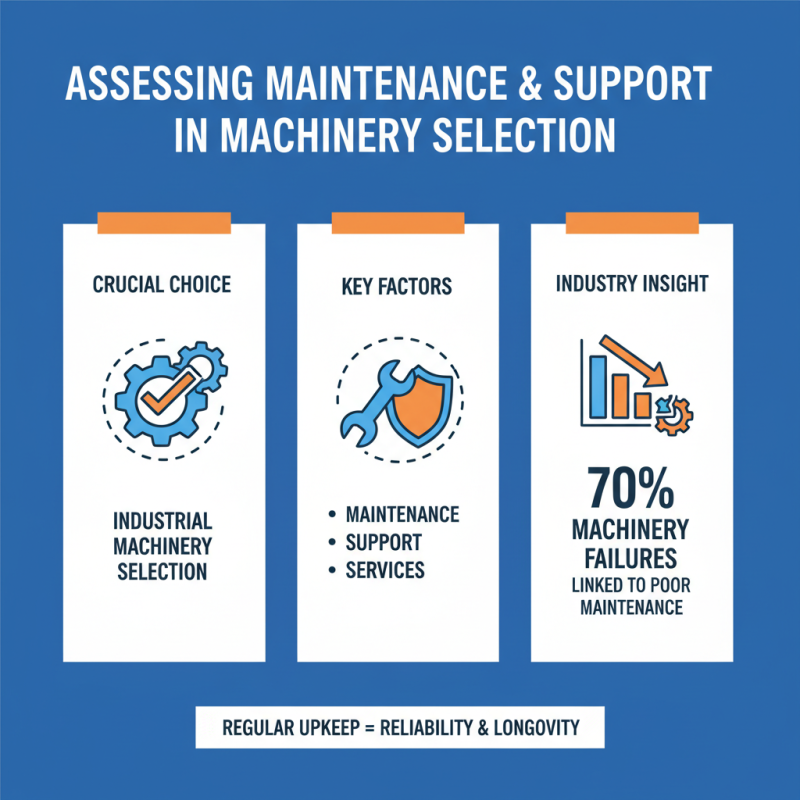
Budget and maintenance must also be considered. Spending less may seem wise, but cheaper machines could lead to higher maintenance costs. It’s a balancing act. Ultimately, reflecting on operational goals and long-term objectives will guide your choices. Choosing industrial machinery requires careful thought and planning.
Understanding Your Business Operations and Requirements
Understanding your business operations is essential when choosing the right industrial machinery. Begin by mapping out your daily processes. Identify the tasks that are crucial to your workflow. Think about how machinery fits into these tasks. For example, do you need enhanced efficiency or better precision? List your requirements. This will clarify your needs when evaluating options.
Consider the size of your operations. A small business may have different needs than a large manufacturer. Equipment for a small workshop might require versatility. On the other hand, larger operations could need machinery specialized for mass production. Reflect on your current challenges. Are you facing bottlenecks in production? This can inform what type of machinery will address specific pain points.
It’s also vital to evaluate your future growth plans. Machinery that suits your needs today might not serve you well in a few years. Stay flexible. Will you be expanding or diversifying? Consider the scalability of the machinery. Be aware of the hidden costs. Maintenance, training, and spare parts can add up. Taking all these factors into account will help you select the right equipment for your business’s unique requirements.
Evaluating Different Types of Industrial Machinery for Efficiency
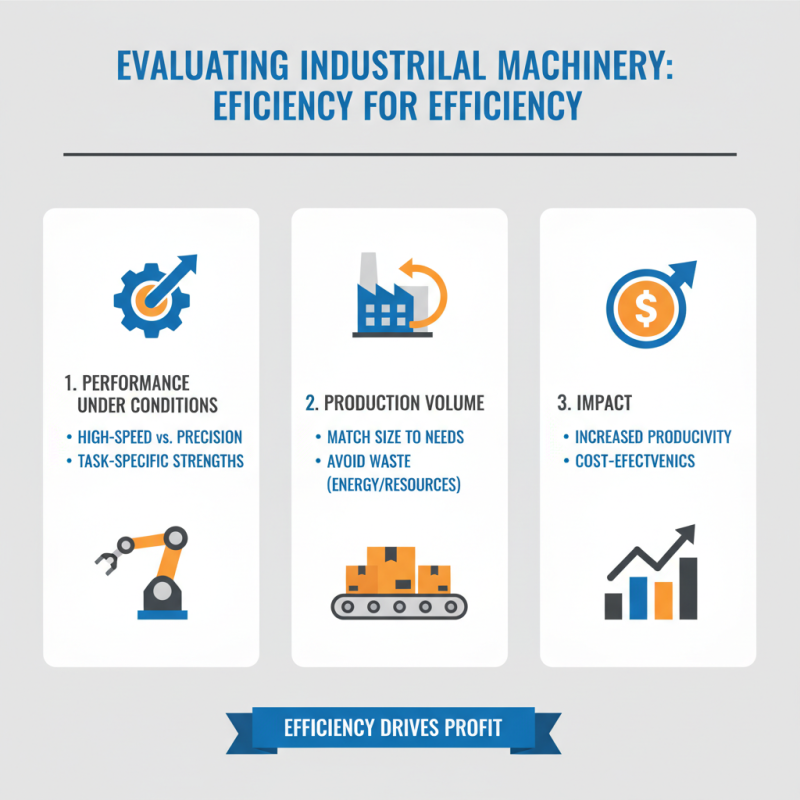
When evaluating different types of industrial machinery, efficiency stands out as a crucial factor. Efficiency directly impacts productivity and cost-effectiveness. Assess how each machine performs under specific conditions. For instance, some machines excel in high-speed operations while others are better suited for precision tasks. Understand your production volume needs. Machines that are too small may limit output, while oversized ones can waste energy and resources.
Look into maintenance and lifetime costs. A highly efficient machine may require significant upkeep, leading to hidden expenses. Don't forget to consider the operator skills required for each type of machinery. Complex equipment might demand specialized training, which can slow down production initially. Furthermore, think about the flexibility of the machinery. Some businesses need machines that can adapt to different products or processes. This adaptability can save time and money in the long run.
Evaluate the feedback from current users, if available. Their insights can provide a real-world perspective on efficiency and performance. Stay mindful that what works for one business might not fit another. Reflect on your specific needs and industry demands. Don't rush into a decision. Take the time to analyze all factors thoroughly for better outcomes.
Analyzing Cost-Benefit Scenarios for Machinery Investments
Choosing the right industrial machinery for your business can be daunting. Analyzing cost-benefit scenarios is essential. You need to consider both short-term and long-term costs. Initial investment is just the tip of the iceberg. Maintenance, energy consumption, and labor costs can add up over time.
Engage in thorough research. Compare different options and their financial impacts. A cheaper machine may have hidden costs. Ask yourself if it meets your production needs. Sometimes, investing more upfront can lead to greater savings later. Think about downtime, repairs, and efficiency. They will affect your bottom line significantly.
Be aware of your business’s specific requirements. Size, capacity, and technology should align with your goals. Reflect on how often machinery needs updating. Plan for future needs as well. It’s a delicate balance between current demands and future growth. Cost-benefit analysis must be ongoing, not a one-time task.
Cost-Benefit Analysis of Industrial Machinery Investments
Monitoring Industry Trends and Technological Advancements in Machinery
Keeping up with industry trends is crucial for selecting the right machinery. Regularly monitor trade publications and online forums. These resources shed light on emerging technologies. For example, automation is a growing trend. Many industries are adopting smart machinery for improved efficiency.
Technological advancements can influence your purchase decisions. However, it can be overwhelming. New features are constantly being introduced. You may find it difficult to determine what’s essential for your operations. Assessing your specific needs is critical. Sometimes, less complex machinery could serve you better than the latest tech.
Participating in industry trade shows can provide real-world insights. You can see machinery in action, which helps in understanding its practical applications. Engaging with peers also sparks new ideas. Yet, not every trend suits every business. Reflecting on what truly aligns with your goals will lead to better choices.