
How to Choose the Best Coiling and Packing Machine for Your Needs?

Choosing the right Coiling and Packing Machine can significantly impact your production efficiency. With various machines available, it may feel overwhelming. Understanding your specific needs is crucial in this process.

Each industry has unique requirements. A food packaging company may need a machine designed for moisture control. Conversely, a textile company might prioritize compact coiling features. Identifying these needs helps narrow your options.

Moreover, features such as speed, size, and power consumption can vary greatly. It's essential to consider not just the price, but the long-term benefits. Reflect on the potential for growth and changes in demand. This can determine whether a machine meets your needs today and in the future.
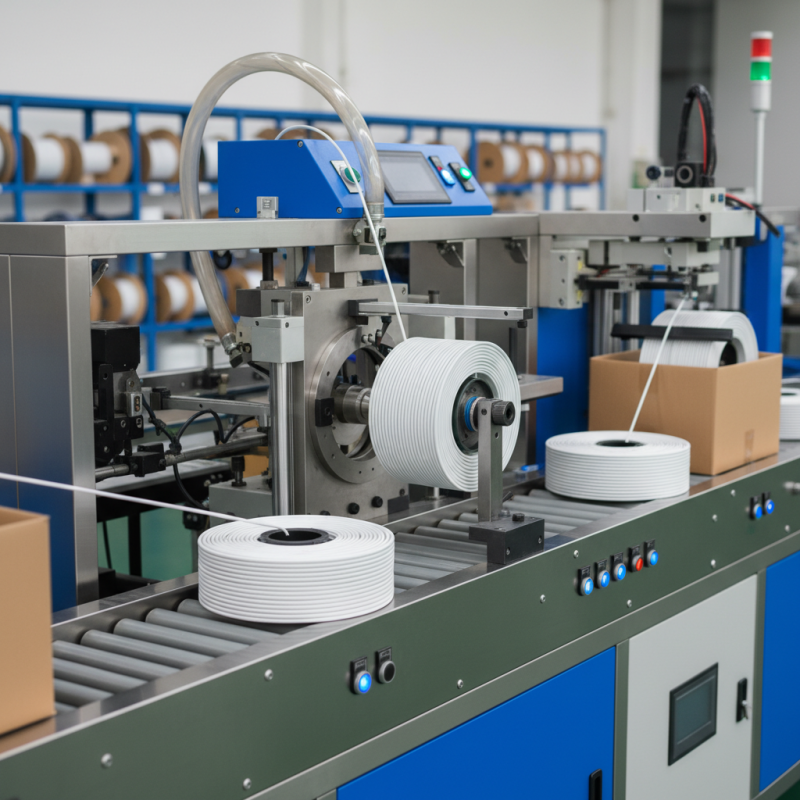
How to Choose the Best Coiling and Packing Machine for Your Needs?

Understanding Different Types of Coiling and Packing Machines

When selecting a coiling and packing machine, understanding the different types is crucial. These machines vary widely in features, specifications, and capabilities. Some focus on flexibility and speed, while others are designed for precision and specific materials. According to industry reports, the demand for automated systems is increasing by approximately 7% annually. This growth drives innovations in efficiency and user-friendliness.

Tips: Assess your production volume. Smaller operations may need compact machines, while larger ones benefit from high-speed options. Evaluate the machine’s compatibility with your product types. This ensures you choose a model that meets your needs without excess features that might complicate operations.

Consider the materials you will be using. Some machines excel with delicate products, while others handle robust materials. Remember, reliability is vital. Machines require regular maintenance. Failing to maintain equipment can lead to inefficiencies. This oversight could prove costly in the long run. Always prioritize thorough research to find the best fit for your specific operational needs.

Assessing Your Production Requirements and Volume

When choosing a coiling and packing machine, understanding your production requirements is crucial. Assess your daily output needs. How many units do you need per hour? This will guide your decision. Machines vary in speed and efficiency. Some may not meet high-volume demands. Others might be over-engineered for small projects.

Consider the types of products you will pack. Different machines handle varying shapes and sizes differently. If you plan to pack irregularly shaped items, ensure the machine can accommodate that. Sometimes a standard model may lack the flexibility needed. You might have to invest more in a custom solution.

Don’t forget about maintenance and support. A complex machine might require constant attention. Is your team trained to handle issues? Or will you need outside help? This can add hidden costs. Over time, you may find that what seems perfect initially isn't so ideal after all. Reflect on these factors carefully before making a purchase.

Production Volume of Various Packaging Machines

Key Features to Look for in Coiling and Packing Machines

When choosing a coiling and packing machine, key features are crucial. Firstly, consider the machine's speed. The industry standard varies, but a machine that offers 30 to 60 coils per minute is ideal for high-demand settings. Faster machines can increase productivity. However, speed must not compromise product quality.

Next, evaluate the machine's adaptability. Look for machines that can handle various materials. For example, according to a recent industry report, 45% of manufacturers seek machines that can pack different sizes and shapes. Flexibility can reduce downtime and costs. Also, it’s important to assess the machine's ease of use. Complicated interfaces can lead to errors. A user-friendly design minimizes training time.

Lastly, energy efficiency should not be overlooked. Research indicates that energy-efficient machines can reduce operational costs by 20% annually. However, consider the initial investment. An efficient machine may have a higher upfront cost but pay off in the long run. Buyers often overlook this balance, focusing too much on short-term savings rather than long-term benefits. Each of these features contributes to finding the right coiling and packing solution that aligns with your operational needs.

How to Choose the Best Coiling and Packing Machine for Your Needs? - Key Features to Look for in Coiling and Packing Machines

Feature Description Importance Recommended Specification
Speed The number of coils produced per minute. High-speed machines improve productivity. 30-100 coils/minute
Versatility Ability to handle various coil sizes and materials. Essential for meeting diverse customer needs. Supports multiple sizes and materials (e.g., metal, wire)
Automation Level Degree of automation in the packing process. Reduces labor costs and enhances efficiency. Fully automated with minimal manual intervention
Ease of Use User-friendliness of the machine's interface and controls. Improves training time and operational efficiency. Intuitive touchscreen interface
Maintenance Requirements Frequency and complexity of machine upkeep. Lower maintenance reduces downtime. Low-maintenance design with easy access
Safety Features Built-in safety mechanisms and emergency stop features. Protects operators and complies with regulations. Emergency stop, safety guards, and sensors
Cost Initial purchase price and total cost of ownership. Important for budgeting and ROI calculation. $10,000 - $50,000 depending on specifications

Evaluating Budget and Cost-Effectiveness

When evaluating budget and cost-effectiveness for coiling and packing machines, consider your production volume. A lower-cost option may seem appealing but can lead to higher operational costs over time. Support and maintenance are critical factors. An inexpensive machine may lack sufficient customer support. Think about parts availability and repair services.

Tips: Always compare different options. Check user reviews on performance and reliability. Request a demo if possible. This helps to see if the machine fits your specific needs.

Consider the total cost of ownership. This includes purchasing price, maintenance, and energy consumption. Machines with higher efficiency can save money in the long run. Analyze your production workflow to identify how a new machine will integrate. Make adjustments if necessary to maximize productivity.

Tips: Don’t ignore hidden costs. Installation expenses can add up. Evaluate financing options to ease initial costs. Often, investing slightly more can yield better returns over time. Think critically about your needs and potential future growth.

Importance of Supplier Reputation and After-Sales Support

When choosing a coiling and packing machine, supplier reputation plays a crucial role. A reliable supplier ensures high-quality equipment. According to a recent industry report, companies that prioritize supplier reputation see a 35% increase in operational efficiency. This statistic highlights the significant impact of choosing the right partner.

After-sales support is equally important. Equipment downtime can be costly. Having access to prompt and effective support can save businesses money and time.

Tips: Look for suppliers with positive reviews and case studies. This can provide insights into their reliability. Another strategy is to ask for references. Engaging with past clients offers real-world feedback about their experiences.

Additionally, consider the training and resources provided by the supplier. Many businesses overlook this aspect. Proper training can maximize machine performance. A lack of it often leads to technical issues. Businesses should seek suppliers that offer comprehensive training programs. It not only enhances productivity but also fosters a better understanding of machine capabilities. A partnership with good after-sales support can transform challenges into opportunities.

Scroll to Top