How to Choose the Right Machine Screws for Your Projects?
When embarking on a project that requires fastening, selecting the right Machine Screws is crucial. The global screws market was valued at over $10 billion in 2020, highlighting the importance of quality components in various applications. Machine screws, often underestimated, play a significant role in the integrity of assemblies. Choosing the appropriate type can directly impact durability and functionality.
Machine screws come in various materials, sizes, and thread types. Reports suggest that stainless steel screws are 20% more resistant to corrosion than standard steel. However, many users overlook essential factors such as load capacity and environmental conditions. This oversight can lead to issues like material fatigue or failure in construction.
Moreover, even experienced engineers may misjudge the appropriate specifications needed for their projects. Evaluating performance standards and compatibility is essential. Reflecting on past projects may reveal overlooked aspects, providing insights for future selections. By understanding the specific needs and applications of machine screws, you can enhance your project's resilience and efficiency.
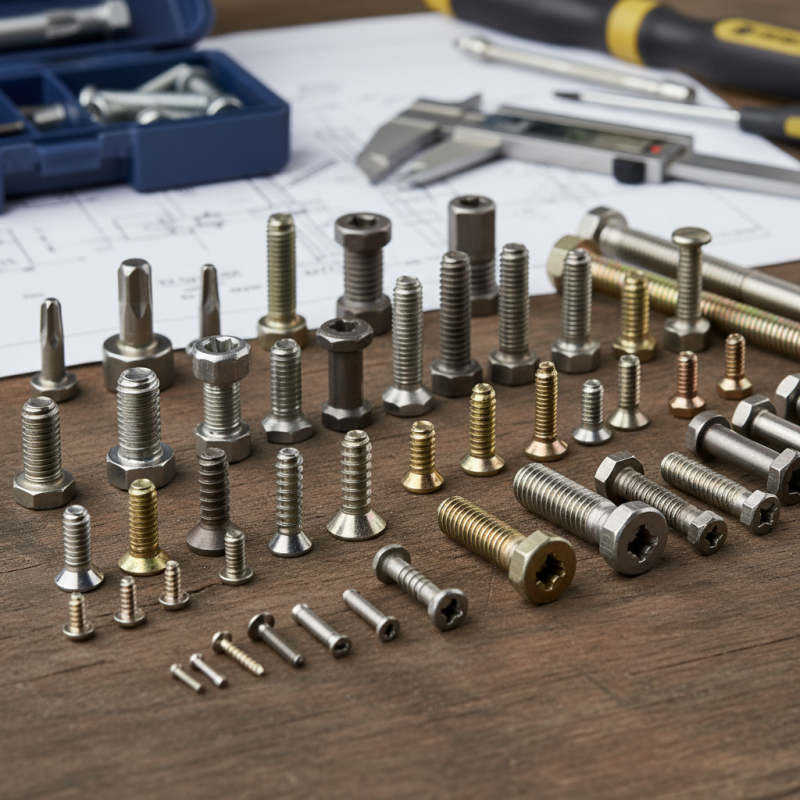
Understanding Different Types of Machine Screws and Their Uses
Choosing the right machine screws for your projects requires understanding their various types and uses. Machine screws are essential fasteners found in many industries. According to the Industrial Fasteners Institute, the global market for machine screws is projected to grow by 4.5% annually, signaling their vital role in manufacturing and assembly processes.
Different types of machine screws serve distinct purposes. For instance, socket head screws provide strength in confined spaces. They are popular in automotive and machinery applications due to their durability. Another common type is the Phillips head screw, known for its ease of use and widespread availability, making it suitable for general applications. However, relying solely on one type may lead to complications in specific projects.
Pre-drilling for machine screws is often overlooked. Failing to do so can result in misalignment, impacting the structural integrity of your assembly. Additionally, using the wrong screw length can lead to weak connections or material damage. Experts recommend consulting a fastener compatibility guide before selection. This step ensures that you choose the best hardware for your specific needs, maximizing both efficiency and performance in your projects.
Assessing Material Compatibility for Specific Project Requirements
When selecting machine screws, material compatibility is key. Different projects demand various materials based on their unique requirements. Steel, for instance, is strong but may rust. In environments with moisture, stainless steel might be the better option. It resists corrosion effectively and ensures a longer lifespan. However, its cost can sometimes be a hurdle.
Plastic screws can also be considered. They are lightweight and resist corrosion. However, they may not have the same strength as metal alternatives. In applications requiring high tensile strength, plastic might fail. On the other hand, aluminum screws offer a balance between weight and strength. They can be used in non-corrosive environments but may not handle heavy loads well.
It's vital to consider chemical exposure. Some materials might not perform well when exposed to certain chemicals. For example, nylon screws can degrade when exposed to UV light. This degradation could lead to failure. Always assess the environment before making a choice. Finding the right material is often a process of trial and error, and that’s okay. Don't hesitate to experiment with different options to see what fits best for your specific needs.
Determining the Right Size and Length for Your Machine Screws
Choosing the right size and length of machine screws is crucial for the success of your projects. The diameter of the screw directly affects the strength and stability of the assembly. Standard sizes range from #0 to #14 in the imperial system. Metric screws typically come in sizes like M3 or M4. Measuring tools, such as calipers, can help you determine the diameter you need.
Length is equally important. It should extend beyond the material thickness being fastened. A good rule is to have at least one full thread engage in the receiving material. If the screw is too short, it won't secure anything. Conversely, an excessively long screw can strip threads or damage adjacent materials.
Reflecting on your choices here can save time and materials. Take notes on what works and what doesn’t. Learning from each project can improve your future selections.
Evaluating Head Types and Drive Styles for Optimal Performance
Choosing the right head type for machine screws is crucial. Flat heads provide a flush finish, ideal for applications where aesthetics matter. Pan heads offer a larger surface area, which distributes load better. Round heads are useful when you need a more traditional appearance. Each type has its pros and cons depending on the specific requirements of your project.
Consider drive styles as well. Phillips drives allow for better torque but can strip easily. Slotted drives are easy to find but less secure. Torx drives provide excellent grip, reducing cam-out. Each style impacts assembly efficiency and overall performance. It's challenging to decide without understanding the nuances. Sometimes the best choice isn't the most popular one, and it's okay to rethink your decisions based on project needs.
Considering Load Requirements and Strength Ratings in Selection
When selecting machine screws for projects, considering load requirements and strength ratings is crucial. These factors ensure the integrity and safety of your assembly. According to the ASM International, various materials have distinct tensile strengths. For instance, stainless steel screws typically possess a tensile strength ranging from 70,000 to 200,000 psi. Understanding these ratings allows for informed decisions when facing different load scenarios.
In practice, match the screw type with the application’s demands. Heavy loads require screws with higher grades. For example, Grade 8 steel screws perform better under tension compared to standard screws. Yet, some may overlook the importance of matching the screw to the environment as well. Corrosive conditions necessitate the use of coated or stainless-steel options to prevent premature failure.
Tip: Always refer to the manufacturer's load charts for screws. This helps clarify specific applications and their requirements. Overestimating load capacity can lead to unexpected failures. Furthermore, reflect on your project's unique stresses. Not all assemblies are created equal, and a one-size-fits-all approach can lead to problems down the line.
How to Choose the Right Machine Screws for Your Projects?
| Screw Type | Diameter (mm) | Length (mm) | Material | Strength Rating (MPa) | Load Capacity (N) |
| Slotted | 4 | 20 | Steel | 700 | 1500 |
| Phillips | 6 | 30 | Stainless Steel | 800 | 2400 |
| Torx | 8 | 40 | Aluminum | 600 | 1800 |
| Hex Socket | 10 | 50 | Carbon Steel | 900 | 3000 |
