How to Choose the Best Industrial Hot Stamping Machine?
Choosing the right Industrial Hot Stamping Machine is crucial for any business involved in packaging and labeling. This machine plays a significant role in enhancing product branding and visibility. With a wide variety of options available, it can be overwhelming to make a decision.
Consider your production needs and desired output quality. This includes evaluating speed, efficiency, and versatility of the machine. Think about the types of materials you will work with, as different machines excel with specific substrates. Additionally, machine features can impact both short-term and long-term costs.
Your choice can either boost productivity or lead to unnecessary downtime. Investing time in research can prevent future regrets. Look for expert reviews and case studies. Reliability and support from the manufacturer are key factors to consider. Making an informed decision about an Industrial Hot Stamping Machine is a step toward success.
Understanding the Basics of Industrial Hot Stamping Machines
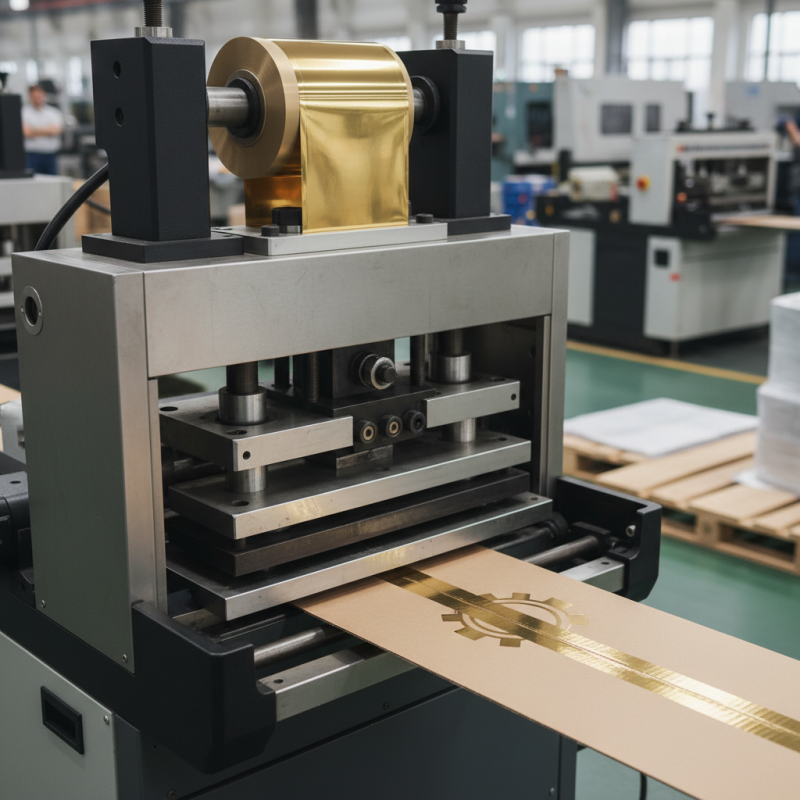
Understanding the basics of industrial hot stamping machines is crucial for making informed decisions. Hot stamping is a printing process where heated dies transfer foil onto various materials. This technique is widely used across industries, particularly for branding and packaging. According to a recent market report, the global hot stamping market is projected to grow at a CAGR of 4.3% from 2021 to 2026. This growth is driven by demand for customized solutions in packaging and label industries.
When choosing a machine, consider the material compatibility. Different machines cater to specific substrates, such as paper, plastic, or metal. Make sure to assess the temperature control and pressure settings, as these factors affect the quality of the stamped design.
Tips: Always evaluate the machine’s maintenance needs. A machine with complex maintenance requirements can lead to downtime. Simplicity in serviceability is often underestimated yet crucial for productivity. Also, weigh the importance of operator training to maximize the machine's efficiency.
Be cautious of cost-cutting decisions. Cheaper machines may lack advanced features, which could limit your production. This can lead to inefficiency and higher long-term costs. It's essential to prioritize features that will ensure durability and output quality. A well-informed choice today can save significant resources in the future.
Comparison of Industrial Hot Stamping Machine Features
Key Features to Consider When Choosing a Hot Stamping Machine
Choosing the right industrial hot stamping machine requires careful consideration of key features. One critical aspect is the type of printing technology. There are several technologies available, such as foil stamping, blind embossing, and die-casting. Each method offers different benefits and challenges. Understanding the specific needs of your operation is essential. According to a recent industry report, over 45% of companies experienced issues with the wrong technology choice, which impacted production quality.
Another feature to consider is the machine's speed and efficiency. A well-rated machine can output up to 2000 impressions per hour. However, it’s vital to match the speed with your production requirements. Inadequate speed can lead to bottlenecks, affecting overall performance. Regular inefficiencies in production often stem from insufficient machine capabilities. Furthermore, reliability is crucial. Selecting a machine with a proven track record can prevent downtime.
Durability is often overlooked, yet it's a key factor. Machines that resist wear and tear tend to be more cost-effective in the long run. A study noted that 30% of businesses faced frequent repairs, leading to increased operational costs. An investment in a durable machine pays off when it consistently meets demands. These considerations are essential for making an informed choice in the industrial hot stamping landscape.
Evaluating the Production Capacity and Speed Requirements
When selecting an industrial hot stamping machine, evaluating production capacity and speed requirements is crucial. Understanding these factors helps ensure that the machine can meet your production demands. Analyze your expected volume of output. Will you need high-speed operation for a large number of products? Or will a slower, more precise approach suffice for intricate designs? A balance must be struck between speed and quality.
Speed should not be the only factor. Consider how quickly you need an order fulfilled versus the complexity of the stamping job. For example, a machine might run at high speeds but could compromise on the quality if the job requires detailed or multi-layered stamping. It's essential to assess the materials being used too. Different substrates may react differently under high-speed conditions. Testing is vital.
Always think about future demands. As your business grows, so may your production needs. A machine that barely meets current requirements may become a bottleneck later. Flexibility for future scalability can save time and money in the long run. Evaluate both current and potential needs carefully before settling on a choice. Investing time in this process can prevent future regrets and inefficiencies.
Assessing Material Compatibility for Hot Stamping Applications
Choosing the right industrial hot stamping machine requires careful thought, especially when it comes to material compatibility. Not every machine works well with all materials. For instance, metallic surfaces may require specific inks or foils to adhere properly. The choice of substrate can significantly affect the quality of the stamped image.
Polymer-based materials often provide flexibility but might react differently to heat. Some plastics might warp, while others may provide excellent results. Testing on sample materials before finalizing the machine can prevent wastage and costly mistakes. It’s not only about matching the machine with a material; it’s about understanding the nuances of both.
Compatibility issues are not always noticeable at first glance. Some operators assume they can use any foil with any substrate. This oversight can lead to poor adhesion and fading prints. The testing phase should involve various conditions to identify the best setup. Regularly reviewing material performance is crucial for long-term success. Keeping an open mind and learning through trial and reflection can lead to better choices in the future.
How to Choose the Best Industrial Hot Stamping Machine? - Assessing Material Compatibility for Hot Stamping Applications
| Material Type | Temperature Compatibility (°C) | Pressure Requirement (psi) | Foil Type | Recommended Machine Type |
| PVC | 120-160 | 30-50 | Polyester Foil | Flatbed Press |
| Paper | 100-140 | 25-45 | Metallic Foil | Roll-to-Roll Press |
| Leather | 150-180 | 35-60 | Pigment Foil | Hot Foil Stamping Press |
| Textiles | 120-160 | 30-50 | Transfer Foil | Heat Press |
| Acrylic | 130-170 | 40-55 | Glossy Foil | Digital Stamping Machine |
Comparative Analysis of Leading Hot Stamping Machine Brands
When choosing an industrial hot stamping machine, it's essential to analyze the leading brands on the market. Recent industry reports indicate that the global hot stamping machine market is projected to grow at a CAGR of 5.6% from 2023 to 2028. This growth underscores the need for businesses to understand the strengths and weaknesses of different machines.
A key factor is the machine's setup time. Efficient machines can reduce setup time to less than 30 minutes for a batch. However, some brands may take longer, affecting production schedules. Reliability is another crucial element. According to a study by the International Packaging Association, 78% of manufacturers reported downtime issues related to faulty stamping machines. This highlights the importance of analyzing reliability ratings in existing reviews or customer testimonials.
User experiences often reveal varying opinions about efficiency and noise levels. Some machines operate quietly, improving workplace conditions, while others generate more noise. This can be a concern in a factory setting. Furthermore, consider the availability of support and maintenance services, which can significantly impact long-term performance. It's an area often overlooked, yet crucial for ensuring smooth operations.
Ultimately, a thorough comparative analysis will help businesses make an informed decision when selecting their next hot stamping machine.
