How to Choose the Best Condensate Pumps for Your Needs?
When selecting condensate pumps, it's essential to consider various factors. These pumps play a critical role in efficiently removing excess water from HVAC systems. Therefore, the right choice can greatly impact system performance and longevity.
Quality matters significantly. A well-designed condensate pump effectively handles liquids, ensuring smooth operation. However, not every pump fits every need. The differences in models, sizes, and features can be overwhelming. It’s important to match the pump to specific requirements, such as capacity and application.
Experience shows that even small features, like noise level and size, can influence your choice. A pump that seems perfect on paper may not meet practical needs. To avoid costly mistakes, always reflect on your unique situation before making a decision. Trust your research and seek expert opinions. Choosing the right condensate pump is not just about function; it's also about optimizing your HVAC system's efficiency and reliability.
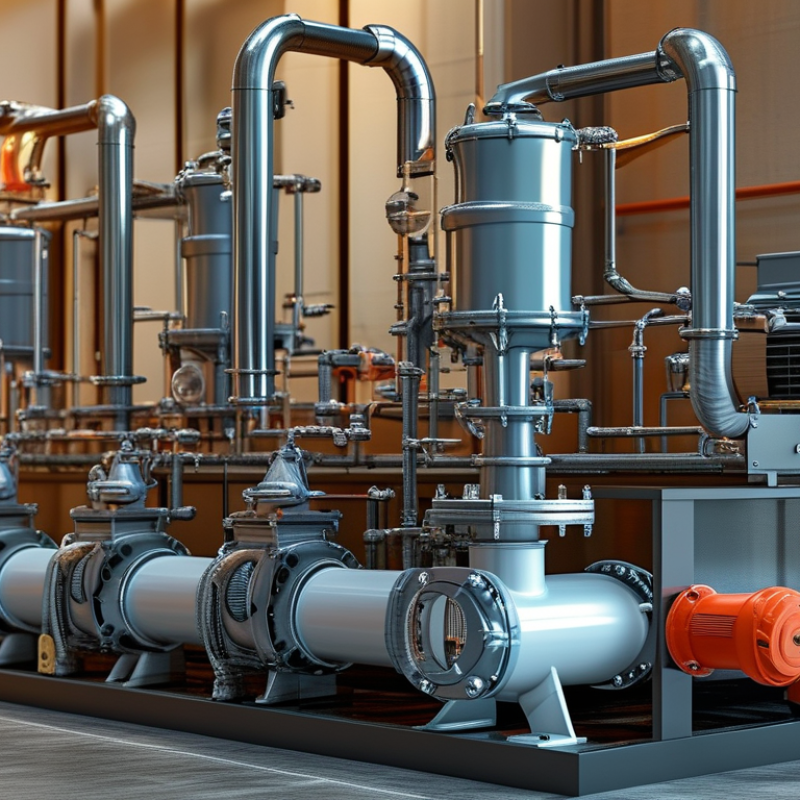
Understanding the Basics of Condensate Pumps and Their Applications
Condensate pumps are crucial in various applications. They remove excess condensation from HVAC systems and appliances. Understanding how these pumps work is key to making informed choices. They generally operate on a simple principle. When liquid collects, a float triggers the pump, which then expels the water.
Different applications may require different pump types. For residential use, smaller pumps suffice. In contrast, industrial settings demands more robust models that can handle larger volumes. Some users may overlook required capacity. This oversight can lead to inadequate performance or equipment failures.
Consider noise levels and energy efficiency when selecting a pump. Some models run quietly, while others produce significant noise. Additionally, energy-efficient designs can save money over time. Heavy-duty pumps often require more maintenance, which can be inconvenient. Balancing these factors can lead to better long-term decisions. Often, users may rush into a decision without fully assessing their needs. This can result in wasted resources and frustration down the line.
Performance Comparison of Different Types of Condensate Pumps
This chart illustrates the flow rate capabilities of different types of condensate pumps, which can help you in selecting the best one for your specific needs.
Key Factors to Consider When Selecting a Condensate Pump
When selecting a condensate pump, several key factors warrant careful consideration. The pump's capacity is paramount, as it should align with your specific needs. According to the American Society of Heating, Refrigerating and Air-Conditioning Engineers (ASHRAE), the average residential condensate production can range from 4 to 30 gallons per day. Understanding your system's output will help in choosing the right pump size.
Next, consider the pump's head height, which is the distance it needs to move the water. A reliable guide suggests that most installations require a head height ranging from 10 to 30 feet. If the required height is underestimated, it can lead to pump failure and increased maintenance costs. Furthermore, pay attention to the materials used in the pump. Corrosion-resistant materials are essential in environments with high acidity.
Efficiency ratings are also crucial. The Department of Energy states that energy-efficient models can save up to 30% on energy costs. However, be wary; not all manufacturers provide clear efficiency data. Researching and cross-referencing multiple sources can mitigate this risk. It's also wise to consider noise levels. Some pumps operate at decibel levels that may be disruptive in residential areas. Therefore, evaluating everything, from capacity to noise emissions, is vital for long-term satisfaction.
Analyzing Pump Performance: Flow Rate, Head Pressure, and Energy Efficiency
When selecting a condensate pump, analyzing its performance is crucial. The flow rate defines how quickly the pump can move water. A higher flow rate is beneficial in larger systems. For instance, industry reports suggest that a flow rate of 10 gallons per minute (GPM) is optimal for many residential uses.
Head pressure is another essential factor. It measures the height the pump can raise water. Understanding the specific requirements of your plumbing system is key. Not all systems will efficiently handle significant head pressure. For example, a pump may show a head pressure of up to 20 feet, but real-world applications may reveal limitations based on pipe conditions.
Energy efficiency cannot be overlooked. A pump that works harder consumes more energy. Energy Star reports emphasize pumps with higher efficiency ratings can save homeowners up to 30% on electricity costs. However, buyers often focus solely on the purchase price rather than long-term savings. This oversight can lead to painful decisions later. Balancing performance metrics with energy costs is essential for making an informed choice.
Comparing Different Types of Condensate Pumps: Submersible vs. Non-Submersible
When it comes to choosing a condensate pump, understanding the differences between submersible and non-submersible types is crucial. Submersible pumps are designed to operate underwater. They are often more efficient for specific applications. Typically, they are quieter during operation. However, their installation can be more complex due to the underwater setup.
On the other hand, non-submersible pumps operate above the water level. They are easier to access for maintenance. These pumps can be less expensive and simpler to install. However, they may require soundproofing solutions. This can sometimes turn into a challenge, especially in residential areas. Evaluating your specific needs is essential. Consider factors such as capacity, noise levels, and space availability. Remember, each type has its strengths and weaknesses. It is a balancing act between efficiency and practicality.
In making your decision, think about the long-term implications. A poorly chosen pump can lead to inefficient operations. This may result in increased energy costs or frequent repairs. With careful research and consideration, you can find a condensate pump that addresses your requirements effectively.
How to Choose the Best Condensate Pumps for Your Needs? - Comparing Different Types of Condensate Pumps: Submersible vs. Non-Submersible
| Pump Type | Best Use Case | Power Source | Installation Complexity | Average Cost |
| Submersible Pump | For use in flooded areas | Electric | Moderate | $100 - $300 |
| Non-Submersible Pump | For dry environments | Electric | High | $150 - $400 |
| High-Temperature Pump | For industrial applications | Electric | High | $250 - $600 |
| Air-Operated Pump | For remote locations | Compressed Air | Moderate | $200 - $500 |
Maintenance Tips to Extend the Life of Your Condensate Pump
Maintaining a condensate pump is vital for its longevity. Regular inspections are a great start. Check the pump for any signs of wear or leakage. Pay attention to the motor and float switch functions. If you notice any irregularities, address them promptly. A worn-out part can lead to bigger issues down the line.
Cleaning the condensate tank is equally important. Accumulated dirt can hinder the pump's efficiency. Use a mixture of vinegar and water to clean it. Doing this bi-annually can prevent blockages. It's easy to overlook, but neglect can cause significant damage. Additionally, monitor the discharge line for clogs.
Listen for unusual noises while the pump operates. Grinding or rattling sounds may indicate mechanical issues. Do not ignore these signs. Regularly lubricating the motor, as per the manufacturer’s guidelines, promotes smooth operation. Remember that even small steps in maintenance can protect your investment and ensure efficient performance.
