China Top Manufacturing Technology Innovations Revolutionizing Industry?
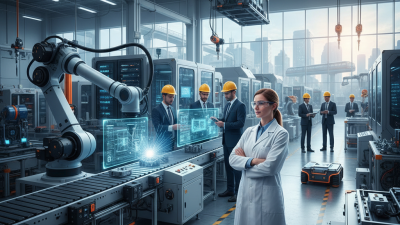
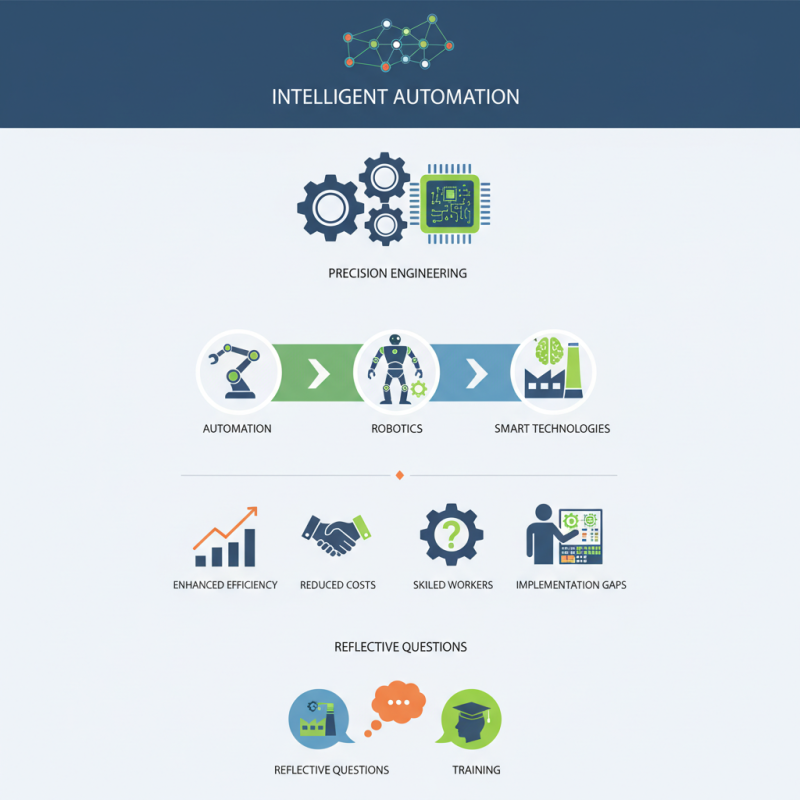
In recent years, China's manufacturing technology has undergone a remarkable transformation. Many experts observe that these innovations are set to revolutionize the industry. Dr. Chen Wei, a leading authority in manufacturing technology, states, “The future of manufacturing lies in intelligent automation and precision engineering.” His view underscores a significant shift in how production processes are being redefined.
This change is driven by advancements in automation, robotics, and smart technologies. These elements enhance efficiency and reduce costs. Many factories are implementing artificial intelligence to optimize operations. Challenges remain, however, including the need for skilled workers to manage these sophisticated systems. The rapid pace of change can sometimes lead to implementation gaps that companies must address.
While the innovations promise great benefits, they also pose reflective questions. Are companies prepared for the skills needed? Do existing workers have the training to adapt? As manufacturing technology evolves, these conversations will become increasingly critical for future success.
Impact of Robotics and Automation in China's Manufacturing Sector
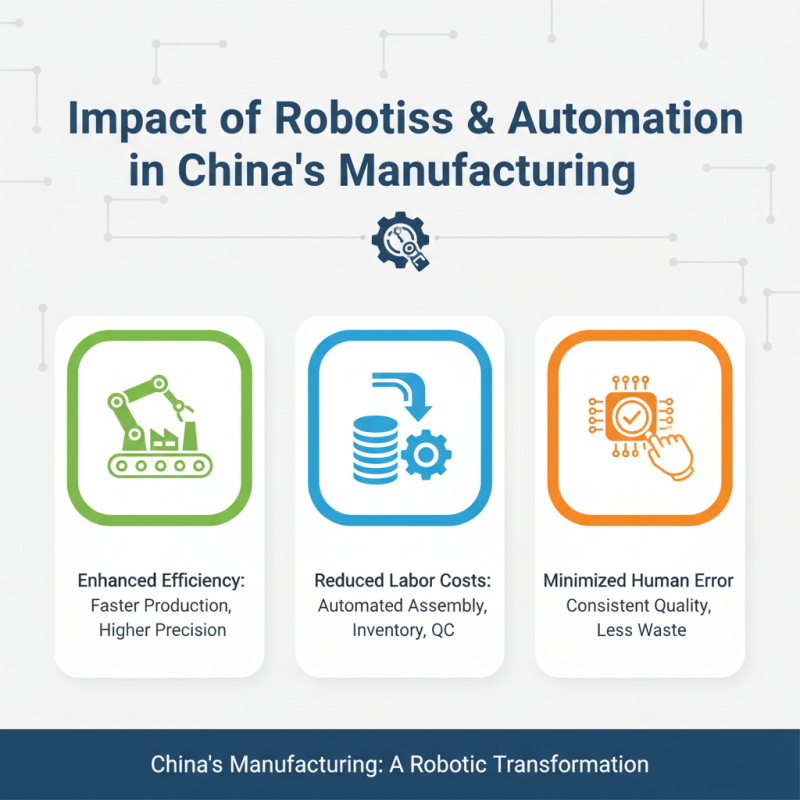
China's manufacturing sector is undergoing a remarkable transformation, primarily driven by advancements in robotics and automation. Factories are increasingly adopting automated solutions to enhance efficiency and reduce labor costs. This shift enables manufacturers to produce goods faster and with greater precision. Robots can assemble products, manage inventory, and even perform quality checks, minimizing human error.
However, reliance on automation raises questions. Many workers fear job displacement as machines take over tasks traditionally performed by humans. The skills gap becomes evident, as the workforce needs to adapt to new roles focusing on machine management and programming. Not all companies are prepared for this transition, leading to uneven implementation across industries. Some sectors lag behind, unable to integrate these technologies due to costs or lack of expertise.
Moreover, while automation brings efficiency, it can lead to challenges in product complexity. Increased reliance on robotic systems means that troubleshooting and maintenance require specialized knowledge. Companies must invest in employee training and partnerships with tech experts to ensure smooth operations. This continuous evolution illustrates the critical balance needed between embracing innovation and addressing its impacts on the workforce.
Advancements in Artificial Intelligence for Manufacturing Efficiency
The manufacturing sector in China is undergoing a significant transformation, largely driven by advancements in artificial intelligence (AI). Recent data from industry reports indicate that AI can enhance productivity by up to 30%. This boost is critical for manufacturers aiming to optimize operations and reduce costs.
AI technologies improve machine learning algorithms, which help analyze production processes in real-time. For example, predictive maintenance powered by AI can reduce equipment downtime by 20%. However, companies often struggle to implement these technologies effectively. Understanding data integration is crucial for maximizing AI capabilities.
Tips: Start small with AI implementations and focus on specific processes. Test and analyze results before a full-scale rollout. Collaborate with data scientists to ensure your AI systems provide actionable insights. Continuous training for staff can also enhance AI adoption, enabling teams to adapt to new technologies seamlessly.
China Top Manufacturing Technology Innovations Revolutionizing Industry
| Innovation Area |
Description |
Impact on Efficiency |
Year of Introduction |
| Industrial IoT |
Integration of IoT devices for real-time monitoring and automation. |
Increased production uptime and reduced operational costs. |
2018 |
| Predictive Maintenance |
AI algorithms predict equipment failures before they occur. |
Reduced downtime and maintenance costs. |
2019 |
| Robotic Process Automation (RPA) |
Use of software robots to automate repetitive tasks. |
Enhanced productivity and accuracy in operations. |
2020 |
| 3D Printing |
Additive manufacturing techniques for customized production. |
Minimized waste and enabled rapid prototyping. |
2021 |
| Digital Twin Technology |
Creating digital replicas of physical systems for simulation and analysis. |
Improved decision-making and operational efficiency. |
2022 |
The Role of 3D Printing in Transforming Chinese Production Methods
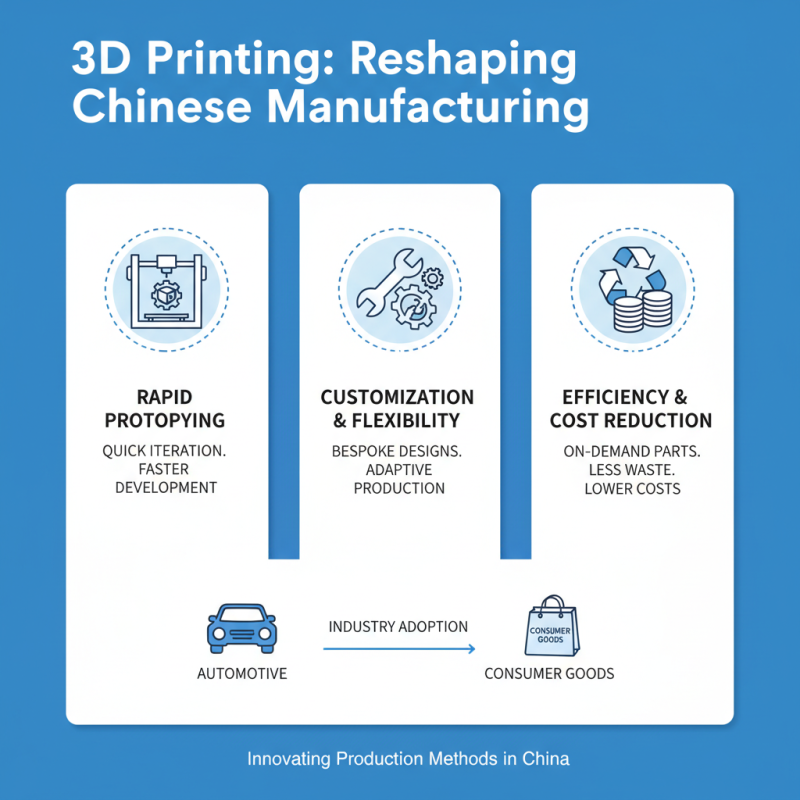
In recent years, 3D printing technology has reshaped Chinese production methods significantly. Factories now utilize this technology to create prototypes quickly. It allows for customization in design, which traditional methods struggle to achieve. Many industries benefit from this flexibility, including automotive and consumer goods. Parts can be made on-demand, reducing waste and cutting costs.
Despite its advantages, 3D printing has challenges. The quality of materials can vary. Some products may lack durability compared to traditionally manufactured items. There are also concerns about scalability. As businesses adopt this technology, they face learning curves. Not every company has the expertise to integrate 3D printing effectively into their workflow.
The innovation 3D printing brings comes with responsibility. It necessitates a rethink of production processes and skill sets. Companies must invest in training and technology. Understanding these issues is crucial for maximizing the benefits of 3D printing. As China continues to innovate, the balance between technology and traditional methods will remain a vital discussion.
Innovations in Sustainable Manufacturing Practices in China
China is rapidly advancing in sustainable manufacturing practices, leading the way for industries globally. In 2022, the country saw a 30% increase in the adoption of green technologies across manufacturing sectors, as reported by the International Institute for Sustainable Development. This surge reflects a commitment to reducing carbon footprints and improving resource efficiency.
Manufacturers are embracing renewable energy sources. Over 40% of factories have started using solar or wind power. Integrating clean energy helps in lowering operational costs. Yet, some firms struggle with the initial investment. Transitioning to sustainable practices often requires significant upfront costs, raising questions about their feasibility for smaller enterprises.
Circular economy principles are also taking root. Reports show that 50% of waste materials in the manufacturing sector are being recycled or reused. However, achieving a fully circular system remains challenging. Many companies are still reliant on traditional waste disposal methods. The shift towards sustainability is crucial, but the road ahead needs careful planning and execution. Balancing profit and environmental responsibility is essential for long-term success.
Emerging Trends in Smart Manufacturing Technologies in China
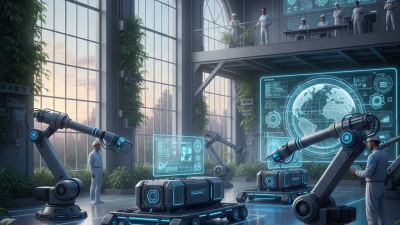
China is rapidly embracing
smart manufacturing technologies.
These innovations are reshaping industries in profound ways. Factories are now equipped with
advanced robotics and artificial intelligence.
Automation improves efficiency, but it also raises questions about
job displacement. Many workers must adapt
to new roles in this evolving landscape.
Data analytics is another critical trend.
With vast amounts of data collected, companies can make informed decisions. However, relying
heavily on data can lead to overconfidence in automated systems. Some businesses find it
challenging to interpret the data effectively. It is essential to balance
human insights with machine learning.
Collaboration is key in this transformation. Partnerships between tech firms and
manufacturers drive innovation. This synergy can lead to groundbreaking solutions but also
risks creating dependency on tech providers. It's crucial for manufacturers to retain some
level of control over their processes. As China navigates these changes, continuous reflection
and adjustment will be necessary for sustainable growth.