China Top Manufacturing Industries Driving Global Growth?
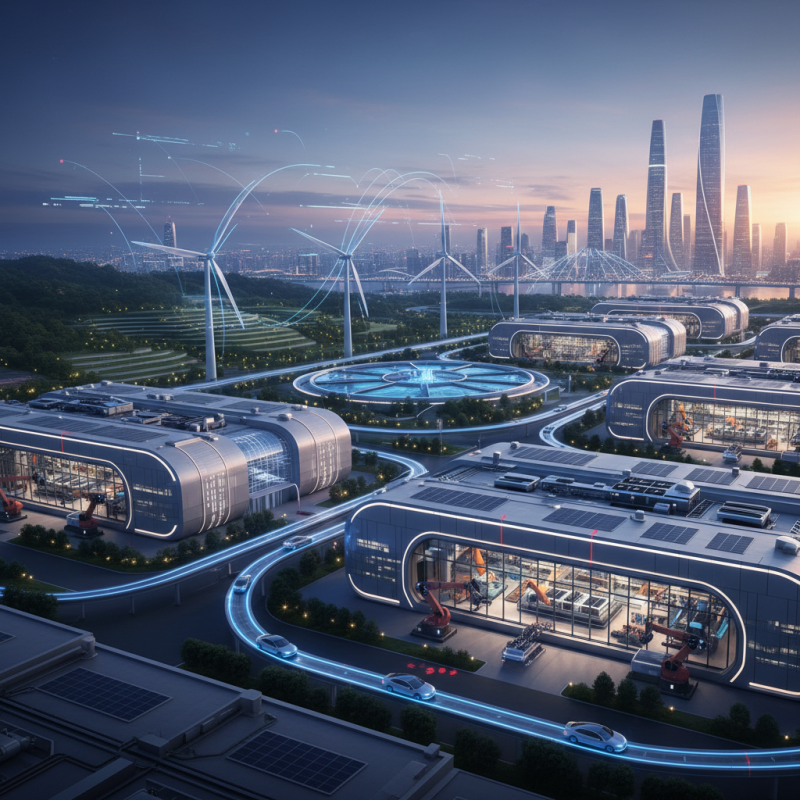
China's manufacturing industries are at the forefront of global economic growth. With rapid advancements in technology and productivity, these sectors are reshaping international markets. The country has positioned itself as a vital player, impacting supply chains worldwide.
Consider the electronics sector. Chinese factories crank out a significant portion of the world's devices. This dominance stems from skilled labor and cutting-edge technology. Yet, challenges remain. The reliance on specific resources may create vulnerabilities.
Moreover, the automobile industry is evolving. China leads in electric vehicle production. However, environmental concerns and resource management need attention. Balancing growth while addressing sustainability is crucial. As these manufacturing industries thrive, their role in shaping the global economy cannot be overlooked.
Emergence of China as a Global Manufacturing Leader
China has emerged as a powerhouse in global manufacturing. This transformation spans various industries, from electronics to textiles. Its factories churn out vast quantities of products daily. The growth is driven by a combination of low labor costs and advanced technology. However, this success raises important questions about sustainability and labor practices.
China's manufacturing sector contributes significantly to the global economy. Many countries rely on Chinese products, impacting trade dynamics. High efficiency and rapid production times are key advantages. Yet, concerns about quality control and environmental impact linger. Reports of pollution and worker conditions sometimes cast shadows on this thriving industry.
While China's rise has created jobs and driven innovation, it also poses challenges. Competitors feel pressure to keep up, often leading to compromises. The balance between growth and ethical practices demands attention. Thus, it is crucial for stakeholders to reflect on the implications of this shift in manufacturing power.
Key Industries Fueling China's Manufacturing Growth
China's manufacturing sector is critical to the global economy. Recent reports highlight the industries propelling this growth. The conversation focuses on sectors like electronics, automobiles, and renewable energy. These industries are not just thriving; they are transforming the global landscape.
In the electronics sector, China produced over 60% of the world's electronic devices, according to industry studies. The rapid advancements in technology support significant growth in this domain. The country's robust supply chain infrastructure enables manufacturers to respond quickly to market demands. Despite this success, reliance on outdated manufacturing processes remains a challenge for efficiency.
The automobile industry is also noteworthy. China is the world's largest producer and consumer of cars. In 2022, local automakers captured more than 50% of the domestic market share. While growth is evident, challenges such as environmental regulations and the need for electrification can't be ignored. The renewable energy sector is another focal point, with investments reaching over $100 billion in the past year. Striking a balance between rapid expansion and sustainability is essential as China moves forward.
China Top Manufacturing Industries Driving Global Growth
| Industry |
Growth Rate (%) |
Global Market Share (%) |
Employment (Million) |
| Electronics |
8.5 |
30 |
12.5 |
| Automobile |
6.2 |
20 |
8.0 |
| Textiles |
4.1 |
15 |
5.5 |
| Machinery |
7.0 |
25 |
6.9 |
| Chemicals |
5.8 |
22 |
7.3 |
Technological Innovations Impacting China's Manufacturing Sector
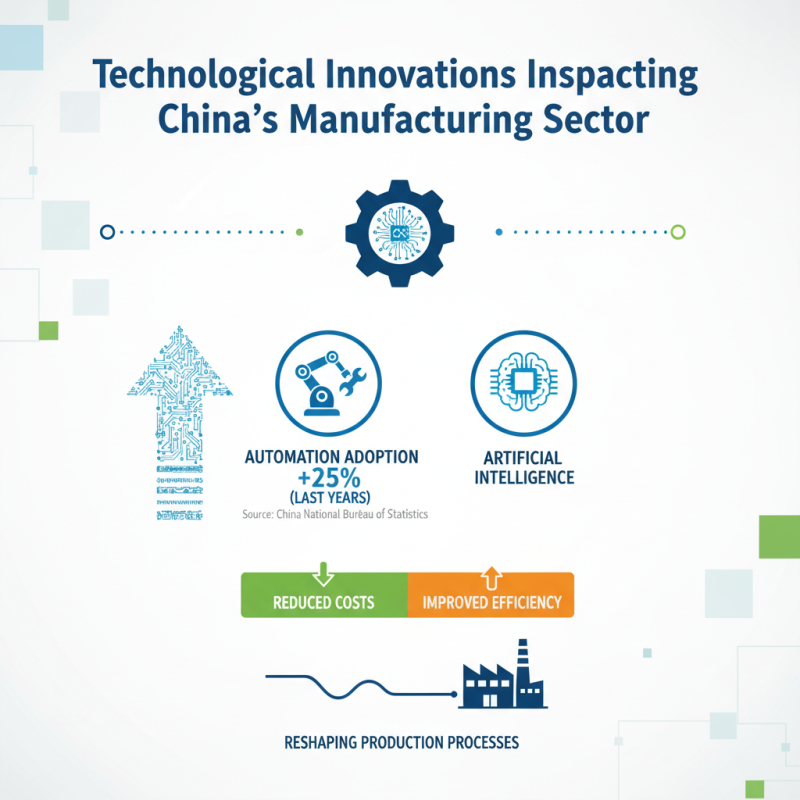
China's manufacturing sector is experiencing a technological revolution. Innovations in automation and artificial intelligence are reshaping production processes. According to a report by the China National Bureau of Statistics, automation adoption rose by 25% in the last two years. This leap helps manufacturers reduce costs and improve efficiency.
The integration of AI supports predictive maintenance and quality control. Data from the International Federation of Robotics highlights that China leads globally in industrial robot installations, accounting for 36% of the total in 2022. Increased reliance on advanced robotics can enhance productivity but also poses challenges. Many workers face job displacement, raising questions about workforce retraining and societal impacts.
Additionally, the push for sustainable practices is notable. The transition to greener technologies is not just about compliance; it’s driven by market demands. However, many manufacturing companies struggle with upfront costs and finding effective methods to reduce waste. Balancing innovation with social responsibility requires ongoing dialogue and collaboration among stakeholders.
China's Manufacturing Supply Chains and Global Trade Dynamics
China's manufacturing supply chains play a crucial role in global trade dynamics. The country is at the heart of the world’s production networks. From electronics to textiles, China influences many industries. Its strategic location, abundant labor, and infrastructure contribute significantly. The manufacturing hubs enable quick responses to market demands.
However, reliance on China's manufacturing has vulnerabilities. Supply chain disruptions can ripple globally. Recent events have shown how fragile these networks can be. Natural disasters, geopolitical tensions, and pandemics highlight risks. Companies must diversify supply sources to mitigate potential crises.
Investing in technology has transformed traditional manufacturing. Automation is reducing costs and increasing efficiency. Yet, the reliance on technology raises questions. Automation can lead to job losses in certain sectors. Balancing innovation and employment is a challenge. Addressing these issues requires strategic planning and collaboration among all stakeholders.
Future Trends and Challenges for China’s Manufacturing Industries
China's manufacturing sector faces significant future trends and challenges. The rise of automation is reshaping production lines.
Robotics and AI enhance efficiency but threaten traditional jobs. Companies must adapt or lose relevance.
Environmental concerns also impact the industry. Stricter regulations push for greener practices.
Manufacturers must invest in sustainable technologies. This transition can be costly yet essential for long-term viability.
Moreover, global supply chains are under pressure. Geopolitical tensions affect trade flows and costs. Businesses need agility to navigate these disruptions.
Building resilience is vital for future growth in an uncertain landscape. Effective strategies will define success in the evolving market.