What Are the Best Industrial Automation Solutions for 2026?

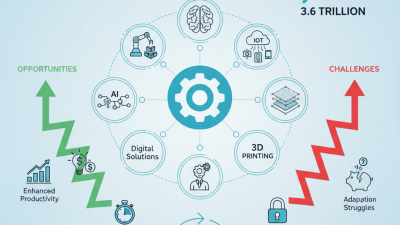
Industrial automation solutions in 2026 will be judged by more than robot speed. The real test is whether a plant can keep production stable, workers safe, and quality consistent when demand shifts. That means evaluating connected robotics, programmable logic controllers, machine vision, industrial software, and cybersecurity as parts of one operating system—not isolated purchases.

The International Federation of Robotics’ World Robotics 2024 report recorded 541,302 industrial robot installations worldwide in 2023, with 4,281,585 units operating in factories. Its 2023 report recorded 553,052 installations in 2022. The dip matters. It suggests that forecasts should not replace site-level planning. IFR President Marina Bill described the growth in the installed base: “The number of industrial robots operating worldwide has reached a new record: 4,281,585 units.” These figures make robotics a major part of the discussion, but they do not prove that every facility needs another robot.

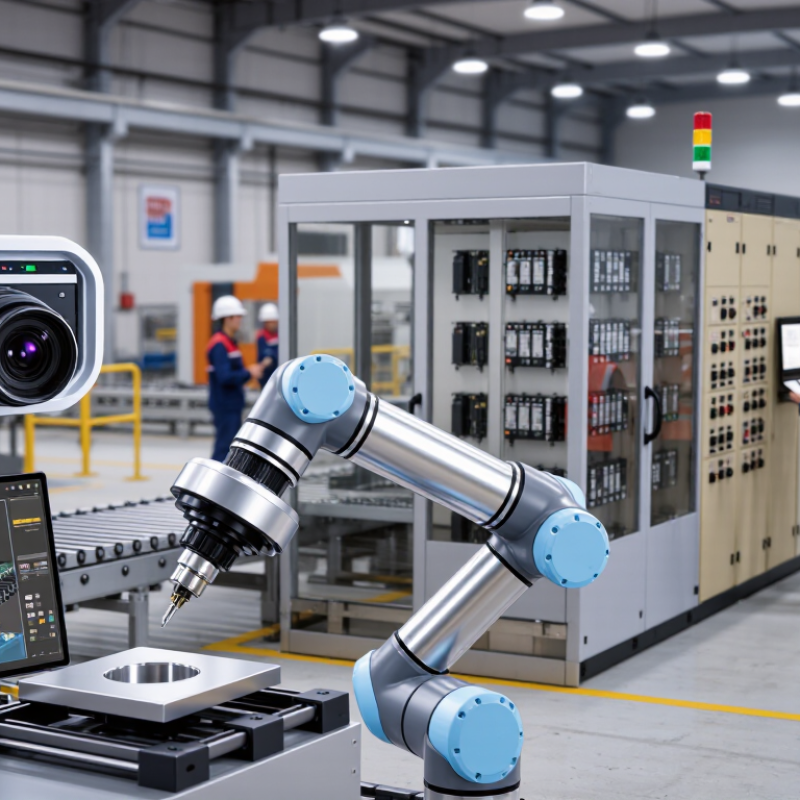
Look closely at the work itself. A camera inspecting a scratched metal surface, a cobot tending a machine, or a digital twin flagging a bottleneck can each solve different problems. Still, more automation is not automatically better. Integration costs, legacy equipment, staff training, and maintenance can change the business case. Some plants may gain more from upgrading sensors and controls than from buying a full autonomous line. This guide compares the leading industrial automation solutions for 2026, explains where each fits, and highlights the trade-offs decision-makers should examine before investing. The best choice is rarely the most futuristic one. It is the one that works reliably on the factory floor.
What Are the Best Industrial Automation Solutions for 2026?

What Industrial Automation Solutions Include in 2026

Industrial automation solutions in 2026 combine connected sensors, control systems, robotics, and software that turns production data into useful action. Sensors track temperature, vibration, and cycle times; PLCs and SCADA systems coordinate equipment, while manufacturing execution software connects shop-floor activity with scheduling and quality records. Industrial robots handle repeatable tasks, and machine-vision systems can flag a chipped edge before a part reaches packing. The International Federation of Robotics reported 4,281,585 industrial robots operating in factories worldwide in 2023, showing how established automation has become.

Newer systems add edge computing, cloud analytics, and AI for predictive maintenance and process adjustments. Deloitte’s 2025 Smart Manufacturing and Operations Survey found that 92% of surveyed leaders viewed smart manufacturing as a key competitiveness driver over the next three years. That matters. A vibration sensor may detect a failing bearing, but teams still need clean data, clear alert rules, and technicians who can verify the warning.

Digital twins can model production lines, while cybersecurity controls and worker training help keep connected operations dependable. Yet integration is often less tidy than a diagram suggests: older machines may use incompatible data formats, and an AI recommendation can be wrong. Start with a measurable bottleneck, such as recurring stoppages on one packaging cell, then test improvements before expanding across the plant.

What Are the Best Industrial Automation Solutions for 2026?

What Industrial Automation Solutions Include in 2026

Industrial automation solutions combine programmable controllers, industrial robots, machine vision, motion control, industrial networks, SCADA/MES software, edge and IIoT systems, and functional safety and cybersecurity. The right mix depends on the process, production goals, and existing equipment.

Worldwide industrial robot installations provide a useful indicator of automation deployment. Figures are annual installations, not a forecast for 2026: 2021–2024 data from the International Federation of Robotics, World Robotics 2025.

Core Technologies Driving Industrial Automation

Industrial automation in 2026 is less about replacing every operator and more about connecting machines, data, and people reliably. That connection starts on the plant floor, where sensors track temperature, vibration, pressure, and cycle time. Small signals matter. A rising vibration trend can prompt bearing inspection before an unplanned stop. Technicians still need to interpret readings in context.

Industrial networks and edge computing move data between controllers, machines, and local software with low delay. Edge systems can flag an abnormal cycle near the production line, even when cloud access is interrupted. Cloud platforms help compare shifts or sites, but they cannot repair poor data quality. Integration is hard. Clear equipment labels and consistent timestamps make analysis more useful.

Machine vision and AI can inspect welds, labels, or surface defects, while collaborative robots handle repeatable tasks near staff. Accuracy depends on lighting, camera placement, and representative training examples. A digital twin can test layout or scheduling changes virtually, but its results rely on sound measurements. Cybersecurity also belongs in the design: segmented networks, controlled access, and recovery tests reduce operational risk. Not glamorous, but essential. In some plants, cleaning up sensor tags and documenting alarms is a more dependable first step than adding another complex system.

Major Categories of Industrial Automation Solutions

Industrial automation solutions fall into several connected categories. Programmable logic controllers handle repeatable machine tasks, such as timing a conveyor stop when a photoelectric sensor detects a carton. Distributed control systems coordinate larger, continuous processes, including temperature and flow across multiple production lines. Supervisory control and data acquisition systems let operators monitor alarms, trends, and equipment status from a central interface. The right choice depends on process scale, response time, and existing equipment.

Robotics and machine vision support handling, inspection, and packaging. A robot can move heavy parts between stations, while a camera checks label placement or detects surface defects under controlled lighting. Results depend on careful setup: glare, dust, and changing product colors can reduce inspection accuracy. Small trials on the actual production line often reveal issues that a clean demonstration misses. That matters.

Industrial internet of things platforms, manufacturing execution systems, and safety automation address other needs. Connected sensors can expose unusual vibration before a motor fails, but poor data quality can create noisy alerts. A dashboard may look impressive while operators still lack clear maintenance steps. Safety systems should be designed around documented hazards, tested regularly, and kept independent where required by the risk assessment. Integration takes work. Older machines may use inconsistent signals, and upgrades can demand more training than expected.

How to Evaluate Solutions for Different Industrial Needs

Choosing industrial automation for 2026 starts with the job, not the technology. A high-speed packaging line needs reliable cycle times and fast fault recovery. A small-batch workshop may benefit more from flexible robot cells and simple changeovers. The International Federation of Robotics reported 4,281,585 industrial robots operating worldwide at the end of 2023. That scale signals mature adoption, but it does not prove every plant needs a robot.

Evaluate solutions against real production conditions. Record cycle time, downtime, defect rates, and changeover duration before buying. Check whether sensors, controllers, and software can exchange data with existing equipment. The International Federation of Robotics counted 541,302 new installations in 2023, showing continued investment. Yet integration work can be harder than the machine itself. This detail gets missed.

People and upkeep matter too. Deloitte’s 2025 Smart Manufacturing survey found that 92% of surveyed manufacturing leaders expect smart manufacturing to drive competitiveness within three years. Treat that as a direction, not a guarantee. Ask operators to test alarm screens, safe access, and recovery steps on the actual floor. Can local technicians maintain the system? Are spare parts available? A polished demo may not reveal a confusing interface or fragile workflow. Measure a pilot against the same baseline, and leave room to revise the plan.

Key Steps for Integrating Automation into Industrial Operations

What Are the Best Industrial Automation Solutions for 2026?

Key Steps for Integrating Automation into Industrial Operations

Industrial automation works best when it solves a measured production problem. Start by mapping one process, such as a packing line where workers repeatedly lift cartons or wait for inspection. Record cycle time, downtime, defect rates, and handoff delays before choosing equipment. The International Federation of Robotics reported 4.28 million industrial robots operating worldwide in 2023, showing how established automation has become. But adoption alone does not guarantee better output.

Connect new systems to existing controls and production software in stages. Test a small pilot on one shift, then check whether operators can handle jams, resets, and routine maintenance. Include safety reviews and cybersecurity checks before linking machines to wider networks. Train employees using the actual interface and procedures they will use on the floor. A pilot can still disappoint. That is useful evidence, not a reason to hide the results. Revisit the workflow, targets, and training before expanding.

Tips: Give each pilot a clear baseline and owner. Keep one manual fallback for critical steps, and review performance weekly. Automation plans often underestimate integration work; allow time to adjust after real operators try the system.

What Are the Best Industrial Automation Solutions for 2026? - Key Steps for Integrating Automation into Industrial Operations

Automation Solution Best-Fit Use Cases Typical Capabilities Integration Requirements Key Selection Considerations
Programmable Logic Controllers (PLCs) Deterministic machine and process control, including packaging lines, pumps, conveyors, and production equipment. Reads input signals, executes control logic, and sends commands to actuators; supports interlocks, sequencing, and equipment coordination. Map sensors, actuators, control panels, safety circuits, and communication interfaces. Validate logic and fail-safe behavior before commissioning. Consider required response time, I/O capacity, environmental conditions, safety requirements, maintainability, and compatibility with installed equipment.
Supervisory Control and Data Acquisition (SCADA) Monitoring and supervisory control across production lines, utilities, and geographically distributed processes. Provides operator displays, alarms, trends, historical data, and supervisory commands to connected control systems. Define tag names, alarm priorities, user roles, data retention, network segmentation, and interfaces to controllers and historians. Assess the number and criticality of monitored assets, operator workflows, availability needs, cybersecurity controls, and alarm-management practices.
Manufacturing Execution Systems (MES) Coordinating and tracking shop-floor production, work orders, material use, quality checks, and production performance. Connects production activities with planning and business systems; can record genealogy, work-in-process, downtime, and quality results. Standardize production definitions and data; map interfaces with planning, inventory, quality, and control systems; pilot workflows on a representative line. Prioritize traceability, scheduling needs, reporting requirements, operator usability, and alignment between production and business processes.
Industrial Robotics and Cobots Repetitive handling, machine tending, palletizing, welding, and other tasks with defined motions and work zones. Automates programmable movement and handling; collaborative systems can be designed for selected tasks near people when a risk assessment supports it. Evaluate reach, payload, tooling, fixtures, guarding, safety functions, cycle sequence, and connections to conveyors or other machines. Review task variability, worker interaction, required cycle time, changeover frequency, safety standards, and the cost of tooling and integration.
Machine Vision and Automated Inspection Presence checks, measurement, surface inspection, code reading, and product or packaging verification. Uses cameras, optics, lighting, and image-processing methods to classify or measure features and return inspection results. Control lighting and part presentation; define acceptance criteria; connect inspection results to line controls and quality records; validate performance using representative samples. Account for product variation, inspection speed, false rejects and missed defects, image traceability, and ongoing model or recipe maintenance.
Industrial IoT and Edge Analytics Equipment condition monitoring, energy visibility, production-data collection, and analytics close to machines. Collects and contextualizes equipment data; edge devices can filter, store, or analyze data locally before sharing it with other systems. Identify data sources, establish secure connectivity, define asset and tag context, and set access, retention, and network policies. Check interoperability, data quality, latency needs, offline behavior, cybersecurity, and whether analytics can support a specific operational decision.
Digital Twins and Simulation Testing process changes, evaluating layouts, analyzing system behavior, and supporting selected asset or production scenarios. Models equipment or processes using engineering and operational data; simulation can examine scenarios without changing live production. Set a defined use case, connect relevant engineering and operating data, verify model assumptions, and compare outputs with observed results. Choose model detail to match the decision being made; account for data freshness, model validation, skills, and maintenance effort.

Key Steps for Integrating Automation into Industrial Operations

Step Action Practical Output Validation Check
1. Define the operational goal Identify the process constraint or risk to address, such as unplanned downtime, inconsistent inspection, manual handling, or limited traceability. A scoped use case with baseline measures, target outcomes, ownership, and boundaries. Confirm that the goal is measurable and linked to a specific operational need.
2. Assess the current process Document workflows, equipment, controls, data sources, safety requirements, and existing interfaces. A current-state process map and an inventory of equipment, signals, and system dependencies. Review the assessment with operators, maintenance, engineering, quality, and IT/OT teams.
3. Select a fit-for-purpose solution Match the use case to appropriate control, monitoring, robotics, inspection, execution, or analytics capabilities. A functional specification and a comparison of implementation options. Check interoperability, safety, maintainability, cybersecurity, and lifecycle requirements before procurement.
4. Design the integration Plan control boundaries, data flows, network zones, access permissions, failure responses, and links to existing systems. An approved architecture, interface definitions, and a commissioning and recovery plan. Conduct design and risk reviews with relevant operational and technical stakeholders.
5. Pilot and validate Test the solution on a representative machine or process under controlled conditions before wider deployment. Test records covering functional behavior, data accuracy, usability, safety, and operational performance. Verify results against the baseline and resolve issues before expanding the scope.
6. Train and deploy in stages Prepare operators and maintenance staff, document procedures, and roll out by line, cell, or process area. Trained users, updated work instructions, support ownership, and a staged deployment schedule. Confirm that support, spare parts, change control, and escalation procedures are in place.
7. Monitor and improve Review operational measures, alarms, quality results, data integrity, and maintenance feedback after deployment. A recurring review process with assigned owners and improvement actions. Check that the solution continues to meet its goals and remains secure, supportable, and fit for the process.

Planning note: The appropriate solution depends on the process, installed equipment, safety obligations, data readiness, and operational objectives. Validate requirements and performance in the specific plant environment before scaling a deployment.

Scroll to Top