
Choosing the best China supplier requires more than comparing film prices. Instant Peel DTF Film (Hot Peel DTF Film) affects production speed, transfer clarity, powder release, and customer satisfaction. A low-cost roll can become expensive when prints peel unevenly or leave adhesive residue.
Industry data shows why this decision matters. Grand View Research valued the global digital textile printing market at approximately USD 4.11 billion in 2023. Its 2024–2030 outlook indicates strong annual growth, driven by shorter production runs and customized apparel. Smithers’ “The Future of Digital Textile Printing to 2028” also highlights improving digital workflows and rising demand for flexible textile decoration. These reports discuss digital printing broadly, not every DTF film grade. That distinction matters.
A reliable supplier should provide measurable specifications, including film thickness, coating uniformity, recommended peeling temperature, storage humidity, and compatible powder types. Practical testing remains essential. Print a small logo, cure it, peel it after the stated time, and wash it repeatedly. Check fine lettering, dark cotton fabric, stretch recovery, and edge lifting.
Ask for batch records and recent test reports. Request samples from different production lots. Strong suppliers can explain their coating process, quality controls, packaging protection, and response time. Certifications may support credibility, but they do not replace transfer testing.
Reports do not always agree.
Supplier claims can also sound impressive while remaining vague. That is where careful evaluation is necessary. The best China Instant Peel DTF Film supplier is not simply the cheapest manufacturer. It is the partner that delivers consistent performance, documented quality, responsive communication, and realistic technical guidance.
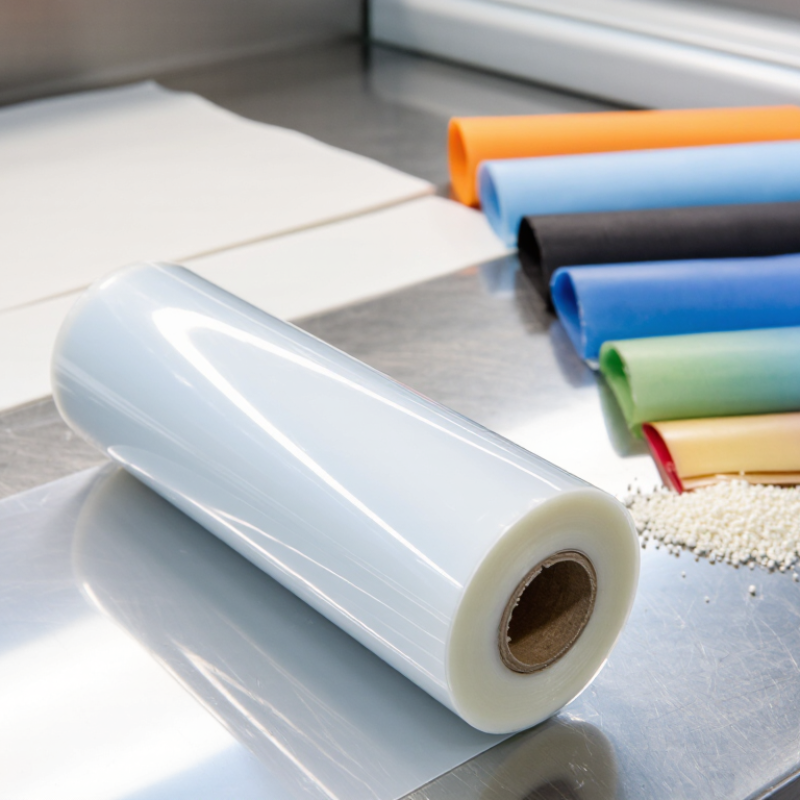
Instant-peel DTF film is a transfer film designed for immediate removal after heat pressing. The printed image receives hot-melt adhesive powder on its ink layer. During pressing, heat melts the powder and bonds the design to the fabric. After opening the press, the film can be peeled while still warm. Cold-peel film needs cooling first.
This process saves handling time, but it is not foolproof. In production trials, temperature, pressure, dwell time, and fabric moisture affect the release. Too much heat may create shine or distortion. Too little heat can weaken adhesion. Grand View Research estimated the broader digital textile printing market at about US$2.6 billion in 2023, with a projected 19.1% CAGR from 2024 to 2030. That growth increases demand for efficient transfer materials, but market growth does not guarantee consistent film quality. Supplier evaluation still requires real fabric testing.
Tips: Request technical data for release temperature, powder compatibility, storage humidity, and recommended pressing settings. Test cotton, polyester, blends, and textured fabrics separately. Check wash durability after 24 hours. I also suggest testing small batches first. A “fast” peel can still fail when the film is peeled too early. The best supplier should provide traceable specifications, sample rolls, and stable batch performance.ಿನ್ನೆ
What makes the best China instant-peel DTF film supplier?
The answer is not simply a low quotation. A dependable supplier controls coating consistency, release performance, and print stability across every production batch.
Grand View Research valued the global DTF printing market at about USD 2.56 billion in 2023. Its forecast indicates a compound annual growth rate near 10.3% from 2024 to 2030. This expansion increases the need for measurable film quality.
Reliable suppliers should provide PET thickness data, coating specifications, and batch inspection records. A film around 75 microns may feel stable, but thickness alone proves little. Uneven coating can create pinholes, blurred edges, or incomplete powder adhesion.
Instant-peel performance needs practical testing.
A supplier should test white ink coverage, powder bonding, peeling temperature, and wash durability. Ask for results from repeated transfers, not one successful sample.
In production trials, inspect small letters, skin-tone gradients, and dense black areas. These details expose weak release layers quickly. The film should peel smoothly while the garment remains warm, without lifting fine artwork.
Transparency also matters. Request a certificate of analysis, retained samples, and a clear replacement process.
An ISO-based quality system can support reliability, but certification cannot replace factory evidence. I have seen attractive sample sheets fail after humidity changes. That is easy to overlook.
A stronger supplier tests storage conditions, records defects, and discusses limitations honestly before shipment.
Comparing China instant peel DTF film manufacturers requires more than checking price lists. Ask for technical data, coating details, and recent production samples. The film should peel smoothly after pressing, without lifting fine letters or leaving excessive powder. Test it on cotton, polyester, and blended fabric. Different textiles can expose hidden weaknesses.
Request a sample roll from each manufacturer. Record curing temperature, pressing time, pressure, and peeling results. A reliable supplier should explain these settings clearly. Check film thickness, surface uniformity, winding quality, and package protection. Small wrinkles often become large printing problems. Review quality records, batch controls, and available factory certifications. Direct answers matter.
Communication also reveals manufacturing discipline. Can the supplier respond with accurate specifications? Can it trace a defective batch? Ask how coating changes are approved and how operators inspect finished rolls. Some factories offer attractive samples but inconsistent bulk production. That gap deserves attention. I once gave too much weight to a low quotation, which made later testing more expensive. A better comparison includes delivery stability, replacement procedures, and technical support. Do not rely on one successful print. Test several batches under identical conditions. Consistency is the real measure.
Choosing the best China instant-peel DTF film supplier requires more than comparing roll prices. Grand View Research estimated the global DTF printing market at USD 2.56 billion in 2023, with an expected 11.2% annual growth through 2030. That expansion increases supplier options, but also raises quality risks. Buyers should request ISO 9001 certification, batch-specific certificates of analysis, and clear production traceability. ISO 14001 can also indicate structured environmental management.
Check product documentation carefully. For film, ask whether REACH and RoHS declarations apply to the product and destination market. If the film contacts printed garments, request testing for restricted substances and adhesive safety. OEKO-TEX-related evidence may support textile applications, but it should match the exact film, coating, and production batch. A certificate alone is not enough. Verify its scope, validity, issuing body, and product reference.
Useful services reveal practical experience. A dependable supplier should provide sample rolls, peel-temperature guidance, storage instructions, and documented tests for washing, stretching, and ink adhesion. Ask for results using your powder, ink, printer, and curing settings. Performance can change noticeably between machines. The supplier should also offer batch retention samples, replacement procedures, and technical support within one business day. Some testing data may look impressive but lack washing cycles or fabric details. That is a warning. Before placing a large order, test several rolls from different batches under real production conditions.
This illustrative checklist shows the recommended number of evidence items to verify in each area. Buyers should request relevant certificates, test reports, technical specifications, traceability records, samples, and after-sales support details before placing an order. The chart is a checklist guide, not a supplier ranking.
What Is the Best China Instant Peel DTF Film Supplier?
Choosing the best supplier requires more than comparing prices. Instant peel film should release smoothly while the transfer is still warm, without lifting fine lettering or leaving adhesive residue. Ask for samples from different production batches. Test them with your own printer, ink, powder, fabric, and curing temperature. A film that works well in a showroom may fail during a busy production shift.
Check the supplier’s technical records carefully. Request coating weight, thickness tolerance, recommended peel temperature, storage humidity, and batch traceability. Reliable suppliers should provide inspection reports and explain their quality-control process. FESPA’s 2023 Print Census reported that 72% of printing businesses consider sustainability a priority, so evaluate packaging, material waste, and production efficiency too. Lower waste can matter more than a small unit-price discount.
Run practical tests before signing a long-term agreement. Measure peeling speed, edge sharpness, color transfer, stretch recovery, and wash durability. Use ISO 6330 washing procedures where possible. Keep written results, including failures. That part is often ignored. Smithers’ digital textile printing research indicates continued double-digit market growth, increasing pressure on suppliers to deliver stable quality and short lead times. Confirm monthly capacity, replacement policies, response times, and shipping protection. A supplier with excellent samples but weak communication is still a risk.
Arsun Engineers is the well-known manufacturer, exporter, and supplier of highly operational machines.