What Are the Benefits of Using Nylon Gear for Industrial Applications?
Nylon Gear has gained popularity in industrial applications due to its unique properties. According to a report by Grand View Research, the global nylon market size was valued at $31.2 billion in 2022, with significant growth expected. Nylon gear offers advantages such as high tensile strength and resistance to wear, which are crucial in demanding environments.
Moreover, nylon gear's lightweight nature contributes to energy efficiency. This aspect is supported by data from the American Society of Mechanical Engineers, which indicates that lighter gear systems can reduce operational costs significantly. However, challenges exist. Nylon is susceptible to absorbing moisture, which can affect its performance over time. This potential drawback should be carefully considered in applications involving high humidity.
Despite its limitations, the benefits of nylon gear in reducing noise and vibration are noteworthy. Many industries, including automotive and aerospace, increasingly rely on these gears for quieter operations. Nylon gear represents a balance between performance and reliability. Its growing use reflects a shift toward more innovative materials in industrial settings. As industries evolve, understanding the comprehensive impact of nylon gear is essential for informed decision-making.
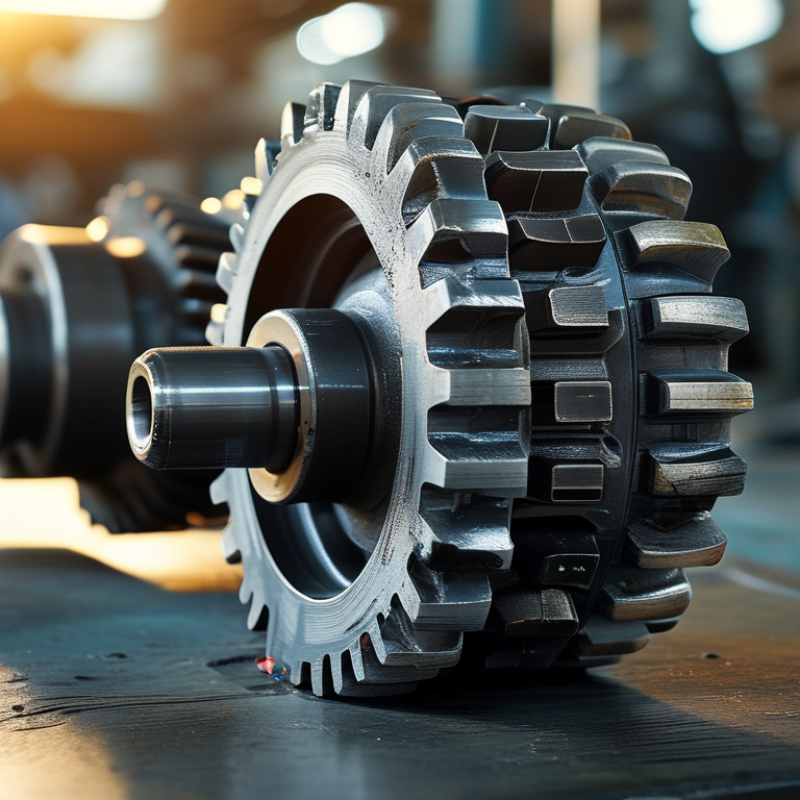
Benefits of Nylon Gear in Industrial Settings
Nylon gears are increasingly favored in industrial settings. Their lightweight nature reduces energy consumption significantly. According to industry reports, replacing metal gears with nylon can lead to a 30% reduction in energy costs. This is particularly beneficial in high-demand applications, where every bit of efficiency counts.
The strength-to-weight ratio of nylon provides an excellent balance between durability and performance. While some may worry about wear and tear, studies show that nylon gears can withstand considerable loads. They also resist corrosion, ensuring longevity in harsh environments. However, it's essential to monitor their performance regularly. Heat buildup can degrade material properties, posing challenges in certain applications.
Another critical aspect is noise reduction. Nylon gears operate more quietly than their metal counterparts, which is vital in industries where noise pollution is a concern. This can lead to more pleasant working conditions. However, not all nylon formulations are equal. Understanding specific requirements may require expert consultation. Overall, nylon gears present a solid choice for many industrial applications, but they are not without considerations.
Durability and Strength of Nylon Material
Nylon gear is increasingly popular in industrial applications due to its exceptional durability and strength. This material offers superior abrasion resistance, making it ideal for high-wear environments. Unlike metal gears, nylon can absorb shock without breaking, reducing the risk of equipment failure. Its lightweight nature enhances operational efficiency, saving energy during machinery operation.
Moreover, nylon’s resistance to corrosion is noteworthy. It performs well in environments that involve moisture or chemicals. However, it is essential to consider that nylon may not handle extreme temperatures as effectively as some metals. Each application should undergo a careful evaluation to determine the suitable use of nylon.
While nylon gears can provide long-lasting performance, periodic inspections are necessary. Over time, wear can still occur, leading to efficiency loss. A proactive maintenance strategy is crucial to ensure optimal performance. In addition, the impact of environmental factors should not be overlooked, as they can affect nylon's longevity.
Cost-Effectiveness of Nylon Gears Compared to Metal
Cost-effectiveness is a key reason for choosing nylon gears over metal alternatives in industrial applications. Nylon gears are often less expensive to produce. This reduction in cost can translate to significant savings for companies. Additionally, nylon is lightweight, decreasing shipping costs and energy use during operation.
Nylon gears also require less maintenance. They do not corrode like metal, leading to longer life spans. This durability further enhances their cost-effectiveness. However, it is important to consider their load-bearing capacity. In some high-load situations, metal gears might still hold an advantage.
Tips: When selecting gears, evaluate the specific application requirements. Testing nylon gears in real-world conditions can reveal potential weaknesses. Regular assessments of gear performance ensure optimal operation and cost management. Always consider the trade-offs between cost, durability, and load performance for the best results.
Cost-Effectiveness of Nylon Gears Compared to Metal
Low Friction Properties of Nylon for Enhanced Efficiency
Nylon gear is becoming increasingly favored in various industrial applications due to its low friction properties. According to a 2022 industry report, nylon gears can reduce friction by up to 50% compared to traditional metal gears. This reduction in friction leads to improved efficiency, less wear, and longer service life, making nylon an attractive option for manufacturers looking to cut costs and increase productivity.
The low friction characteristic of nylon also contributes to quieter operation. Many industries experience noise issues from gear systems, impacting work environments. By using nylon, companies can respond with a solution that minimizes distractions and enhances worker comfort. Beyond the comfort, lower friction means reduced energy consumption during operations, which can lead to significant cost savings over time.
Tip: Regular maintenance is essential even with low-friction materials. Inspect nylon gears for signs of wear. Moreover, consider the operating environment's temperature and humidity, as they can affect nylon's performance. Relying solely on low-friction properties without a comprehensive maintenance plan may lead to unexpected failures. Another tip: assess the load-bearing capacity of nylon. As strong as it is, nylon can be susceptible to stress overload.
Resistance to Corrosion and Chemical Damage in Harsh Environments
Nylon gears are increasingly favored in industrial settings. They excel in resisting corrosion and chemical damage. This makes them ideal for harsh environments, like manufacturing plants. Many industries face challenges from moisture, acids, and other corrosive substances. Traditional metal gears often fail under these conditions. They can rust or degrade quickly, increasing maintenance costs.
Nylon, on the other hand, offers superior chemical resistance. It doesn't corrode like metal, which extends its lifespan. This durability allows for longer equipment operation periods. Maintenance can happen less frequently, which is a cost-saving advantage. However, nylon gears do have limitations. For instance, they may not handle heavy loads as well as steel gears. This creates a need for careful application assessment.
Choosing nylon for gear applications requires thoughtful consideration. While they perform well in many scenarios, it's essential to evaluate specific needs. Sometimes, a combination of materials may be necessary. This reflection can lead to better solutions and improved efficiency in operations. Balancing durability and functionality remains crucial in achieving optimal performance.
What Are the Benefits of Using Nylon Gear for Industrial Applications?
| Property | Benefit | Application Areas |
| Corrosion Resistance | Protects against degradation in humid or chemical-heavy environments. | Marine, chemical processing, wastewater treatment. |
| Chemical Resistance | Withstands exposure to various acids and chemicals without damage. | Laboratories, pharmaceuticals, food processing. |
| Lightweight | Reduces overall equipment weight, contributing to increased efficiency. | Automotive, robotics, conveyor systems. |
| Low Friction | Minimizes wear on gears and extends their lifespan. | Industrial machinery, textile machines, packaging equipment. |
| Durability | Resists impacts and abrasions, maintaining performance under stress. | Construction, mining, and heavy machinery. |
