Top 10 Benefits of Manufacturing Automation for Global Buyers?
Manufacturing automation is transforming industries worldwide. According to a report by MarketsandMarkets, the manufacturing automation market is projected to reach $395 billion by 2025, growing at a CAGR of 9.2%. This growth signals a shift towards efficiency and cost savings for global buyers.
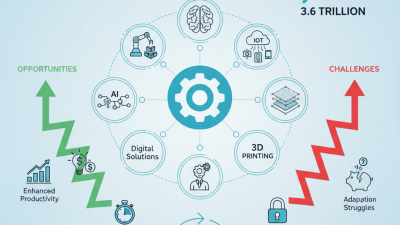
Companies embracing automation report improved operational efficiency. A study by McKinsey highlights that automation can increase productivity by up to 25%. It allows businesses to respond quickly to market changes and consumer demands. However, not all manufacturers successfully integrate these technologies. The challenge lies in workforce adaptation and skill development.
Investing in manufacturing automation can lead to significant benefits, such as reduced labor costs and higher quality outputs. Yet, companies must reflect on the associated challenges, such as initial investment costs and employee resistance. As the industry evolves, embracing automation is no longer a choice but a necessity for staying competitive.
Key Advantages of Manufacturing Automation for International Buyers
Manufacturing automation offers international buyers significant advantages. A 2022 report by McKinsey & Company highlights that 60% of companies saw production costs decrease through automation. This reduction makes it easier for global buyers to access competitive pricing. Furthermore, automation can enhance production speed. Research indicates that automated lines can operate up to 24 hours a day, leading to higher output.
It's not just about cost and speed. Quality control improves with automated systems. According to a study by the Boston Consulting Group, errors decline by 90% in automated processes compared to manual ones. This increased precision ensures that international buyers receive consistent products. Smaller manufacturers can also benefit. Adopting automation technology allows them to compete with larger firms, leveling the playing field.
Tip: Consider investing in training. Automation tools often require new skill sets. Ensuring your team is up-to-date with latest technologies can maximize benefits.
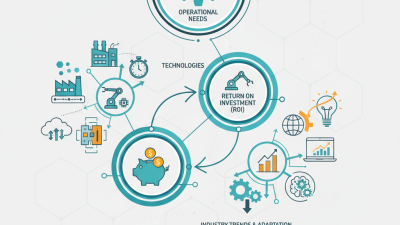
Challenges do exist. Initial investment costs for automation can be high. However, these expenses should be viewed as long-term savings. It’s critical for buyers to analyze their specific needs and capacities. This helps in making informed decisions about automation adoption.
Tip: Start small. Test automation in specific areas before a full-scale rollout. This can help identify potential pitfalls without overwhelming your resources.
Enhancing Production Efficiency Through Automated Processes
Manufacturing automation plays a crucial role in enhancing production efficiency. According to a report from McKinsey, automating processes can increase productivity by up to 30%. This shift is evident in many industries, where companies adopt technology to streamline operations.
Automated systems reduce human error, leading to more consistent output. A study by the International Federation of Robotics (IFR) states that automation can improve quality by 50%. However, implementation can be complex. Businesses must invest in training and infrastructure. While automation appears beneficial, issues like job displacement can raise ethical concerns.
Moreover, companies need to fine-tune their automated processes continually. Proper maintenance and upgrades are essential for long-term efficiency. Data from the Boston Consulting Group suggests that 85% of companies encounter challenges in their automation journey. Such statistics prompt a closer examination of not just technology, but also workforce dynamics. Balancing automation with human roles invites thoughtful solutions that benefit all stakeholders.
Cost Reduction Strategies via Automation in Manufacturing
Manufacturing automation provides significant cost reduction strategies. According to a Deloitte study, companies can reduce operational costs by up to 30% through automation. This reduction stems from improved efficiency and minimized human error. With precise robotic operations, manufacturers can streamline production processes and reduce waste significantly.
Automation not only cuts labor costs but also accelerates production times. A report from the McKinsey Global Institute reveals that automation can speed up production by as much as 50%. This increase directly impacts the bottom line, allowing businesses to reinvest savings elsewhere. However, integrating automation poses challenges. Some companies struggle with the initial investment and transition period, which can be costly and complex.
Moreover, while automation drives efficiency, it may lead to job displacement in certain sectors. The World Economic Forum estimates that automation could displace 75 million jobs globally by 2025. It is crucial for buyers to consider these aspects and prepare for workforce changes. Balancing automation with social responsibility remains a challenge in the manufacturing landscape.
Improving Product Quality with Advanced Manufacturing Technologies
Manufacturing automation has transformed industries around the globe. Advanced technologies play a crucial role in enhancing product quality. For instance, according to a recent report by McKinsey, companies that adopt automation can reduce defect rates by up to 50%. This improvement stems from precision and consistency in automated processes, minimizing human error in production.
Moreover, data from the International Federation of Robotics suggests that implementing robotics in the production line can increase output quality significantly. With robotics, manufacturers can achieve complex tasks with greater accuracy. These technologies allow tight tolerances that manual methods struggle to achieve. However, the transition to automation is not without its hurdles. Some companies face challenges in workforce adaptation and technology integration.
In the pursuit of quality, companies must reflect on the balance between automation and human oversight. While machines excel in precision, human intuition is invaluable. Skilled workers can identify potential issues that may slip past automated systems. The integration of both elements is essential for optimal quality control, leading to continuous improvement and ultimately superior products.
Global Competitive Edge: How Automation Benefits Buyers Worldwide
Manufacturing automation has become a crucial differentiator for global buyers. According to a report by McKinsey, companies that adopt automation can boost productivity by up to 30%. This efficiency translates directly into cost savings, enhancing the competitive edge for companies around the world. For instance, automation reduces labor costs and minimizes human error, allowing businesses to allocate resources more strategically.
Moreover, automation enhances supply chain flexibility. A study by Deloitte highlights that 79% of organizations cite increased agility as a top benefit of automation. Buyers can respond to market changes promptly, ensuring they meet customer demands more effectively. This adaptability is vital in a fast-paced global market. However, it is essential to note that the initial investment in automation can be daunting. Companies must weigh these costs against potential long-term benefits.
In terms of scalability, automation allows businesses to scale operations without a linear increase in costs. A report from PwC demonstrates that over 70% of manufacturers are actively investing in robotic technologies. Yet, the challenge remains in skill gaps. Implementing automation requires employees who understand these technologies. Investing in workforce training is crucial to fully realize automation's potential. Balancing innovation with human expertise can create sustainable advantages in a competitive landscape.