What Are the Benefits of Advanced Manufacturing for Global Buyers?
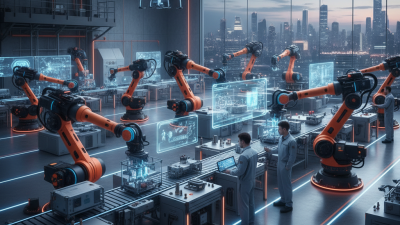
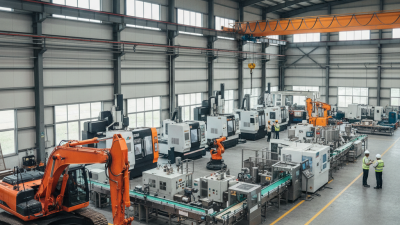
Advanced manufacturing has reshaped the landscape for global buyers. This transformative approach to production combines innovative technologies with skilled craftsmanship. The result is a more efficient and effective manufacturing process.
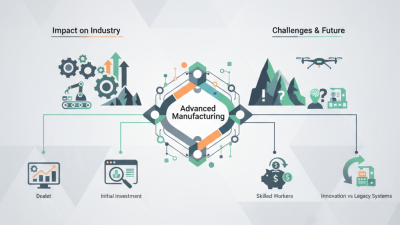
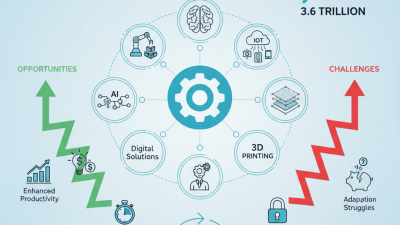
Global buyers increasingly seek the benefits of advanced manufacturing. They are attracted to its ability to reduce costs while improving quality. Automation and smart technologies lead to faster turnaround times. Buyers also appreciate the flexibility to customize products. However, challenges remain. Transitioning to advanced manufacturing can be costly and complex. Some businesses struggle with the integration of new technologies.
The advantages of advanced manufacturing are profound yet nuanced. It promises high precision and consistency, but requires a skilled workforce. Trusting the process is essential. Understanding risks and rewards can guide buyers in making informed choices. Embracing advanced manufacturing may hold the key to staying competitive in a rapidly evolving market.
Benefits of Advanced Manufacturing in Cost Reduction for Global Buyers
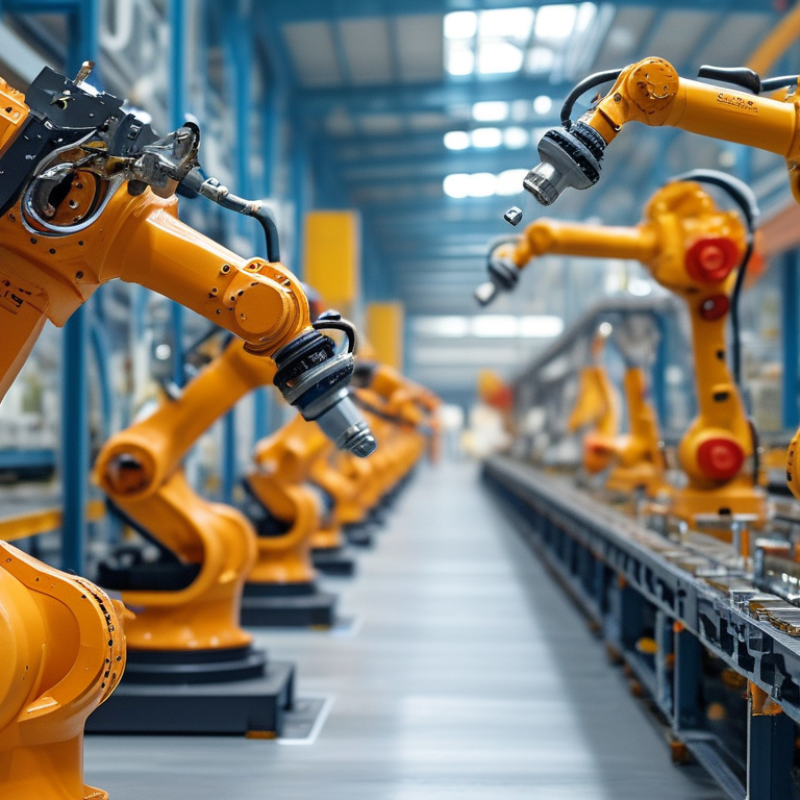
Advanced manufacturing offers significant cost reduction opportunities for global buyers. According to a report by Deloitte, companies can reduce manufacturing costs by up to 30% through automation and advanced technologies. Automation minimizes human error and boosts production speed. This efficiency translates directly into lower unit costs and increased profitability.
Embracing 3D printing technology can also lead to substantial savings. Traditional manufacturing often requires extensive material waste. However, additive manufacturing uses only the necessary materials, reducing waste by as much as 90%. Moreover, a study from the Boston Consulting Group shows that advanced manufacturing can increase production flexibility, enabling companies to respond swiftly to market changes without incurring high overhead costs.
While the benefits are clear, there are challenges. Not all companies are equipped to transition to advanced manufacturing. Training workers and upgrading equipment can incur initial costs. A McKinsey report highlights that these upfront investments often yield long-term savings. Global buyers must weigh these factors to fully understand the impact of advanced manufacturing on their bottom line.
Enhancing Product Quality through Advanced Manufacturing Technologies
Advanced manufacturing technologies are transforming how products are made worldwide. This evolution significantly enhances product quality. For many global buyers, superior quality is a non-negotiable requirement. Automated systems and precision tools minimize human error. These technologies ensure that products meet exact specifications.
Quality control measures become more proactive in advanced manufacturing. Real-time monitoring helps detect issues early. This minimizes defects and guarantees consistent outcomes. However, integrating these technologies is not without challenges. Companies may face high upfront costs and require skilled personnel.
Reflection on these aspects is essential. While advanced manufacturing can elevate quality, companies must weigh the benefits against investment risks. Moreover, adaptation is an ongoing process. Many businesses are still navigating these changes. Continuous improvement is vital for maintaining competitive advantage in a rapidly evolving market.
The Role of Advanced Manufacturing in Supply Chain Efficiency
Advanced manufacturing plays a crucial role in enhancing supply chain efficiency for global buyers. By leveraging innovative technologies, businesses can optimize production processes. This leads to reduced lead times, lower costs, and improved product quality. The integration of automation, artificial intelligence, and the Internet of Things paves the way for smoother logistics and inventory management.
Investing in advanced manufacturing can significantly reduce waste. For example, real-time data analysis allows for better forecasting and demand planning. This helps in aligning production schedules with market needs. However, it is essential to regularly assess the effectiveness of these technologies. Not every approach will be suitable for every industry, and adaptability is key.
Streamlining communication throughout the supply chain is another benefit. Advanced systems facilitate better collaboration between manufacturers and suppliers. This can enhance transparency and trust. Nonetheless, relying heavily on technology may also create vulnerabilities. Regularly reviewing the flaws and challenges in your technological framework is vital. Mitigating risks can prevent disruptions in the supply chain.
Customization and Flexibility: How Advanced Manufacturing Meets Buyer Needs
Advanced manufacturing has revolutionized the way global buyers approach their sourcing needs. Customization is a key driver. Recent studies indicate that 70% of consumers prefer personalized products. Advanced manufacturing techniques allow for tailored solutions that meet specific buyer requirements.
Flexibility is another significant benefit. With technologies like additive manufacturing and automation, production can be adjusted with ease. Reports show that businesses can respond to changes in demand 50% faster than traditional manufacturing methods. This agility empowers buyers to adapt quickly to market shifts, ensuring they always meet customer expectations.
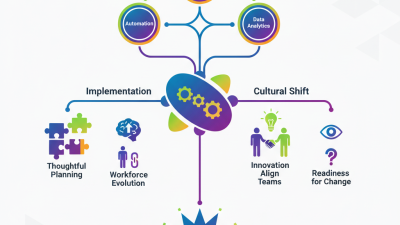
However, the transition to advanced manufacturing isn't without challenges. Initial investment costs can be high, and not all manufacturers are equipped to implement these technologies effectively. It's crucial for buyers to evaluate the capabilities of their suppliers. Ensuring they can deliver on customization and flexibility promises requires thorough assessments and ongoing collaboration. This reflection can lead to stronger partnerships that ultimately benefit both buyers and manufacturers.
Benefits of Advanced Manufacturing for Global Buyers
This chart illustrates the key benefits of advanced manufacturing for global buyers, highlighting the importance of customization, flexibility, cost efficiency, speed to market, and quality improvement. Each benefit is represented by a percentage, indicating its significance in the buyer's decision-making process.
Sustainability Advantages of Advanced Manufacturing for Eco-Conscious Buyers
Advanced manufacturing offers significant sustainability advantages for eco-conscious global buyers. According to a report from the World Economic Forum, advanced manufacturing techniques can reduce production waste by up to 30%. This reduction directly impacts the environment by lowering landfill contributions. It also streamlines resource use, a critical aspect in the fight against climate change.
Incorporating technologies such as 3D printing and automation allows companies to create more efficient supply chains. Data from McKinsey indicates that businesses adopting advanced manufacturing see a potential decrease of 25% in energy consumption. This significant energy saving is vital for companies aiming to meet sustainable development goals. However, challenges remain. The initial investment in advanced technologies can be high, and the shift in existing processes may not always yield immediate returns.
Moreover, transparency in sustainable efforts is becoming essential. The UN Global Compact emphasizes that 70% of consumers want brands to demonstrate environmental responsibility. Companies must be willing to navigate these complexities and showcase their commitment to sustainability. While advanced manufacturing opens doors, a careful review of practices is crucial to avoid greenwashing and to build genuine trust with buyers.
What Are the Benefits of Advanced Manufacturing for Global Buyers? - Sustainability Advantages of Advanced Manufacturing for Eco-Conscious Buyers
| Benefit |
Description |
Impact on Sustainability |
Example Application |
| Resource Efficiency |
Utilization of advanced technologies to minimize waste and resource consumption. |
Reduces raw material usage and lowers emissions. |
3D printing for customized parts with minimal waste. |
| Reduced Energy Consumption |
Processes optimized to consume less energy and improve efficiency. |
Lower overall carbon footprint and stricter compliance with energy regulations. |
Smart factories using IoT technology to monitor and optimize energy use. |
| Sustainable Materials |
Incorporation of recycled or bio-based materials into manufacturing processes. |
Lowers dependency on virgin resources and helps reduce plastic waste. |
Manufacturing packaging solutions from recycled materials. |
| Supply Chain Transparency |
Advanced tracking and reporting systems ensure ethical sourcing and production. |
Enhances customer trust and encourages sustainable practices across the supply chain. |
Blockchain technology for verifying the origin of materials. |
| Product Lifecycle Management |
Efficient management of a product’s entire lifecycle enhances recyclability. |
Facilitates circular economy practices and reduces waste at end-of-life. |
Designing for disassembly in electronics manufacturing. |