
What is an Air Muffler Silencer and How Does It Work?

An Air Muffler Silencer plays a vital role in controlling noise. It is used in various vehicles and machinery. These devices reduce the sound produced by engines, making them more pleasant to the environment.

The Air Muffler Silencer uses internal chambers to absorb sound waves. As gases flow through, they encounter obstacles that disrupt the noise. While this mechanism is effective, it is not without flaws. Some mufflers may limit engine performance. This is a point of debate among car enthusiasts and engineers alike.

Understanding how an Air Muffler Silencer works helps in making informed choices. It’s essential to balance noise reduction and efficiency. A poorly chosen silencer may lead to performance issues. By looking closer at this technology, we can appreciate its complexities and consequences.
What is an Air Muffler Silencer and How Does It Work?

What is an Air Muffler Silencer?

An air muffler silencer is a device designed to reduce noise produced by air compressors and pneumatic tools. It plays a crucial role in various industries, from construction to manufacturing. By minimizing sound emissions, these silencers enhance the working environment for employees.

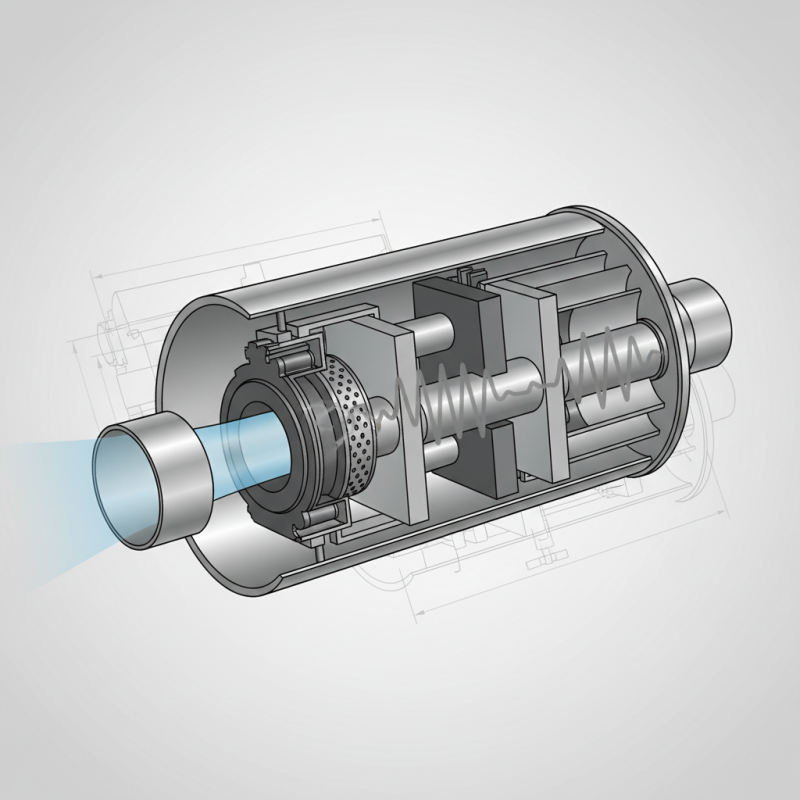
The main function of an air muffler silencer is to absorb and dissipate sound waves. It typically consists of a porous material and baffles that interrupt sound waves. This design allows it to convert sound energy into other forms of energy, such as heat. In many cases, the effectiveness of a silencer can vary based on its design and installation.

It's worth noting that not all air mufflers achieve the desired noise reduction. Sometimes, the materials used may not be optimal. Additionally, incorrect installation can lead to inefficiencies. Regular checks and maintenance are necessary to ensure they operate effectively. In this way, understanding a muffler’s function is vital for maximizing its benefits.

The Components of an Air Muffler Silencer

An air muffler silencer is vital for controlling noise in various applications. It dampens sound generated by air flow in systems like pneumatic tools and compressors. Understanding its components helps us appreciate its role better.

The core components include the inlet and outlet ports, the sound-absorbing material, and the casing. The inlet port allows air to enter, while the outlet enables controlled release. The sound-absorbing material, often made from fiberglass or foam, reduces noise levels by dissipating sound waves. According to a recent industry report, effective silencers can reduce decibel levels by as much as 20 dB. This reduction is significant in urban settings, where noise pollution is a growing concern.

However, not all designs are perfect. Some mufflers may restrict air flow too much, reducing efficiency. Additionally, improperly installed units can lead to increased noise levels. A study showed that 15% of installations did not meet performance expectations. Thus, understanding the components and their proper installation is crucial for achieving optimal results.

The Working Principle of an Air Muffler Silencer

Air muffler silencers play a crucial role in noise reduction within various systems, especially in industrial settings. They function by dissipating sound waves created by air pressure changes. As compressed air flows through a muffler, it encounters a series of baffles. These baffles disrupt sound waves, converting them into less harmful energy. According to a report by the Environmental Protection Agency, over 75% of industrial noise originates from equipment like compressors. This highlights the importance of effective muffler systems.

The working principle behind an air muffler silencer involves complex interactions with sound frequencies. As air moves through the muffler, it expands and contracts, leading to a drop in sound intensity. This attenuation process can reduce noise levels by up to 30 dB, making it significantly more tolerable. Various studies indicate that workplaces with proper noise management systems see a 40% increase in productivity. However, achieving optimal performance requires precise calculations of airflow and sound frequency. Oversizing or undersizing a muffler can lead to inefficiencies or inadequate noise reduction.

In practice, users often overlook maintenance. Regular checks ensure that the baffle structure remains intact. A damaged or clogged muffler can actually amplify noise levels rather than reduce them. Reports suggest that 20% of facilities neglect these aspects. Simple maintenance practices can greatly enhance the effectiveness of an air muffler silencer. Therefore, attention to detail in both design and upkeep is essential for maximizing noise control benefits.

Types of Air Muffler Silencers and Their Applications

Air muffler silencers are essential components in various industries. They help to reduce noise emissions from air-powered machinery. There are several types of air muffler silencers, each suited for specific applications.

One common type is the inline muffler. This design is often used in pneumatic systems. According to a report by the Noise Control Foundation, using inline mufflers can reduce decibel levels by up to 30 dB. This reduction helps to protect worker hearing and improve comfort in the workplace.

Another type is the end-of-line silencer, which attaches directly to machinery exhausts. This style is effective for systems that generate high-pressure exhaust gases.

Different applications require tailored solutions. In construction, for instance, mufflers play a crucial role. They mitigate noise from air compressors and pneumatic tools, which can exceed 100 dB without proper silencing.

However, not all installations achieve expected results. Some setups require regular assessments to ensure optimal performance. Proper installation and maintenance are crucial for longevity and effectiveness. Balancing noise control with performance remains an ongoing challenge within the industry.

Benefits of Using an Air Muffler Silencer in Various Industries

An air muffler silencer significantly reduces noise pollution in various industries. It works by using sound-absorbing materials to dampen engine noises or air emissions. In construction sites, these devices help keep the environment quieter, improving worker comfort. That's important for productivity.

In the automotive industry, air mufflers are essential for both performance and sound control. They ensure that exhaust systems operate smoothly while minimizing harmful emissions. This balance of efficiency and quiet operation is vital for meeting environmental regulations. However, some may overlook proper installation, leading to suboptimal performance.

Manufacturers in the food processing sector also benefit. They require low noise levels to maintain a pleasant working atmosphere. Poor noise control can impact employee morale and disrupt communication. Investing in an air muffler silencer can enhance workplace conditions. Yet, not all businesses prioritize this aspect. As industries grow, finding ways to integrate silent operations should be a goal.

Air Muffler Silencer Benefits Across Various Industries

Scroll to Top