What is Advanced Manufacturing and How Does it Impact Industry?
Advanced manufacturing is reshaping our industrial landscape. This term encompasses innovative production techniques that leverage cutting-edge technology. Experts believe it drives efficiency and enhances product quality. According to Dr. Emily Chen, a leader in the field, "Advanced manufacturing is not just about technology; it’s about transforming how we create."
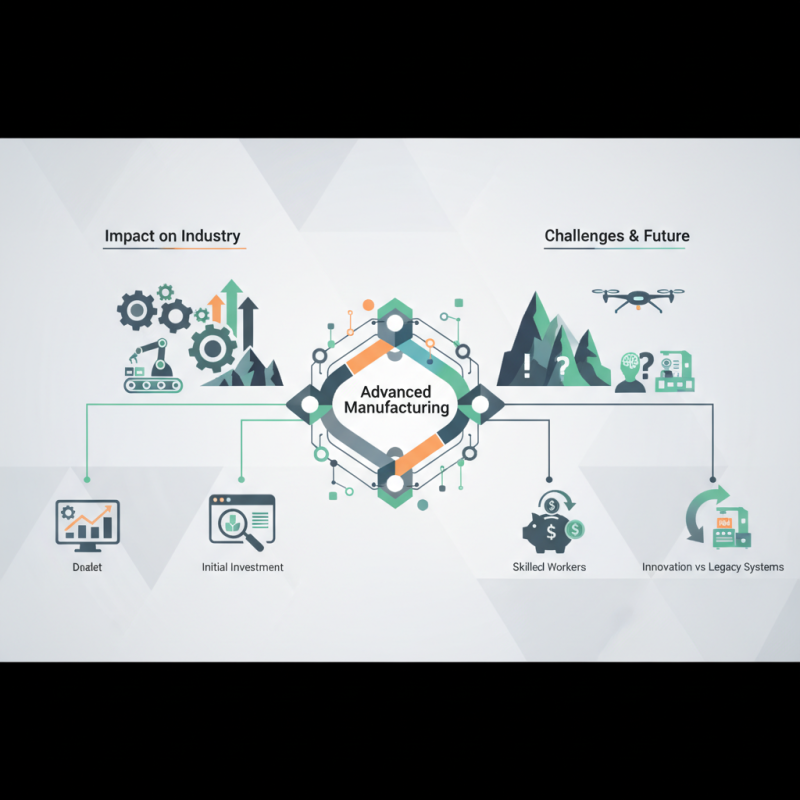
As industries adopt advanced manufacturing, changes become apparent. Companies streamline processes and increase output. They also face challenges, such as the need for skilled workers and high initial investment costs. This new era of manufacturing demands constant adaptation and improvement.
However, not all organizations transition smoothly. Some grapple with integrating new technologies into their existing frameworks. This creates a gap between those who excel and those who lag behind. Reflection on these challenges is crucial for future success in advanced manufacturing. The industry must find a balance between innovation and practicality to thrive in this competitive environment.
Definition and Key Components of Advanced Manufacturing
Advanced manufacturing combines cutting-edge technology with traditional production techniques. It encompasses a range of processes, including robotics, artificial intelligence, and additive manufacturing. According to a report by the National Institute of Standards and Technology, advanced manufacturing can boost productivity by up to 30%. This is significant for industries seeking to remain competitive.
Key components of advanced manufacturing include automation and data analytics. Automation streamlines production, reducing human error. Data analytics helps companies make informed decisions, predicting maintenance needs and optimizing supply chains. A McKinsey report suggests that companies can save 20-30% on operational costs by integrating these technologies.
However, the transition to advanced manufacturing is not without its challenges. Many companies struggle to adopt new technologies due to high upfront costs. Skills gaps in the workforce also hinder progress, as workers need training to operate advanced machines. These issues require thoughtful strategies to address, as the benefits of advanced manufacturing can be substantial yet elusive for some industries.
Technological Innovations Driving Advanced Manufacturing Trends
Advanced manufacturing is reshaping industries through technological innovations. These innovations include automation, artificial intelligence, and robotics. They enhance production efficiency and accuracy. Companies are adopting advanced technologies at a rapid pace. However, not all businesses keep up.
One significant trend is the integration of IoT devices. These devices collect data from machines in real-time. This data helps in predictive maintenance and reduces downtime. But, many companies struggle to analyze this data effectively.
**Tips:** Embrace change gradually. Invest in training your workforce to adapt to new technologies. Focus on small projects to test innovations before scaling up. Staying informed about trends is crucial for success. Always ask yourself how you can improve. Advanced manufacturing offers great potential, but it requires ongoing effort and reflection.
Impact of Advanced Manufacturing on Efficiency and Productivity Metrics
Advanced manufacturing techniques significantly enhance efficiency and productivity metrics across various industries. According to a report from the National Institute of Standards and Technology, companies that adopt advanced manufacturing practices can achieve productivity increases of up to 30%. Automation and robotics play a pivotal role in this transformation. Automated processes minimize human error, speed up production, and lower labor costs.
However, not all organizations see instant success. Transitioning to advanced manufacturing can require substantial investments in technology and training. A 2022 study published by the Manufacturing Institute revealed that 50% of manufacturers reported challenges in integrating new technologies effectively. This indicates a pressing need for better implementation strategies. Companies must address gaps in employee skill sets to maximize the potential of advanced technology.
Additionally, the impact on efficiency is nuanced. While many report improved outputs, some firms struggle to maintain consistent quality. Quality control measures often lag behind production capabilities, leading to waste and inefficiencies. A survey indicated that 40% of businesses experienced quality issues after upgrading to advanced processes. It’s clear that while advanced manufacturing holds promise, organizations must navigate obstacles to realize true efficiency and productivity gains.
What is Advanced Manufacturing and How Does it Impact Industry? - Impact of Advanced Manufacturing on Efficiency and Productivity Metrics
| Metric |
Traditional Manufacturing |
Advanced Manufacturing |
Improvement (%) |
| Production Speed |
60 units/hour |
90 units/hour |
50% |
| Material Waste |
15% |
5% |
67% |
| Overall Equipment Efficiency (OEE) |
70% |
85% |
21.4% |
| Product Quality Rate |
90% |
98% |
8.9% |
| Time to Market |
12 months |
6 months |
50% |
Economic Contributions of Advanced Manufacturing to Industry Growth
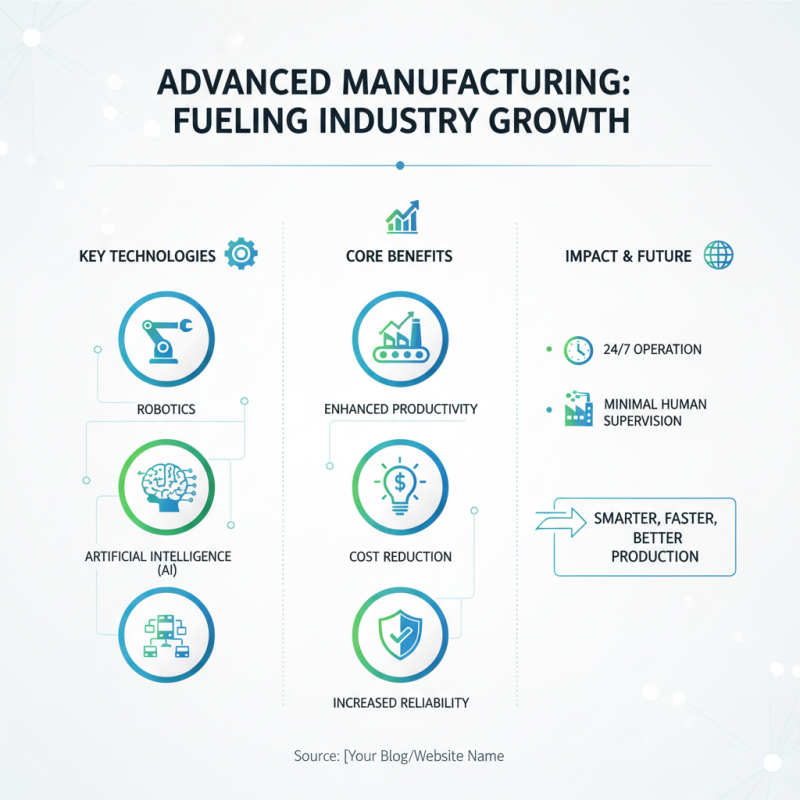
Advanced manufacturing plays a significant role in driving industry growth. It combines cutting-edge technologies like robotics, AI, and the Internet of Things. This convergence enables companies to enhance productivity and efficiency. For instance, factories can now operate 24/7 with minimal human supervision. Automation helps reduce costs and errors, making production more reliable.
However, advanced manufacturing is not without challenges. As companies adopt these technologies, they face skills gaps in their workforce. Many workers require retraining to operate sophisticated machinery. Moreover, the initial investment for advanced manufacturing technologies can be substantial. Not every company can afford the transition, leading to uneven growth within industries.
Despite these obstacles, the economic contributions are evident. Industries that embrace advanced manufacturing often experience increased outputs. They see a rise in exports and job creation. This growth can stimulate local economies and drive innovation. Yet, continuous adaptation and learning are necessary to maintain this momentum. Balancing technology with human skills remains a critical concern for future sustainability.
Future Outlook: Sustainability and Workforce Development in Advanced Manufacturing
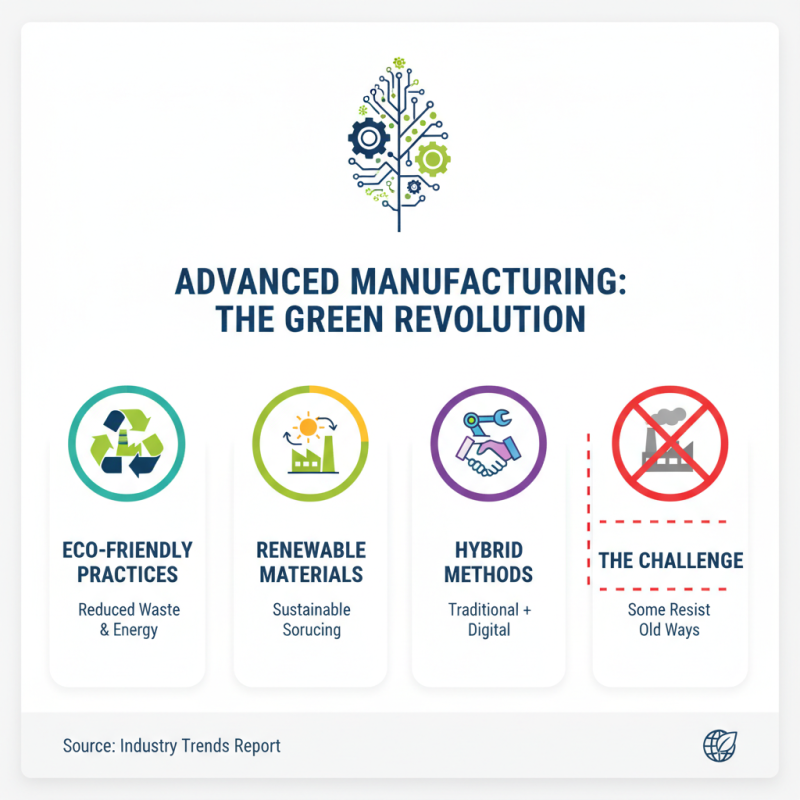
Sustainability is a key focus in advanced manufacturing. Companies are increasingly investing in eco-friendly practices. This shift often reduces waste and conserves energy. The use of renewable materials is becoming more common. Hybrid manufacturing methods, which combine traditional and digital processes, are on the rise. However, not all companies are on board. Some still cling to old practices.
Workforce development plays a crucial role in this transformation. Training programs are essential for equipping workers with new skills. Many jobs are evolving or disappearing altogether. This change creates a pressing need for continuous education. Companies and employees must adapt to new technologies efficiently. Yet, challenges remain. Many workers feel unprepared or resistant to change.
The path forward requires collaboration. Stakeholders must communicate effectively. Companies, educators, and workers need to build bridges. Dialogue can inspire innovative solutions. A sustainable future in advanced manufacturing hinges on this. However, it won't happen overnight. There will be setbacks and learning curves along the way. All parties should reflect on their roles in this journey.