2026 Best Bath Waste Push Button Types for Buyers
A Bath Waste Push Button may look simple, yet its mechanism affects use, cleaning, and compatibility. Push-button wastes open and close the drain through linked components, but designs differ in operation, finish, and installation needs. The most expensive option is not always the best fit. Fit matters.
This guide compares common 2026 options, including click-clack, cable-operated, and systems with integrated overflow controls. It explores how each type works, what parts may need access, and which measurements to check before ordering. A polished chrome cap may suit a bright bathroom, while a matte finish can show water marks or fingerprints differently. Small details count. Product listings sometimes use similar terms for different mechanisms. Confirm the waste diameter, overflow arrangement, and manufacturer’s fitting notes instead of relying on a product photo alone. If the instructions leave compatibility uncertain, ask a qualified bathroom professional to check the specifications.
No single button type suits every bath or household. User needs, cleaning habits, access to the mechanism, and existing plumbing all shape the choice. Durability can also be difficult to judge from a short listing; that uncertainty deserves attention. This overview sets out practical trade-offs to help buyers compare options and make careful checks before purchasing.
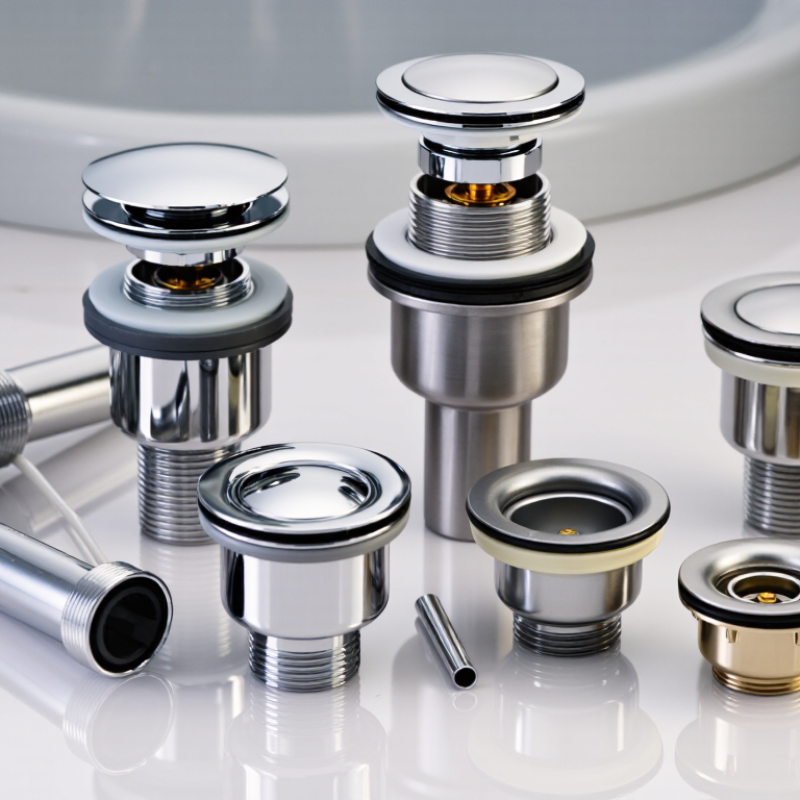
Bath Waste Push Buttons in 2026: EN 274 and 1½-Inch Outlet Basics
2026 Best Bath Waste Push Button Types for Buyers
Bath waste push buttons commonly use a click-clack mechanism or a cable-operated waste. Both can suit a modern bath, but the connection beneath the tub matters more than the button’s finish. The EN 274 series covers sanitary-appliance waste fittings; EN 274-1 sets requirements, while EN 274-2 describes test methods. These standards offer buyers a useful performance reference, not a substitute for checking a specific fitting’s dimensions.
A 1½-inch outlet equals 38.1 mm by unit conversion. However, this is a nominal size, not a promise that every thread measures 38.1 mm across. Thread form, waste depth, overflow connection, and trap compatibility still need checking. A push button may look right and still fail to seal against an incompatible waste. That detail is easy to miss.
Tips: Measure the existing outlet and note whether the bath has an overflow before ordering. Compare the product drawing with the actual waste and trap, and ask for EN 274 test information where available. A small weakness in many buying guides is treating “1½ inch” as a complete fit specification. It isn’t.
Fit and Compatibility: 40 mm (DN 40) Drains, Overflow, and Bath Depth
A push-button bath waste may look simple, but fit starts below the shiny cap. DN 40 usually refers to a nominal 40 mm drain connection; it does not guarantee every trap or threaded fitting will mate correctly. Check the waste outlet, trap inlet, and supplied seals against the actual parts. A small mismatch can cause a slow leak or awkward installation. Measure twice.
Overflow compatibility matters just as much. The overflow opening must suit the bath’s hole size and wall thickness, while the control cable must reach the waste without a tight bend. Measure the distance between the overflow and drain, then compare it with the kit’s cable range. Bath depth and shape can change that route, even when two tubs appear similar. Small details matter. I would not rely on a product listing alone; its dimensions may omit the cable’s usable range. Before final fitting, check that the button opens and closes the plug smoothly, and that water drains without escaping around either seal. A dry test can miss a problem, so test again with water.
Material and Finish Checks: ISO 9227 Salt-Spray Test Evidence
2026 Best Bath Waste Push Button Types for Buyers
A push-button bath waste may look polished on day one, but the finish faces damp air, cleaning products, and wet fingers. Check the body and button materials separately; a coated plastic cap over a metal mechanism can age differently from an all-metal assembly. Ask for the coating type, substrate, and batch-specific test report. ISO 9227:2022 describes salt-spray test methods, including neutral salt spray. It does not set one universal pass duration for every bathroom fitting. The report should identify the method, exposure time, sample preparation, and visible corrosion rating. That detail matters. A test result is not a guaranteed service-life claim.
Tips: Compare like with like. Request photographs of tested parts, including edges, threaded areas, and any cut or masked surfaces. Confirm the stated test duration and acceptance criteria in writing. The NACE IMPACT study estimated global corrosion costs at US$2.5 trillion annually, about 3.4% of global GDP; this broad industry estimate is useful context, not a prediction for one bath waste. Salt spray is accelerated testing, not a perfect bathroom simulation. I would still want clear evidence for the exact finish being purchased. A vague “passed salt test” statement is weak evidence.
Buyer Selection: Compare Seal Access, Replacement Parts, and Warranty Terms
For 2026, compare push-button bath wastes by how easily you can reach the seal, not just by finish or button style. Some designs let you unscrew the cap and lift out the cartridge; others require access beneath the tub. Check the product drawing before buying. A small opening can turn a simple seal change into a difficult repair. EPA Fix a Leak Week guidance estimates that household leaks waste nearly 10,000 gallons of water per year on average. A faulty waste seal may be only one possible source, but easy inspection matters.
Look for replacement seals, springs, and cartridges listed by part number, with clear instructions for ordering them. Confirm whether the parts are standard-sized or specific to that waste assembly. Warranty wording deserves the same attention: check coverage length, which components are included, and whether seals are treated as wear parts. Keep the receipt and installation details. It is easy to overlook those until a drip appears.
Tips: Before purchase, ask the seller for a parts diagram and written warranty terms. Check that the button can be removed from above, if top access is important. Compare the stated replacement-part availability, too. A polished finish is appealing, but it cannot fix a seal you cannot source.
