2026 Best Automation Machine Types for Global Buyers
Choosing the right automation machine in 2026 requires more than comparing prices and production speed. Global buyers must examine accuracy, energy use, safety systems, software compatibility, and after-sales support. A machine that performs well in one factory may struggle with another product, climate, or workforce skill level.
This guide reviews practical automation machine types for manufacturers, distributors, and engineering teams worldwide. It considers robotic cells, CNC systems, packaging equipment, vision inspection machines, assembly lines, and flexible production platforms. Real purchasing decisions often depend on details: a three-shift schedule, limited floor space, unstable internet, or spare parts delayed at customs. These factors matter.
Experience shows that the cheapest machine is rarely the lowest-cost choice. Buyers should request factory acceptance tests, sample runs, maintenance records, and clear training plans. Trusted suppliers should explain cycle times, failure rates, warranty limits, and software updates without hiding difficult information. Independent certifications and documented risk assessments also deserve close attention.
No shortlist is perfect. Some performance claims still require verification in your facility. A polished demonstration may not represent dusty floors, changing materials, or rushed operators. This article offers a practical framework for comparing automation machine categories, identifying suitable applications, and avoiding expensive assumptions. The final decision should combine technical evidence, supplier credibility, workforce readiness, and long-term operating value. Reliability is built before installation, not after the first breakdown.
What Automation Machines Are and How They Support Modern Industry
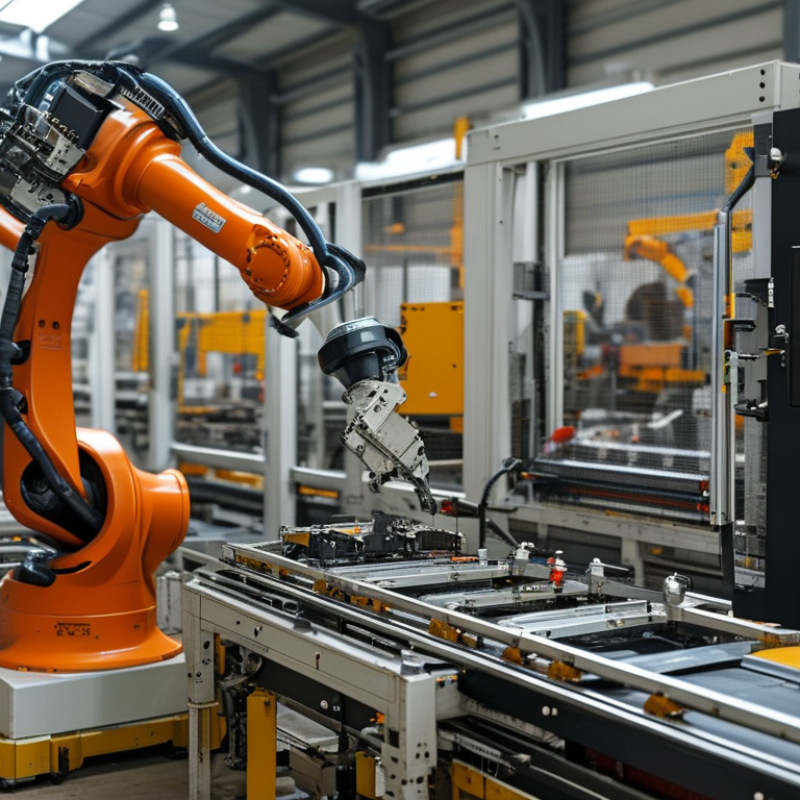
Automation machines are equipment designed to perform repeated industrial tasks with limited manual control. They combine mechanical systems, sensors, software, and safety controls. Common examples include robotic arms, CNC equipment, packaging machines, inspection units, and automated conveyors.
In a working factory, these machines can load parts, tighten components, measure dimensions, or sort finished goods. A vision inspection unit may detect a small surface mark under controlled lighting. A conveyor system can move heavy cartons between production stations. Programmable controls adjust speed, timing, and production sequences. This improves consistency and helps workers avoid repetitive or physically demanding tasks.
Automation also supports modern industry by collecting useful process data. Managers can track downtime, output, temperature, and error rates. Global buyers should examine maintenance access, operator training, spare parts, and electrical compatibility. A machine that performs well in a demonstration may still struggle in a dusty workshop. Not magic. Poor sensor placement, unclear software settings, or weak safety planning can reduce real productivity. In my experience, the best equipment fits the process rather than simply offering the highest speed. Buyers should request trial results, safety documents, and realistic production samples before making a decision. A slower machine with stable operation may create more value than a faster machine requiring frequent adjustment.
How to Classify Automation Machines by Function and Production Needs
For global buyers, automation machines should be classified by function before comparing specifications. Handling machines move parts between stations. Assembly machines join components. Inspection systems detect defects. Packaging machines fill, seal, label, or palletize products. Process equipment performs cutting, forming, welding, dosing, or surface treatment. Warehouse automation manages storage and internal movement. Each type needs different evidence, including cycle time, accuracy, changeover speed, and maintenance access.
Production needs define the better choice. High-volume lines usually require dedicated equipment with stable tooling and short takt times. Flexible plants may prefer modular machines that support frequent product changes. The International Federation of Robotics reported 541,302 industrial robot installations worldwide in 2023. This figure shows strong demand, but it does not prove that robots suit every process. A manual loading step, poor material flow, or inconsistent parts can weaken an expensive system.
Buyer assessments should examine product variation, daily output, labor availability, floor space, utilities, and local service capability. Deloitte’s 2024 Smart Manufacturing and Operations Survey found that 92% of surveyed leaders viewed smart manufacturing as important for competitiveness. Data connectivity matters, but basic sensors and clear alarms may outperform complex software in smaller factories. A machine can look impressive. It can still be the wrong machine. Trial production, sample testing, and a written acceptance plan expose hidden problems before installation.
2026 Best Automation Machine Types for Global Buyers
How to classify automation machines by function and production needs. The chart compares
indicative throughput ranges for widely used machine categories in packaging, assembly,
inspection, machining, and material handling.
Indicative engineering ranges are shown in units or operations per minute. Actual output depends
on product size, process complexity, changeover time, machine configuration, and quality-control requirements.
Pick-and-place and vision systems generally suit high-speed repetitive production, while CNC tending,
case packing, and palletizing are often selected for heavier or more complex handling tasks.
How to Evaluate Performance, Costs, Safety, and Integration
Choosing an automation machine in 2026 starts with the task, not the sales brochure.
A packaging line may promise 120 cycles per minute, yet real output falls when products vary in size. Ask for a witnessed test using your materials. Measure good units per hour, changeover time, reject rate, and recovery after a stoppage. Keep test conditions documented. Small details matter.
Calculate total cost over seven years, not only purchase price.
Include tooling, energy, software licenses, spare parts, training, and planned maintenance. Compare cost per good unit under normal and peak workloads. A cheaper machine can become expensive after frequent manual adjustments. Payback estimates deserve skepticism; they often assume perfect uptime. Use conservative figures and record every assumption. Global buyers should also check shipping, installation, local voltage, taxes, and service response times.
Safety evaluation should cover guarding, emergency stops, access control, noise, and maintenance procedures.
Ask who verifies the risk assessment and how operators are trained. Integration needs equal attention. Check communication protocols, data ownership, network security, and compatibility with existing controls. Run a small pilot before full deployment. It may expose delays that specifications hide. Inspect the interface during a night shift, when support is limited. Operators may reveal practical risks that engineers miss. Their feedback should change the purchase decision.
How to Select, Purchase, Install, and Maintain Automation Equipment
Selecting an automation machine begins with the process, not the catalog. Record cycle time, product dimensions, material variation, operator tasks, and expected output. Add local voltage, air quality, floor loading, climate, and safety requirements. An experienced integrator should verify these conditions during a site survey. Measure twice.
Ask suppliers for a documented specification, risk assessment, factory acceptance test, and installation plan. Purchase decisions should compare total ownership cost, not only the quoted price. Include tooling, training, software access, spare parts, shipping, customs documents, and response times. Request sample runs using your actual materials. Small differences can expose large problems.
During installation, reserve space for maintenance and safe access around guarded areas. Confirm utility connections before arrival, then check alignment, sensors, emergency stops, and software permissions. Commissioning should use written acceptance criteria and measured results. Keep records. Maintenance works best when daily cleaning, weekly inspection, and scheduled replacement are visible to operators. Train more than one person; staff changes can quietly damage reliability. Remote support is useful, but it cannot replace local troubleshooting skills. I would also challenge my own plan: the fastest cycle is not always the safest or most profitable. Budget for downtime. Review performance after ninety days, because early assumptions often need correction.