Choosing among the best CNC machines in 2026 requires more than comparing prices, spindle speeds, or glossy specifications. A machine may look impressive on a showroom floor yet struggle with tight tolerances, difficult materials, or an overworked operator. This guide examines real production needs, including work envelope, control systems, tooling, automation, maintenance, and after-sales support. It also considers whether each machine fits a prototype shop, a growing manufacturer, or a high-volume factory.
Gene Haas, founder of Haas Automation, once described his goal simply: “I wanted to build a better, more affordable machine tool.” That idea remains useful today. Value is not limited to the purchase price. It includes repeatability, setup time, energy use, training demands, and the cost of unexpected downtime. Small details matter. A rigid frame can reduce vibration. A clear control interface can prevent costly programming mistakes. Reliable chip evacuation can keep production moving.
There is no universal winner. Not even close. A five-axis machining center may be excessive for simple aluminum brackets. A compact three-axis mill may become frustrating when complex surfaces dominate the workload. This ranking therefore treats “best” as a practical judgment, not a permanent fact. Our comparisons use engineering logic, user experience, manufacturer data, and visible weaknesses. Some conclusions may change as new controls, automation packages, and hybrid systems enter the market. That uncertainty deserves attention, because the smartest purchase is not always the most advanced CNC machine.
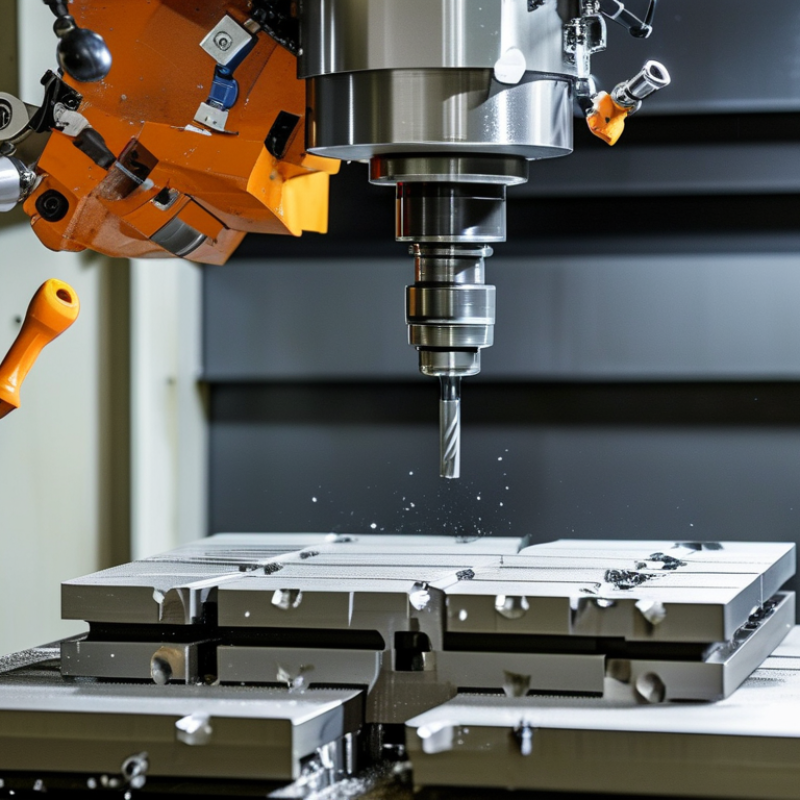
In 2026, a high-quality CNC machine is defined by controlled performance, not a glossy specification sheet. Rigidity matters first. A stiff frame resists vibration when cutting aluminum, hardwood, or steel. That resistance leaves cleaner walls and protects fragile tooling. Accuracy describes how closely the tool reaches a programmed position. Repeatability shows whether it returns there after hundreds of cycles. These are different measurements. Serious buyers should request test reports, not rely on marketing claims.
Thermal stability has become equally important. Motors, ballscrews, and spindles warm during long production runs, gradually shifting dimensions. Reliable machines monitor heat or provide compensation. A capable controller should recover from interruptions, display useful alarms, and make offsets easy to verify. I also look for sealed guides, accessible lubrication points, and a spindle rated for the materials being cut. Small design choices matter. Poor maintenance access can turn a precise machine into an expensive guess.
Hands-on testing still reveals more than a brochure. I would run a pocketing test, measure circular interpolation, and inspect the surface under consistent lighting. Operators should set work coordinates without confusion. Safety interlocks and clear guarding are essential. Service documentation, parts availability, and responsive technical support strengthen long-term reliability. No CNC machine is perfect. Poor fixturing, blunt tools, or rushed calibration can reduce precision. I have learned to question impressive results from one sample cut. Repeat the test, record the conditions, and judge the machine by evidence.
What Are the 10 Best CNC Machines in 2026?
The best CNC machine depends less on prestige than on fit. Type determines motion, material limits, and achievable detail. A three-axis mill suits plates and brackets, while a five-axis center reaches angled cavities with fewer setups. Turning centers favor round stock. Routers handle sheet goods and softer composites. Fortune Business Insights valued the global CNC machine market at USD 83.99 billion in 2023. Its report forecasts USD 128.41 billion by 2030, showing continued investment across manufacturing sectors.
Size changes more than footprint. Work envelope, spindle power, table load, and tool capacity decide whether a machine survives daily production. Compact desktop units can excel in prototyping and education. Large gantry systems suit cabinet panels, aerospace skins, or long weldments. Bigger is not automatically better. Energy use, fixturing, calibration, and floor loading may erase the apparent advantage. The International Federation of Robotics reported 541,302 industrial robots installed worldwide in 2023, reflecting stronger demand for connected and repeatable production cells.
Application should shape any 2026 top-ten list. A medical-part workshop may prioritize accuracy, coolant control, and traceability. A job shop may need fast setup changes and broad material flexibility. Compare positioning accuracy, repeatability, software compatibility, maintenance access, and operator training. In practical evaluations, cycle time often matters more than headline speed. I would still question any ranking based only on specifications. Real cutting tests reveal vibration, chip evacuation, and awkward access points. Those details are easy to miss.
CNC machines differ by type, size, axis configuration, and application.
This comparison ranks common CNC machine types by their typical number of controlled axes. More axes generally enable more complex geometries and fewer manual setups, while simpler machines are often easier to operate and more cost-effective for standard cutting tasks. Actual configurations vary by machine size, tooling, and optional equipment.
What Are the 10 Best CNC Machines in 2026?
The 10 Best CNC Machines in 2026: A Feature-Based Comparison
The best CNC machine depends on material, workspace, accuracy, and production volume. A compact desktop router suits wood, plastic, and small aluminum parts. It saves space but sacrifices rigidity. A benchtop mill offers stronger cutting performance. Its smaller work envelope can limit larger projects. A three-axis vertical mill remains a dependable choice for general metalworking. It supports drilling, pocketing, facing, and contouring with familiar controls.
A four-axis mill adds rotary positioning for detailed parts and reduced setup time. A five-axis machine reaches angled surfaces with fewer fixtures. That advantage improves accuracy, but programming becomes harder. A CNC lathe excels at shafts, bushings, and threaded components. A turning center adds live tooling and milling functions. It handles complex production work, though maintenance costs may rise. A plasma table cuts sheet steel quickly. It creates heat-affected edges and needs careful ventilation. A waterjet cuts many materials without creating a heat-affected zone. Its pump and abrasive system require regular attention.
For stone, tile, and engineered surfaces, a CNC stone router provides controlled shaping and polishing. Feature comparisons should include spindle power, travel distance, repeatability, software compatibility, and service access. Safety enclosures matter too. I would rank machines by actual workflow, not impressive specifications alone. My early comparisons favored maximum power, but that judgment was incomplete. Operators often value easy calibration, clear diagnostics, and affordable tooling more. A machine that stays adjusted may outperform a faster machine sitting idle. Real performance still depends on setup, training, material, and honest maintenance records.
| Rank | Machine Configuration | Best Use | Typical Work Envelope | Axes | Cutting Tool or Process | Typical Accuracy | Suitable Materials | Automation Features | Typical Power | Overall Feature Rating |
|---|---|---|---|---|---|---|---|---|---|---|
| 1 | Enclosed 5-Axis Machining Center | Complex metal parts, aerospace components, medical parts, and precision prototypes | 500 × 400 × 400 mm | 5 simultaneous axes | 12,000–20,000 rpm spindle; automatic tool changer | ±0.005–0.015 mm | Aluminum, steel, stainless steel, titanium, engineering plastics | Tool probing, workpiece probing, coolant system, chip conveyor | 15–30 kW | ★★★★★ |
| 2 | ATC CNC Router | High-volume sheet processing, cabinetry, signage, furniture, and panel work | 1,300 × 2,500 × 200 mm | 3 or 4 axes | 6–12 kW high-frequency spindle; automatic tool changer | ±0.05–0.15 mm | Wood, MDF, plywood, plastics, aluminum, composite panels | Vacuum table, tool carousel, automatic material probing | 8–15 kW | ★★★★★ |
| 3 | CNC Turning Center with Live Tooling | Rotational parts requiring turning, drilling, milling, and off-center features | 250–400 mm swing; 400–750 mm turning length | 2–4 controlled axes | 8–12 inch chuck; 3,000–6,000 rpm spindle; live tools | ±0.005–0.020 mm | Steel, stainless steel, aluminum, brass, titanium, plastics | Bar feeder compatibility, parts catcher, tool-life monitoring | 11–22 kW | ★★★★★ |
| 4 | Industrial Fiber Laser Cutting Table | Fast profiling of sheet metal with minimal mechanical cutting force | 1,500 × 3,000 mm | 2 linear axes plus height control | 2–6 kW fiber laser source | ±0.03–0.10 mm | Mild steel, stainless steel, aluminum, brass, copper | Automatic nesting, capacitive height sensing, pallet changer | 20–45 kW connected load | ★★★★★ |
| 5 | Benchtop CNC Milling Machine | Education, repair work, small metal parts, and low-volume prototyping | 400 × 250 × 300 mm | 3 axes; optional 4th axis | 1–3 hp spindle; manual or compact automatic tool changing | ±0.025–0.075 mm | Aluminum, brass, mild steel, plastics, wax, wood | Digital readout, probing option, conversational control | 1–3 kW | ★★★★☆ |
| 6 | Heavy-Duty 3-Axis Vertical Machining Center | General-purpose metal production, mold work, and repeatable batch machining | 800 × 500 × 500 mm | 3 axes; optional 4th axis | 8,000–15,000 rpm spindle; 16–30 tool changer | ±0.005–0.020 mm | Aluminum, carbon steel, stainless steel, cast iron, plastics | Tool magazine, coolant filtration, probing, chip removal | 15–25 kW | ★★★★☆ |
| 7 | Desktop CNC Router | Small signs, hobby projects, enclosures, craft products, and light prototyping | 600 × 900 × 100 mm | 3 axes | 0.8–2.2 kW spindle or trim-router-style motor | ±0.10–0.30 mm | Wood, plywood, MDF, acrylic, plastics, soft aluminum | Touch probing, dust collection port, offline controller option | 1–3 kW | ★★★★☆ |
| 8 | CNC Plasma Cutting Table | Low-cost profiling of structural steel, brackets, artwork, and large sheet parts | 1,500 × 3,000 mm | 2 axes plus torch height control | 45–125 A plasma power source | ±0.15–0.50 mm | Mild steel, stainless steel, aluminum | Automatic torch height control, nesting software, water table option | 8–25 kW connected load | ★★★★☆ |
| 9 | CNC EDM Wire-Cutting Machine | Intricate profiles, hardened tool steel, dies, punches, and conductive precision parts | 350 × 250 × 120 mm | 4 or 5 controlled axes | Electrical-discharge cutting with fine wire electrode | ±0.002–0.010 mm | Hardened steel, carbide, conductive alloys, tool steel | Automatic wire threading, dielectric filtration, taper cutting | 5–15 kW | ★★★★☆ |
| 10 | CNC Stone and Glass Router | Countertops, tiles, monuments, architectural panels, and decorative surfaces | 1,300 × 2,500 × 250 mm | 3 or 4 axes | 5–15 kW water-cooled spindle with diamond tooling | ±0.10–0.30 mm | Granite, marble, quartz, ceramic, glass, engineered stone | Water circulation, automatic tool changing, vacuum workholding option | 10–25 kW | ★★★☆☆ |
| Specifications are representative industry ranges. Actual performance depends on machine construction, tooling, workholding, material, programming, maintenance, and operating conditions. | ||||||||||
When comparing the ten best CNC machines in 2026, precision should lead the evaluation. A reliable machine should hold tight tolerances across repeated cuts, not only during a short demonstration. Check spindle runout, axis backlash, and thermal stability. Measure a test part at several points. Small errors become obvious around holes, corners, and thin walls. A rigid frame also reduces vibration when cutting aluminum or hardwood.
Speed matters, but faster is not always better. Review rapid movement, acceleration, tool-change time, and chip removal. A balanced machine keeps production moving without sacrificing surface quality. Material compatibility deserves equal attention. Some machines handle plastics and wood well, while others provide the torque and cooling needed for steel, brass, or composite sheets. Cutting tests should use realistic thicknesses, feeds, and tooling.
Automation can improve consistency. Automatic tool measurement, probing, workholding, and fault alerts reduce repetitive setup work. However, automation cannot correct poor calibration. Operators still need training. In real workshops, software errors, worn tools, and unstable power can disrupt promising results. I would inspect maintenance records, controller usability, safety systems, and technical support before ranking any model. One overlooked weakness can outweigh impressive specifications. My own evaluation would also be repeated after extended use, because first impressions are often too generous.
What Are the 10 Best CNC Machines in 2026?
How to Choose the Right CNC Machine for Your Workshop
The best CNC machine is not always the fastest or most expensive. It should match your materials, part size, tolerances, and daily workload. A small workshop making aluminum brackets may need a compact three-axis mill. A furniture shop may benefit more from a large-format router. According to Grand View Research, the global CNC machine market is projected to grow steadily through 2030, driven by automation and precision manufacturing. That growth does not make every machine suitable for every operator.
Check the working envelope first. Leave room for clamps, tools, and safe access. Review spindle power, repeatability, controller usability, dust management, and service support. Industry surveys from Deloitte repeatedly identify workforce skills and maintenance as major manufacturing challenges. A complicated machine can become an expensive idle asset. I have seen buyers focus on cutting speed, then struggle with software setup and calibration. That choice deserves more thought. Also compare total ownership cost, including tooling, extraction, training, electricity, and planned maintenance.
Tips: Run a sample part before purchasing. Measure its smallest hole, sharpest corner, and longest cut. Ask for real tolerance results, not only brochure figures. Choose a machine that your team can operate confidently. Leave capacity for future work, but avoid paying for unused power. Review independent test reports, warranty terms, and local technician availability. A practical checklist can prevent an impressive machine from becoming workshop furniture.
Arsun Engineers is the well-known manufacturer, exporter, and supplier of highly operational machines.